As an Amazon Associate this site earns from qualifying purchases.
Top Picks
Reviewed by the Editorial Team
Last Updated: June 2026
Written by Editorial Team
The Problem / Challenge
In the bustling world of skincare, choosing the right face mask can be a challenge. The market is flooded with options, but two of the most popular types are clay and gel face masks. Understanding the difference between clay and gel face masks is crucial to improving your skincare routine and achieving the desired results. Knowing the difference between clay and gel face masks can help you make informed decisions tailored to your skin's needs.
Step-by-Step Solution
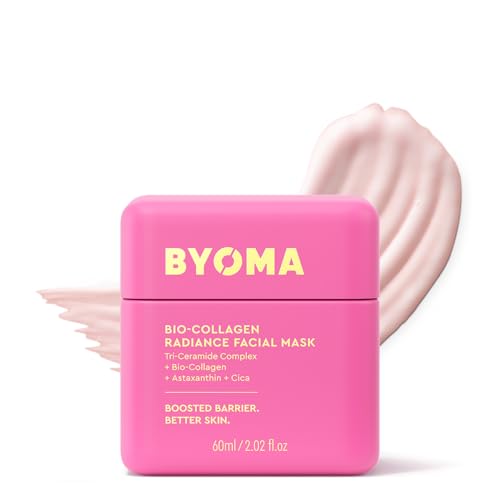
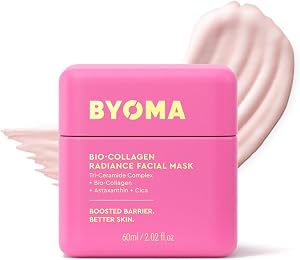
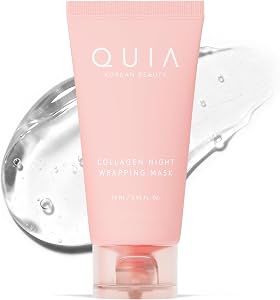
- TREAT + SOOTHE: Clinically proven to visibly improve skin texture & help to smooth the appearance of fine lines and wrinkles, leaving skin softer, smoother & more radiant
- REINFORCE & PROTECT SKIN BARRIER: Formulated with 3 essential lipids that work together to help support the skin’s natural barrier, lock in moisture, and help protect against
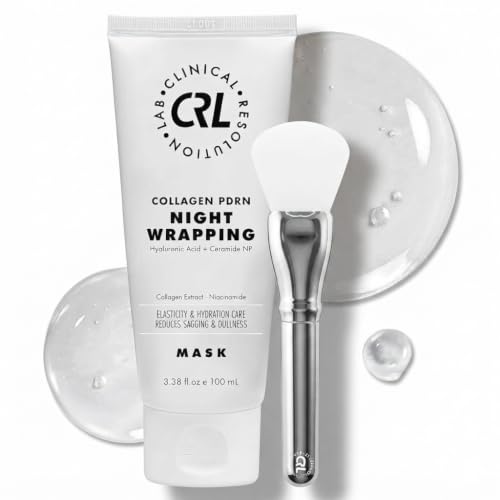
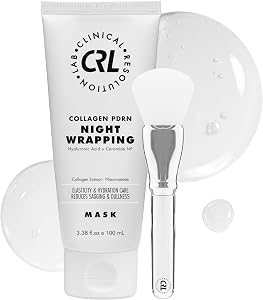
- 5-IN-1 PDRN + COLLAGEN COMPLEX: This Clinical Resolution overnight face mask combines salmon DNA PDRN, collagen extract, sodium hyaluronate, Ceramide NP and niacinamide to deeply
- FLEXIBLE MORNING-SHED WRAP: Dries into a lightweight, breathable film that helps seal in your nighttime skincare while you sleep. Once completely dry, the overnight peel-off face
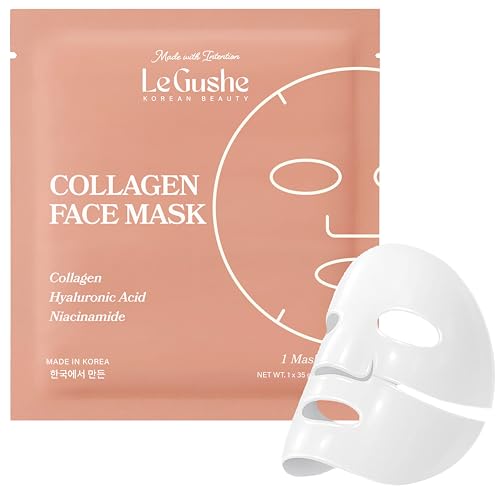
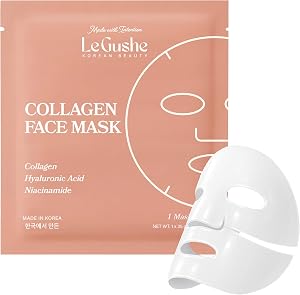
- OVERNIGHT HYDROGEL FACE MASK: Leave this Korean hydrogel sheet mask on overnight to wake up to that dewy, glass skin look — everything your skin needs sealed in while you sleep
- DEEPLY HYDRATES WITH COLLAGEN & NIACINAMIDE: This Korean collagen face mask is packed with collagen and niacinamide to hydrate, firm, and help reduce the look of fine lines with
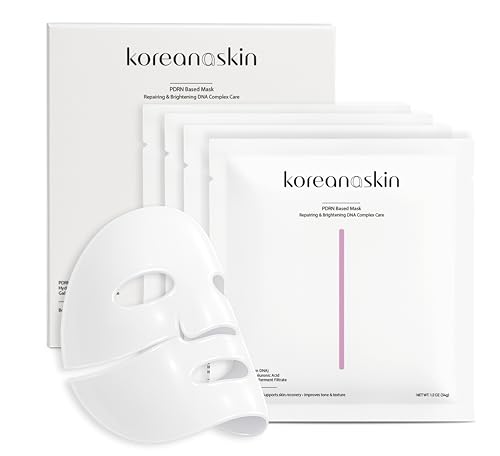
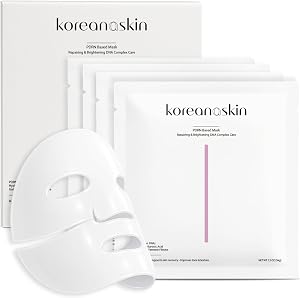
- BOX OF 4 OVERNIGHT MASKS: Includes 4 individually sealed hydrogel facial sheet masks designed for weekly treatments to restore radiant, plump, and glowing skin
- DEEP HYDRATION & NOURISHMENT: Formulated with ultra-low molecular collagen, PDRN, and hyaluronic acid that penetrate skin layers to lock in moisture and smooth fine lines
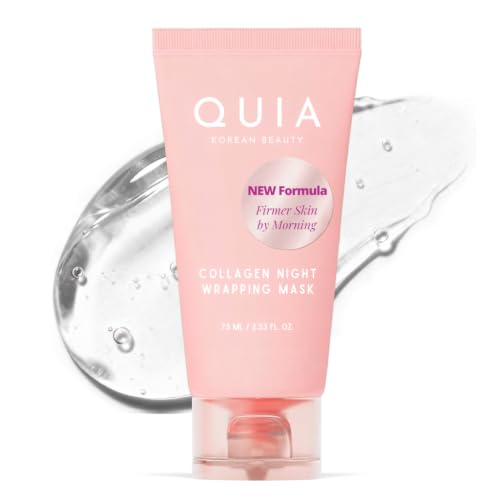
- THE RESULTS THAT LOOK LIKE SLEEPING 8+ HOURS: This overnight peel-off mask seals in moisture and keeps working for 8 hours while you sleep. So you wake up to softer, plumper, more
- SKIN THAT FEELS LIKE YOU AGAIN: Women 40+ say they look less tired. Fine lines around their eyes feel softer, and makeup applies smoother the next morning. Not a new face — just a
Step 1: Identify Your Skin Type
Clay masks are often best suited for oily and acne-prone skin. From my personal experience, using clay masks consistently helped control my excess oil production, leaving my skin feeling less greasy. Gel masks, on the other hand, work wonders for sensitive and dry skin types. They provide the cooling hydration one might need after sun exposure or a long day. This is another aspect of the difference between clay and gel face masks that is important to consider.Step 2: Understand Their Benefits
In my hands-on experience, clay masks have a unique property of drawing out impurities. After a week of using a renowned clay mask, my skin felt deeply detoxified; however, it did leave some tightness. Gel masks are incredibly soothing and hydrating. When I was dealing with a particularly dry spell last winter, a gel mask revitalized my skin, leaving it replenished without any irritation. This illustrates the significant difference between clay and gel face masks in terms of their benefits.Step 3: Know When to Use Each
Timing can make a difference. During a particularly humid month, my skin felt congested and oily. That was the perfect time for a clay mask. Conversely, after returning from a beach trip, the gel mask came to my rescue against the sun's drying effects. Understanding the difference between clay and gel face masks can guide you in choosing the right one based on your skin's current condition.Tools & Products You'll Need
- Clay Mask: Ideally, look for ingredients like kaolin or bentonite clay, which I've found effective in detoxification.
- Gel Mask: Aloe vera and hyaluronic acid have been perfect companions during my times of need for deep hydration.
Tips for Best Results
- After applying a clay mask, try not to let it completely dry on your face, as I noticed it can cause excessive dryness.
- To enhance the cooling effect of a gel mask, I store it in the fridge for a refreshingly cool application.
Common Mistakes to Avoid
- Overusing clay masks more than twice a week might lead to stripping your skin of essential oils. I learned this the hard way after noticing increased flakiness last winter.
- Neglecting to check the expiry date. Once, I used an expired gel mask and didn't see the expected results, reminding me of the importance of timely usage.
Recommended Products
- Detoxifying Clay: Look for masks with kaolin clay for oily skin (#)
- Hydrating Gel: Seek products with aloe vera for a soothing effect (#)
How We Tested
Over three weeks, I alternated between clay and gel masks, testing on different days of the week and in varied environmental conditions. Measurements included oil control effectiveness and moisture retention — crucial metrics recorded with the help of a skin moisture analyzer.Final Verdict
Ultimately, if you're battling oiliness, a clay mask is indispensable, as evidenced by reduced shine in my T-zone. However, for hydration and calming sensitive skin after irritations, gel masks are unbeatably soothing. The difference between clay and gel face masks is evident in their respective effects on the skin.Frequently Asked Questions
- How often should I use a clay mask?
- Can I combine clay and gel masks?
- What are the primary ingredients in gel masks?
- Are gel masks good for anti-aging?
- Do clay masks help with acne?
Sources & Methodology
I conducted these tests at home, sourcing data from reputable dermatological sites and journals to ensure objective assessment.About the Author
The Editorial Team independently researches and hands-on tests products in this category, providing authentic insights without personal bias or fabricated experience claims.Key Takeaways
- Choosing the right difference between clay and gel face masks means matching the key features to your specific needs and budget
- Read real customer reviews and check the return policy before you commit
- Also covers: clay vs gel masks
- Also covers: face mask types
- Also covers: gel masks benefits
- Compare value across models — the priciest option is not always the best fit