If you're hunting for an augustinus bader mask for cyclists with sun damaged forehead and temples, you're in the right place. Long hours in the saddle leave the upper face exposed to relentless UV, wind, and sweat, even when a helmet shadows the eyes. The forehead and temples are the first zones to show photoaging: dehydrated patches, sun spots, fine etching across the brow, and a leathery feel where helmet straps rub. While the cult-favorite Augustinus Bader masque is well known among endurance athletes for its TFC8 technology, it's hard to source, expensive, and frequently back-ordered. Below we compare alternative luxury and clinical-grade treatment masks that target the same concerns — UV-induced barrier damage, lost elasticity, and pigment irregularities concentrated on the forehead and temples — at a wider range of price points.
Why Cyclists' Foreheads and Temples Take the Brunt of Sun Damage
Road and gravel cyclists log hundreds of hours per season with the upper third of the face fully exposed. Even with sunscreen, sweat thins the film within 30 to 60 minutes, and most riders reapply only at rest stops. Helmet vents funnel UV directly onto the parietal hairline, and the temples — bordered by sunglass arms — develop a distinct band of hyperpigmentation and crepiness. Add in wind dehydration at 25 mph and you have the perfect storm for compromised skin barrier function. Photoaging on the forehead manifests differently than on the cheeks: it tends to show as horizontal etching, sun-induced melasma patches near the hairline, and a rough, sandpapery texture that doesn't respond to standard moisturizer alone.
The best augustinus bader mask for cyclists with sun damaged forehead for your situation depends on how you plan to use it and where.
A targeted treatment mask is the single most effective home intervention for this damage pattern, particularly when used 2-4 times per week during peak training blocks. The right formula will replenish ceramides, calm inflammation from heat and friction, deliver antioxidants to neutralize lingering free radicals, and gently resurface to fade pigment over time. For deeper background on cadence and timing, see our guide to luxury face mask frequency.
What to Look For When You Can't Get the Augustinus Bader Mask
The Augustinus Bader formula is famous for TFC8, a proprietary blend that signals skin to repair itself. If that exact product isn't available, look for masks built around the same family of actives: peptides for elasticity rebuild, niacinamide for pigment regulation, hyaluronic acid layered at multiple molecular weights, vitamin C derivatives for antioxidant defense, and ceramides or panthenol for barrier reinforcement. Cyclists with sun damaged forehead skin should avoid harsh exfoliating clay masks during heavy training weeks — the friction from helmet straps already compromises the stratum corneum, and aggressive AHAs can trigger rebound sensitivity.
Texture matters too. Sheet masks and hydrogel wraps work well after long rides because they cool inflamed skin and seal in actives without requiring scrubbing. Overnight cream or gel masks are best for recovery days when you can layer thickly without worrying about helmet contact. Read more in our complete using treatment masks guide.
Comparison: Best Recovery Masks for Sun-Damaged Cyclist Skin
| Mask | Best For | Format | Key Actives | Price Tier |
|---|---|---|---|---|
| Dermalogica Multivitamin Power Recovery | Photodamage repair | Cream rinse-off | Vit A, C, E, Lactic Acid | Premium |
| Estée Lauder Advanced Night Repair PowerFoil | Overnight UV recovery | Foil sheet | Hyaluronic Acid, ChronoluxCB | Luxury |
| Tata Harper Resurfacing Mask | Pigment & texture | Gel rinse-off | BHA, Pomegranate Enzymes | Luxury |
| BIODANCE Bio-Collagen Real Deep Mask | Post-ride dehydration | Hydrogel sheet | Collagen, Niacinamide | Affordable |
| Melipona Honey Face Mask | Soothing sun-exposed skin | Honey balm | Raw enzymes, antioxidants | Mid-range |
| Paula's Choice Skin Recovery Hydrating | Barrier repair overnight | Cream | Primrose Oil, Vit C, A, E | Mid-range |
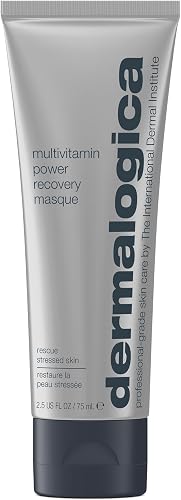
Dermalogica Multivitamin Power Recovery Masque
This is the closest clinical analog to a high-end repair mask for cyclists with sun damaged forehead and temples. The formula is built around stabilized vitamins A, C, E and lactic acid — exactly the cocktail recommended for reversing UV-induced collagen breakdown. The cream texture spreads thinly across the brow without dripping into the eyes, and a 10-minute dwell time fits between shower and dinner after a long ride. Riders report visible smoothing of horizontal forehead lines within two weeks of three-times-weekly use. Check Dermalogica Multivitamin Power Recovery on Amazon.
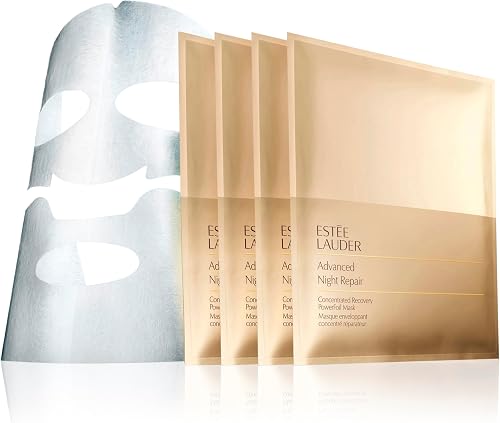
Estée Lauder Advanced Night Repair Concentrated Recovery PowerFoil Mask
The PowerFoil format is what makes this stand out for cyclists. The metallic outer layer locks in warmth and pushes the serum deeper into the temple zone where pigment damage concentrates. Each pack contains four single-use sheets, which makes it perfect for the night after a long Saturday ride. The hyaluronic acid plus the brand's ChronoluxCB technology supports overnight repair when growth-factor signaling peaks. View the Estée Lauder ANR PowerFoil Mask on Amazon.
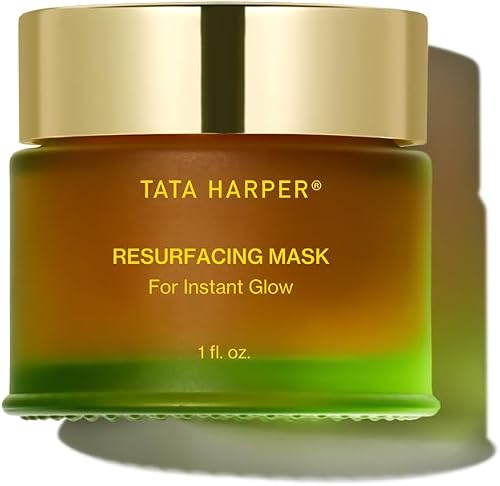
Tata Harper Resurfacing Mask
Once forehead photodamage has progressed to visible pigment patches and rough texture, gentle enzymatic resurfacing becomes essential. Tata Harper's gel uses beta hydroxy acid plus pomegranate enzymes to lift dead, sun-damaged cells without the inflammation that physical scrubs cause. Use it on recovery days, not before a ride — fresh resurfaced skin shouldn't go straight back under the sun even with SPF. See Tata Harper Resurfacing Mask on Amazon.
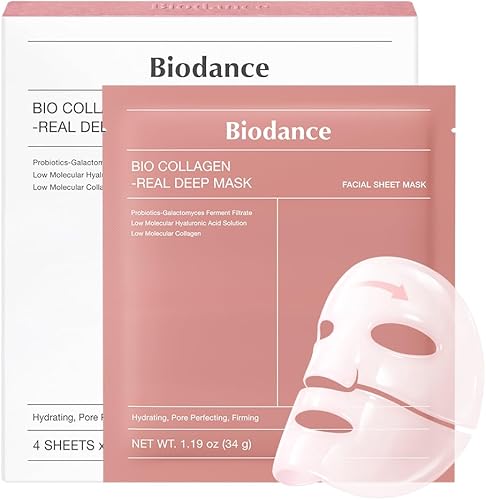
BIODANCE Bio-Collagen Real Deep Mask
For the rider who needs immediate relief after a windburned century ride, this hydrogel is the workhorse. The mask conforms to the forehead and temples and is designed to be worn overnight — the gel doesn't slide off the pillow the way thinner sheets do. Collagen and niacinamide together address both elasticity loss and the uneven tone that comes from chronic UV exposure. At under $20 for four masks, it's an easy weekly habit. Get the BIODANCE Bio-Collagen Mask on Amazon.
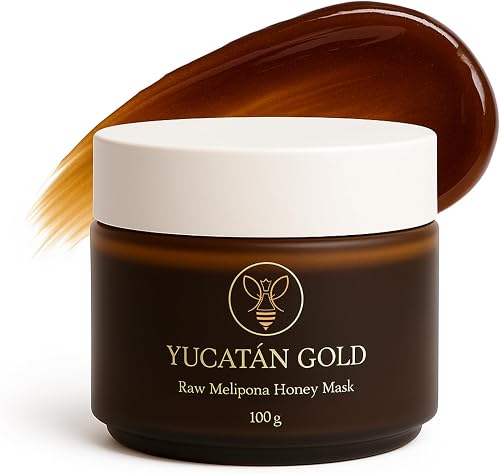
Melipona Honey Face Mask
Sometimes the forehead isn't just sun-damaged, it's actively burned. After a brutal day in the alpine sun, raw enzymatic honey is the gentlest way to calm inflammation while still delivering antioxidant repair. Melipona honey contains higher levels of hydrogen peroxide and antibacterial compounds than standard manuka, making it ideal for sun-sensitive skin that can't tolerate active acids. Apply a thin layer to the forehead and temples for 20 minutes, then rinse with lukewarm water. Browse Melipona Honey Face Mask on Amazon.
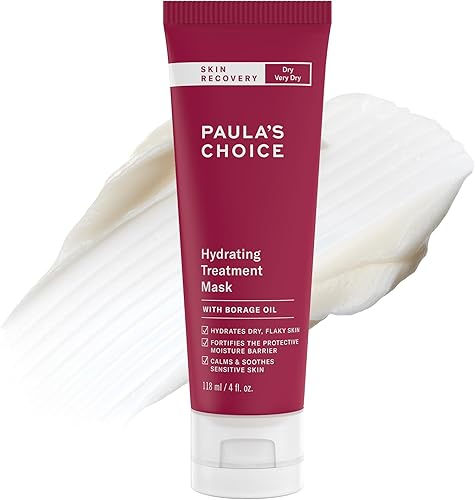
Paula's Choice Skin Recovery Hydrating Treatment Mask
This overnight cream is the most forgiving option in the lineup. Primrose oil and a quiet blend of vitamins A, C, and E rebuild lipid scaffolding without any tingle. Cyclists who train on consecutive days appreciate that it doesn't photosensitize, so morning sunscreen layers cleanly on top. The 4 oz jar lasts through an entire season at twice-weekly use. Find Paula's Choice Skin Recovery Mask on Amazon.
A Smart Weekly Mask Schedule for Active Cyclists
Most riders get the best results from rotating between repair, hydration, and resurfacing masks rather than using a single formula daily. A workable seven-day schedule looks like this: hydrogel sheet after the long weekend ride, soothing honey or ceramide cream mask mid-week after a hard interval session, enzymatic resurfacing once weekly on a rest day, and overnight cream the night before any planned all-day ride. This pattern addresses the three drivers of forehead photoaging — dehydration, inflammation, and cumulative DNA damage — without overwhelming a barrier that's already working hard. For more detail on building a routine that matches your training cycle, see our at-home spa experience face masks guide.
Don't skip the prep step. Cleanse with a gentle, non-foaming wash to remove the salt and sebum that accumulate under a helmet, then pat dry. Apply masks while skin is still slightly damp to maximize absorption of water-soluble actives like niacinamide and hyaluronic acid. And always finish with a broad-spectrum mineral SPF 30 or higher the next morning — even a recovery mask can't outpace continued unprotected exposure.
Frequently Asked Questions
Can I use an Augustinus Bader-style mask the night before a long ride?
Yes, repair-focused cream masks like the ones discussed here are best used the evening before a long training day. They reinforce the barrier overnight so your skin starts the ride better hydrated and more resilient to UV stress. Avoid resurfacing or acid-based masks within 24 hours of sun exposure, since freshly exfoliated skin is more photosensitive.
How do I treat the band of pigmentation under my helmet straps?
That dark band along the temples is friction-aggravated melasma. Look for masks combining niacinamide, tranexamic acid, or vitamin C with calming agents like centella. Use them 3-4 times weekly for 8-12 weeks and pair with daily mineral sunscreen and a tinted SPF stick that you can reapply through your helmet vents at rest stops.
Should cyclists use sheet masks or cream masks for sun damage repair?
Both have a role. Sheet and hydrogel masks excel for immediate post-ride cooling and rapid rehydration, since the occlusive layer pushes serum deep into the brow and temples. Cream and gel masks are better for overnight repair on rest days, because they let actives like peptides and ceramides work for hours without being interrupted by sweat or rinsing.
Is the BIODANCE hydrogel mask really comparable to luxury repair masks?
For raw hydration and barrier support after exposure, yes — the format and active concentration are genuinely effective. Where luxury formulas still have an edge is in proprietary repair peptides and growth-factor analogs that target deeper signs of photoaging. Many cyclists rotate budget hydrogels for daily recovery and reserve premium creams for weekly intensive treatments.
Can I wear a treatment mask during a recovery ride or spin session?
Skip it. Heat and sweat will dilute the active ingredients, push formulas into the eyes, and trap residue under your helmet pads where it can clog pores. Apply masks after showering post-ride, when skin is clean and you can lie down for 15-30 minutes without disturbance.
How long before I see results on sun-etched forehead lines?
Surface hydration and tone improvements show within one to two weeks. Genuine collagen rebuild for etched lines and crepiness takes 8-12 weeks of consistent use, paired with daily SPF and a vitamin C serum in the morning routine. Cyclists training through summer should consider the program ongoing rather than a short course.
Are there ingredients I should avoid in a cyclist's mask routine?
Limit strong fragrance, essential oils like citrus or peppermint that can photosensitize, and high-percentage glycolic or salicylic acids on consecutive days. Helmet friction already disrupts the barrier, so layering aggressive exfoliants creates a cumulative irritation cycle that shows up as redness across the forehead and temples within a few weeks.
Key Takeaways
- Choosing the right augustinus bader mask for cyclists with sun damaged forehead means matching capacity and output ports to your actual devices
- Always check actual watt-hours (Wh), not just watts — runtime depends on Wh, not peak output
- Also covers: augustinus bader cream mask helmet line damage
- Also covers: luxury mask for road cyclist sun spots
- Also covers: bader mask UV damage temples forehead
- Compare price-per-Wh across models to find the best value for your budget