When the temperature drops and indoor heating zaps every last drop of moisture from your face, a fresh rose mask combination skin winter routine becomes essential. Combination skin in cold climates is a paradox: cheeks flake while the T-zone still glistens, and most heavy creams suffocate the forehead before they ever soothe the jawline. Rose-infused masks bridge that gap because rose water and damask rose extract deliver lightweight, calming, anti-inflammatory hydration without clogging pores. Fresh Beauty's iconic Rose Face Mask is the gel-and-petal benchmark, but if it is sold out, over budget, or simply not luxurious enough for a really brutal cold snap, the rose-forward and rose-adjacent alternatives below give dehydrated combination skin a comparable spa-grade rescue.
Why winter wrecks combination skin and where rose fits in
Cold outdoor air holds almost no water vapour, and the dry indoor heat that follows pulls trans-epidermal water loss into overdrive. Combination skin reacts in two contradictory ways at once: sebaceous glands on the T-zone over-produce oil to compensate for the dehydration, while the thinner skin on the cheeks, temples and around the mouth becomes tight, papery and prone to micro-flaking. A standard winter heavy cream solves the cheeks but triggers congestion on the nose. A standard mattifying mask soothes the T-zone but leaves the cheeks even more parched than before.
This is exactly where a fresh rose mask combination skin winter strategy earns its place. Rose water is a humectant-style botanical that pulls moisture into the stratum corneum without occluding pores. Rose extract is rich in polyphenols and naturally calming flavonoids that reduce the redness winter weather drags out of cheeks. And the gel, hydrogel or wrapping-mask formats most luxury rose-style masks come in are non-occlusive enough that they will not push your T-zone into a breakout. Pair a rose-focused leave-on or sheet mask once or twice a week with a barrier-repair sleeping mask on alternating nights, and you get a winter routine that genuinely handles both halves of a combination face.
What to look for in a winter rose-style mask
- Rose water or damask rose at the top of the ingredient list, not buried as a fragrance afterthought.
- Companion humectants such as hyaluronic acid, glycerin, panthenol or beta glucan to lock in the rose hydration.
- Barrier-supporting lipids like ceramides, squalane or centella for the dehydrated cheek areas.
- Gel, hydrogel, sheet or thin wrapping textures that will not occlude an oilier T-zone.
- No drying alcohol or harsh menthol, which feels refreshing for thirty seconds and then tightens cold-weather skin even further.
If you are still building out your understanding of what separates a true luxury treatment mask from a basic drugstore sheet, our luxury face mask vs treatment mask guide walks through the categories before you spend three figures on a jar.
Comparison: best rose-style and rose-adjacent masks for dehydrated combination skin this winter
| Mask | Format | Rose / Hydration Hero | Best For | Approx. Use |
|---|---|---|---|---|
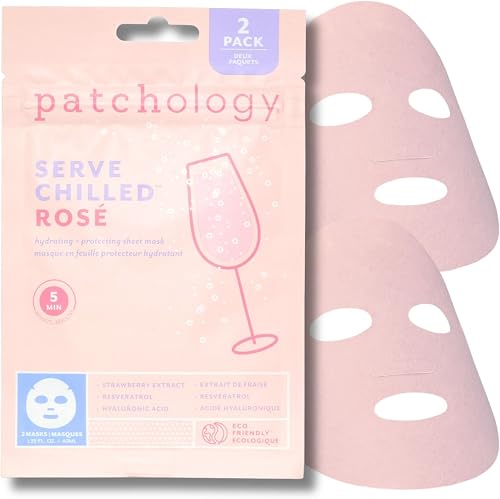
| Patchology Serve Chilled Rosé | Sheet mask | Rosé scent + hyaluronic acid | Quick winter glow-up | 2x per week |
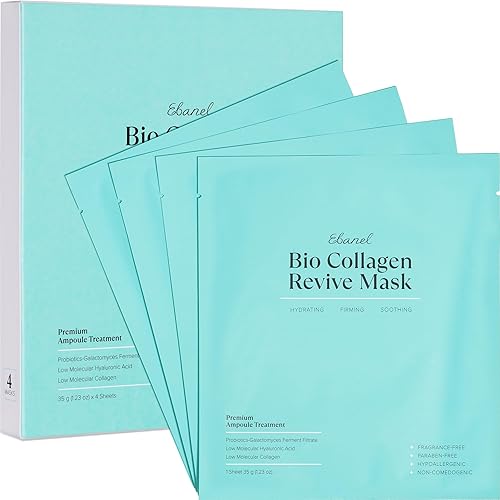
| Ebanel Bio Collagen Mask | Hydrogel sheet | Rose water, peptides, ceramide | Dehydrated cheeks + plumping | 1-2x per week |
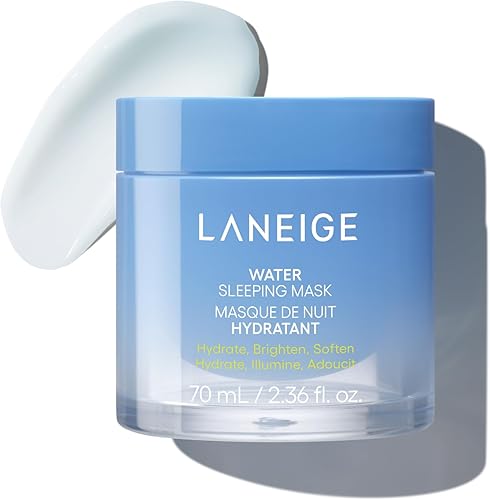
| LANEIGE Water Sleeping Mask | Overnight gel | Squalane + probiotic complex | Overnight winter rehydration | 2-3x per week |
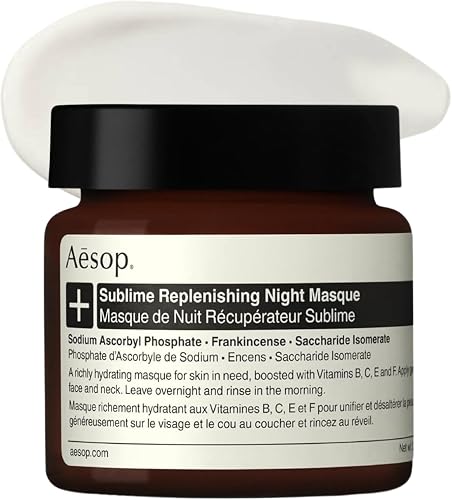
| Aesop Sublime Replenishing Night Masque | Overnight cream | Vitamins B, C, E, F | Severely dehydrated, patchy skin | 1-2x per week |
| Estée Lauder Advanced Night Repair PowerFoil | Foil sheet | Hyaluronic acid + ANR complex | Luxury winter rescue night | Weekly |
Top picks for a fresh rose mask combination skin winter routine
1. Patchology Serve Chilled Rosé Facial Sheet Mask
If you want the closest sensory experience to Fresh's iconic Rose Face Mask without the jar price tag, Patchology's Serve Chilled Rosé sheet masks are the natural starting point. Each foil pouch contains a hyaluronic-acid-soaked sheet that smells convincingly like a crisp glass of rosé and goes on cold straight out of the fridge — a small luxury when your skin is already gritted against the winter wind. The hyaluronic acid pulls water back into dehydrated cheek tissue while a botanical blend calms the redness that combination skin tends to flare on the nose and chin. Slot one in twice a week between heavier overnight treatments. View on Amazon.
2. Ebanel Bio Collagen Face Mask with Rose Water
Ebanel's Bio Collagen sheet mask is one of the few mid-luxury picks that genuinely lists rose water alongside seven peptides, niacinamide, centella, ceramide and B5 — a properly engineered formula for the exact problems winter combination skin throws up. The jelly-like sheet hugs the contours of cheeks and jaw, melting in over twenty minutes and leaving behind a soft cushion of hydration rather than the slippery shine some collagen sheets leave. We particularly like it on a cold Sunday evening as a reset before the week, where the rose water tackles redness and the ceramides reinforce the cheek barrier without sliding the nose into next-morning shine. View on Amazon.
3. LANEIGE Water Sleeping Mask
Not strictly rose, but indispensable on the alternate nights when you skip a sheet mask and still need to claw moisture back into a winter face. LANEIGE's cult gel sleeping mask is built on squalane and a probiotic-derived complex that supports the barrier overnight, and the water-gel texture absorbs without leaving the T-zone glossy by morning. We treat it as the workhorse partner to a rose-focused weekly sheet mask: rose for calm and glow, LANEIGE for deep overnight rehydration. View on Amazon.
4. Aesop Sublime Replenishing Night Masque
For genuinely dehydrated, patchy, January-after-a-flight skin, Aesop's Sublime Replenishing Night Masque is the most quietly luxurious choice on this list. The cream-textured overnight mask is loaded with vitamins B, C, E and F, and it is engineered specifically for dry, dehydrated, dull, patchy skin — every adjective that describes a combination face mid-winter. The texture is rich enough for tight cheeks but settles down by morning rather than smothering the T-zone. Use it once or twice a week in place of your usual night cream, ideally after a hydrating sheet. View on Amazon.
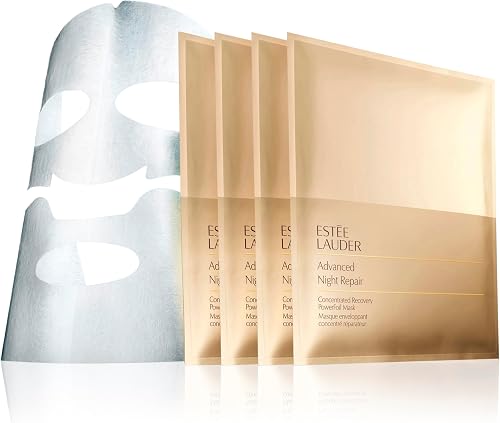
5. Estée Lauder Advanced Night Repair PowerFoil Face Mask
When you want the most luxurious single-treatment night of the winter — a date, a wedding, the morning of a big presentation — the Advanced Night Repair PowerFoil sheets deliver more concentrated hyaluronic acid and the ANR signature complex in one twenty-minute session than most jars deliver in a week. The foil backing forces every drop of essence into the skin instead of evaporating into a dry hotel room. Combination skin wakes up with a bouncier cheek surface and a noticeably calmer T-zone, without any of the heaviness that some night creams leave. Worth keeping a four-pack in the bathroom drawer through the coldest months. View on Amazon.
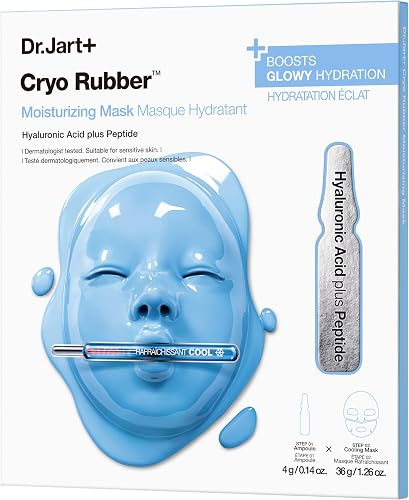
6. Dr.Jart+ Cryo Rubber Cooling Mask
An honourable mention for anyone whose combination skin reacts to winter with flushed, hot cheeks and stinging redness. The Cryo Rubber two-step format mixes a hydrating ampoule with a rubberised cooling mask that locks the serum against the skin for fifteen minutes of genuinely cold, calming pressure — closer to a facial than a sheet mask. Pair it monthly with the rose picks above for a more clinical reset. View on Amazon.
How to layer a fresh rose mask combination skin winter routine
The most common mistake we see is using a luxurious mask in isolation, then layering it under the wrong moisturiser and undoing the work in five minutes. A reliable winter routine looks like this: cleanse with a non-stripping milk or balm, mist or tone with a hydrating essence, apply your treatment mask, gently press in any remaining essence, then seal with a thin barrier cream on the cheeks and a lighter gel on the T-zone if needed. For sheet masks, do not rinse afterwards — the rose water and peptides need to stay on the skin. For overnight masks, smooth on as the final step and let them work for the full sleep cycle.
If you are still working out whether your skin really is combination or just dehydrated and pretending to be oily, our guide to choosing a luxury face mask by skin type has a quick diagnostic. And if you cannot decide how often is too often, our luxury face mask frequency cheat sheet breaks down realistic weekly cadences.
The case for cross-shopping Fresh vs Sisley before you commit
Both Fresh and Sisley make a famous rose-based luxury mask, and they are not interchangeable. Fresh leans cooling, gel-textured and floral; Sisley's Black Rose is creamier, more nourishing and noticeably more expensive. For a dehydrated combination face in deep winter, the right pick depends on whether you want refreshment or richness. We have a full head-to-head in our Sisley Black Rose vs Fresh Rose Face Mask comparison, and a broader hydrating-mask roundup in our top hydrating treatment masks for dry skin in 2026.
Frequently Asked Questions
How often should I use a fresh rose mask on combination skin in winter?
Two to three times a week is the sweet spot for a fresh rose mask combination skin winter routine. Rose-water-based gel and sheet masks are gentle enough for that cadence and will not over-saturate the T-zone. Reserve heavier overnight treatments for one or two of those nights, and keep the others as light sheet or essence masks so the skin barrier has time to settle between treatments.
Can a rose face mask cause breakouts on the T-zone?
Pure rose water and damask rose extract are extremely unlikely to cause breakouts on their own — they are non-comedogenic and anti-inflammatory. Breakouts usually come from the supporting ingredients, particularly heavy occlusive oils or fragranced essential oils stacked on top of an already congested T-zone. If you are acne-prone, choose a gel or hydrogel format over a thick cream mask, and check that no comedogenic plant oils sit in the top five ingredients.
Are sheet masks or overnight rose masks better for dehydrated combination skin?
Use both, for different jobs. Sheet masks deliver a concentrated dose of rose water and humectants in fifteen to twenty minutes and are perfect for a fast pre-event refresh. Overnight masks act more like a treatment cream, sealing in moisture for six to eight hours of repair. In winter, alternating between the two — sheets twice a week, overnight masks once or twice — keeps both halves of a combination face properly hydrated without overloading the skin.
Will a rose mask actually help with redness from cold weather?
Yes, although it is not an instant fix the way a prescription topical would be. Rose extract contains natural flavonoids and polyphenols that reduce visible redness over repeated use, and the cooling sensation of a refrigerated gel or sheet mask provides immediate relief from wind burn. Pair with centella, panthenol or beta glucan in the same formula for compounding calm.
Can I use a rose mask under a richer winter night cream?
For sheet and gel masks, yes — apply the mask first, press in the remaining essence, then layer your night cream on top to seal it all in. For overnight wrapping masks or sleeping masks, skip the night cream and let the mask itself act as the final step. Stacking an overnight mask under a heavy cream can trap too much occlusion against the T-zone and trigger congestion by morning.
Is the Fresh Rose Face Mask worth the price compared to dupes?
The original is genuinely luxurious thanks to the real rose petals and the cult-favourite gel texture, but it is not the only rose-based mask that delivers in winter. Mid-luxury sheet masks like Patchology Serve Chilled Rosé and Ebanel's rose-water bio-collagen sheets offer similar calming, hydrating results at a fraction of the cost per use. If you want the closest sensory equivalent without buying the jar, those two are our recommended substitutes.
What should I avoid layering with a rose mask in winter?
Avoid using a rose mask on the same night as strong actives — high-percentage retinol, glycolic acid, or fresh BHA exfoliation. Winter skin is already compromised, and stacking acids on top of a hydrating mask will undo the barrier benefits and can trigger stinging or peeling. Save your actives for non-mask nights and let rose-and-humectant masks do the soothing, plumping work uninterrupted.
Key Takeaways
- Choosing the right fresh rose mask combination skin winter means matching capacity and output ports to your actual devices
- Always check actual watt-hours (Wh), not just watts — runtime depends on Wh, not peak output
- Also covers: fresh rose mask cold weather
- Also covers: dehydrated combination skin luxury mask
- Also covers: fresh rose mask dry indoor heat
- Compare price-per-Wh across models to find the best value for your budget