If you have just finished a 20-mile training block or a brutal marathon in cold crosswinds, your face probably feels tight, sandpapery, and weirdly hot at the same time. That is classic wind burn: a stripped lipid barrier, micro-inflammation, and dehydration stacked on top of post-race oxidative stress. The Augustinus Bader Rich Cream Mask is the cult overnight pick for this exact problem because it floods skin with TFC8, shea, and avocado oil while you sleep off the mileage. Below is an honest guide to using an augustinus bader mask for runners, plus calmer, more affordable treatment masks that pair beautifully with it (or stand in when your budget already went to carbon-plated shoes).
Why marathon runners get wind burn (and why a rich cream mask helps)
Wind burn is not just chapping. When you log long miles in sub-40°F air, the moisture gradient between your skin and the atmosphere skyrockets. Sweat evaporates faster than your sebaceous glands can replace lipids, your stratum corneum cracks at a microscopic level, and UV plus particulate exposure finishes the job. By the time you peel off your headband, your cheeks, nose bridge, and forehead are inflamed, dehydrated, and primed for post-run breakouts when you finally moisturize.
A rich, occlusive overnight mask does three things at once: it slows transepidermal water loss, delivers ceramide- and peptide-based repair signals, and physically shields the skin from rebound dryness in heated indoor air. Augustinus Bader’s formula leans into this with its trademark TFC8 complex, but the underlying principle — occlusion plus barrier nutrition — is what every wind-burned runner actually needs. That is the lens we will use when comparing alternatives.
How to use an augustinus bader mask for runners on race week
If you are deep in taper or recovering from a long effort, treat the mask as a recovery tool, not a daily moisturizer. Cleanse with a non-foaming, low-pH wash to avoid re-stripping the barrier, pat skin damp, layer a humectant essence (anything with panthenol or glycerin), then apply a generous, visible layer of the rich cream mask. Sleep on a clean pillowcase. In the morning, you should wake up to skin that looks plump rather than shiny — if it still feels tight, you under-applied.
For training weeks, two to three nights per week is plenty. On non-mask nights, a lighter ceramide cream keeps your barrier in good shape without overloading skin that is already producing sweat-related sebum. Our guide to luxury face mask frequency breaks down weekly cadence by skin type if you want a deeper protocol.
Comparison: overnight barrier masks that work for wind-burned runner skin
| Mask | Best for | Key actives | Texture | Price tier |
|---|---|---|---|---|
| Augustinus Bader Rich Cream Mask | Severe wind burn, post-marathon recovery | TFC8, shea, avocado oil | Rich cream | Ultra-luxury |
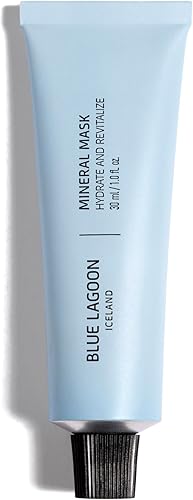
| Blue Lagoon Hydrating Overnight Mineral | Slugging-safe barrier repair | Silica, mineral complex | Balm-cream | Premium |
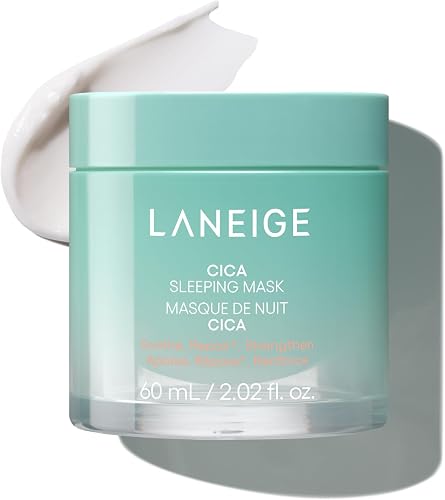
| LANEIGE Cica Sleeping Mask | Reactive, red, sensitized post-run skin | Centella, madecassoside | Gel-cream | Mid |
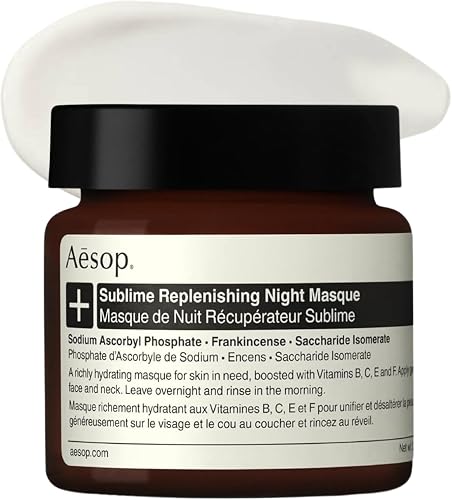
| Aesop Sublime Replenishing Night Masque | Dry, patchy, dehydrated marathoner skin | Vitamins B, C, E, F | Cream | Premium |
| Paula’s Choice Skin Recovery | Calming budget pick | Primrose oil, vitamin C, HA | Cream | Mid |
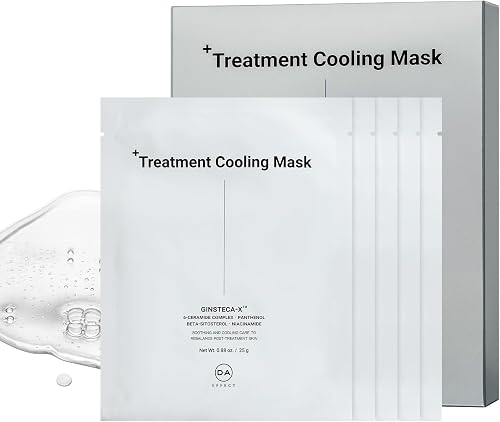
| DA EFFECT Cooling Treatment Sheet | Acute flare-up the night after a race | Cooling complex, panthenol | Sheet | Affordable |
Product picks: alternatives and pairings for the augustinus bader mask for runners
Blue Lagoon Skin Science Hydrating Overnight Mineral Face Mask
This is the closest spiritual cousin to a rich Bader-style night mask for runners who train in genuinely cold, dry climates. The mineral-and-silica complex is engineered for Icelandic wind exposure, which is essentially a stress test for wind burn. It is slugging-safe, fragrance-light, and dense enough to act as a true occlusive layer without feeling greasy on your pillow. Apply after a long-run shower and you will wake up with the kind of skin that looks like it spent a rest day, not a race day. View on Amazon
LANEIGE Cica Sleeping Mask
If your wind burn is showing up as red, hot patches across the cheekbones — the kind that look like sunburn even though it was 38°F — centella asiatica is your friend. LANEIGE’s cica formula is specifically built for sensitized barriers, and the gel-cream texture is easier to tolerate than a heavy balm when your skin is too irritated for occlusion. Many runners use this on the actual race night and switch to a richer cream the second night. View on Amazon
Aesop Sublime Replenishing Night Masque
For marathoners whose wind burn manifests as dull, flaky, dehydrated patches rather than redness, Aesop’s vitamin-loaded cream is the smarter overnight choice. Vitamins B, C, E, and F together address oxidative damage from race-day pollution and UV while replenishing lipids. It layers well under sunscreen the next morning, which matters if you have an easy recovery run planned. View on Amazon
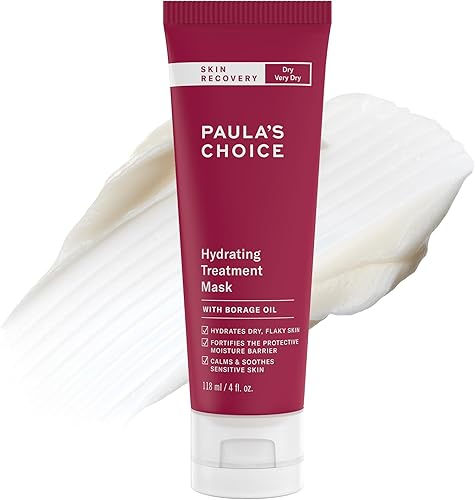
Paula’s Choice Skin Recovery Hydrating Treatment Mask
This is the budget MVP. Primrose oil plus hyaluronic acid plus a low-irritation vitamin blend gives you most of what a rich cream mask offers at a fraction of the cost, which matters when you are already spending money on entry fees, shoes, and physical therapy. It is fragrance-free and dermatologist-friendly, so reactive-skinned runners can use it the same night they finish a hard race. View on Amazon
DA EFFECT Cooling Treatment Sheet Mask
Sheet masks have a specific role for wind-burned runners: rapid surface cooling and humectant flooding right after you get inside. DA EFFECT was designed as post-procedure care, which means it handles the acute heat-and-tightness phase better than a heavier cream when you do not want to sleep in occlusion yet. Use one immediately after a cold-weather long run, then layer a rich cream mask once your skin temperature has normalized. View on Amazon
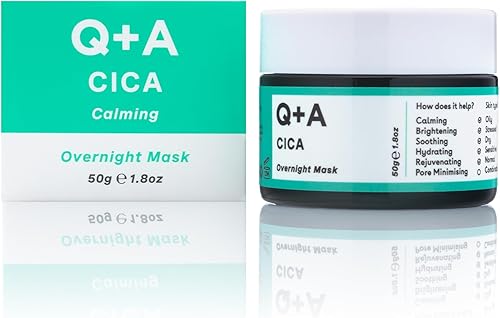
Q+A Cica Overnight Face Mask
A clean, fragrance-free overnight option built around centella asiatica and barrier-strengthening peptides. It is lighter than a true rich cream, which makes it useful during peak training weeks when you are masking three or four nights in a row and do not want to risk congestion. View on Amazon
How to build a 7-day wind burn recovery protocol
Most runners overcomplicate this. Here is a clean structure: race night, use a cooling sheet mask within 30 minutes of getting indoors. Night two, apply a rich cream mask — the augustinus bader mask for runners we have been discussing — in a thick, visible layer. Night three, switch to a cica or recovery cream that calms residual inflammation without adding more occlusion. Nights four through six, alternate between a humectant-heavy gel mask and your normal moisturizer. Night seven, repeat the rich cream if you have another hard session on the calendar.
If you want a deeper walkthrough of when to layer treatment masks within a routine, our guide to using treatment masks covers application order, frequency by season, and how to avoid the over-exfoliation traps that wreck marathoner skin during peak weeks.
What to look for on the ingredient list
For runner-specific wind burn, prioritize formulas heavy on shea butter, squalane, ceramides NP/AP/EOP, cholesterol, panthenol, centella, allantoin, and peptides. Avoid anything with high-percentage AHAs, retinol, or essential-oil-based fragrance the night of a long run — your barrier cannot handle the additional load. Hyaluronic acid is fine but should always be sealed in by an occlusive layer; otherwise, in dry indoor air, it can actually pull moisture out of deeper skin layers. Our overview of best overnight masks for radiant skin in 2026 goes deeper on which formulations consistently outperform.
When to skip the mask entirely
If your wind burn has progressed to open, weeping, or genuinely painful skin — not just tight or red — stop masking and treat it as a wound. See a dermatologist, use plain petrolatum as a temporary barrier, and skip actives entirely until the skin closes. Masks are for managed barrier disruption, not broken skin.
Frequently Asked Questions
Is the Augustinus Bader Rich Cream Mask actually worth it for marathon runners?
For runners who race or train multiple times per week in harsh weather and already have a stripped barrier, yes — the combination of TFC8, shea, and avocado oil legitimately accelerates overnight recovery. For runners who only race once or twice a year, a less expensive ceramide-and-centella overnight mask will deliver 80% of the benefit at 20% of the cost.
Can I use a rich cream mask the night before a marathon?
You can, but do a patch test in the weeks before. The night before a race is not the time to discover that a new occlusive formula causes you to break out across the forehead where your hat sits. Stick with a product your skin already tolerates, applied in a slightly lighter layer so it absorbs fully before you sleep.
How do I treat wind burn that already turned into peeling and flakes?
Switch from cleansing to micellar water for a few days, layer a humectant essence with panthenol, then seal with a barrier cream or rich mask. Do not exfoliate the flakes — they are protecting fragile new skin underneath. Once skin tone evens out, you can reintroduce a gentle PHA two to three nights per week.
Will an overnight mask cause breakouts on sweaty marathoner skin?
Only if you apply it without thoroughly cleansing post-run or if the formula is heavily fragranced. Choose non-comedogenic, fragrance-free options for training weeks and save denser luxury creams for race-recovery nights when you have showered properly.
What is the difference between a sheet mask and a rich cream mask for runners?
Sheet masks deliver acute hydration and cooling in 15-20 minutes — ideal for the moment you walk in from a cold long run. Rich cream masks deliver sustained occlusion and lipid replacement over 6-8 hours — ideal for overnight repair. Runners benefit from owning both.
Can I use a rich cream mask under sunscreen for a morning shakeout?
You should not. Heavy occlusive masks are designed to be the final overnight layer. In the morning, cleanse the residual product, apply a lightweight moisturizer, and use a dedicated mineral or hybrid sunscreen. Otherwise, you risk pilling, sweat-related stinging, and reduced UV protection during your run.
Does cold-weather running require a different mask than hot-weather running?
Yes. Cold-weather running prioritizes occlusion and lipid replacement to fight wind burn and indoor heating dryness. Hot-weather running prioritizes lightweight humectant masks and cooling sheet treatments to manage sweat-related congestion and post-sun inflammation. The same runner often needs a seasonal mask rotation rather than one universal product.
How long before a race should I start a barrier-repair protocol?
Ten to fourteen days. That gives your skin enough time to fully rebuild ceramide content, calm any baseline inflammation, and tolerate race-day exposure without flaring. Cramming a single mask in the night before will not undo weeks of training-induced wind burn.
Key Takeaways
- Choosing the right augustinus bader mask for runners means matching capacity and output ports to your actual devices
- Always check actual watt-hours (Wh), not just watts — runtime depends on Wh, not peak output
- Also covers: augustinus bader wind burn
- Also covers: luxury mask outdoor athletes
- Also covers: bader mask marathon training
- Compare price-per-Wh across models to find the best value for your budget