The Joanna Vargas Forever Glow mask for newscasters has become an open secret in green rooms from 30 Rock to the West Coast affiliates, prized for the 20-minute brightening reset it delivers before a 4K lens captures every pore. Worn pre-broadcast, the bio-cellulose mask saturates skin with niacinamide, kaolin, and arnica to balance oil, calm redness, and create the dewy-but-not-shiny finish that survives studio lighting. For on-camera talent, that combination matters: HD sensors amplify uneven tone, halogen rigs flatten dimension, and concealer caked over dry patches photographs like cracked plaster. This guide breaks down why the Forever Glow earned its broadcast reputation, how to slot it into a pre-show routine, and the realistic Amazon-available alternatives that hold up under the same unforgiving close-ups.
Why Newscasters Need a Camera-Specific Mask Strategy
Studio lighting is brutal. A typical news set runs 5600K LED key lights at intensities that would make any retail shopper squint, and modern 4K UHD cameras resolve detail at roughly four times the pixel density of broadcast standards from a decade ago. Texture that the naked eye glosses over—the slight crepe under the lower lash line, the shallow vertical lines beside the mouth, the after-3pm shine on the T-zone—becomes the dominant visual story on a 65-inch monitor at home. Makeup artists working network news call this "the close-up problem," and the fix almost always starts before the powder puff: skin needs to be hydrated, depuffed, calmed, and reflectance-balanced before foundation ever touches it.
The Joanna Vargas Forever Glow mask for newscasters fills that prep slot because it does four things at once. The bio-cellulose substrate molds tightly to the contours of the face, driving actives deeper than a typical cotton sheet. Niacinamide tackles redness and uneven tone. Kaolin lifts a subtle amount of surface oil without stripping. And arnica reduces the morning-of puffiness that comes from sodium-heavy craft service meals and 4 a.m. call times. The result is skin that reads luminous on camera rather than reflective—a distinction every lighting director cares about.
How the Forever Glow Fits Into a Pre-Broadcast Routine
Most on-air talent who use the Joanna Vargas Forever Glow mask for newscasters apply it in the chair 30 to 45 minutes before makeup. The sequence usually looks like this: gentle cleanse, hydrating toner, mask for 20 minutes, pat in remaining essence, eye cream, SPF or primer, then handoff to the makeup department. The mask leaves enough residual moisture that foundation glides without grabbing, but not so much slip that powder won't set. That balance is hard to replicate with a generic sheet mask, which is why the alternatives below are evaluated against the same broadcast-readiness criteria rather than just general skincare benefits.
Comparison: Broadcast-Ready Treatment Masks Available on Amazon
| Mask | Format | Wear Time | Best For On-Camera | Key Active |
|---|---|---|---|---|
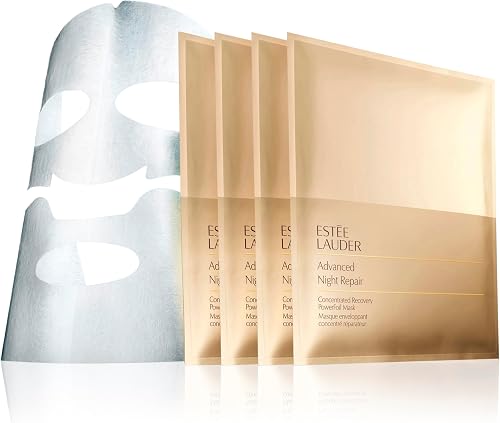
| Estée Lauder Advanced Night Repair PowerFoil | Foil sheet | 10 min | Late-night anchor recovery | Hyaluronic acid |
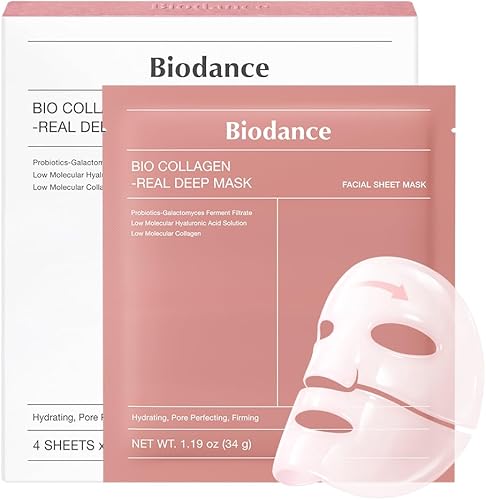
| BIODANCE Bio-Collagen Real Deep | Hydrogel | 2–3 hrs / overnight | Overnight pre-show prep | Hydrolyzed collagen |
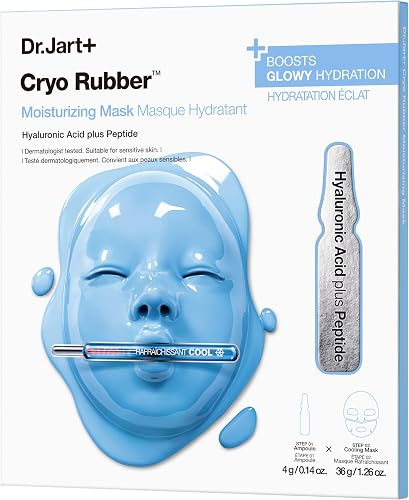
| Dr.Jart+ Cryo Rubber Cooling | Rubber + ampoule | 15 min | Depuffing under HD lights | Cooling complex |
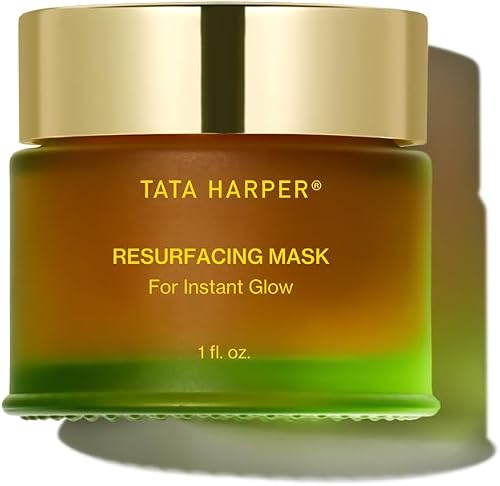
| Tata Harper Resurfacing Mask | Wash-off gel | 10 min | Instant texture refinement | BHA, willow bark |
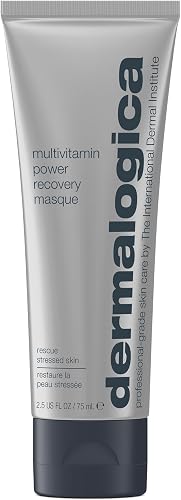
| Dermalogica Multivitamin Power Recovery | Wash-off cream | 10 min | Tired, stressed broadcast skin | Vitamin C + lactic acid |
The Top Broadcast-Ready Alternatives
Estée Lauder Advanced Night Repair PowerFoil Sheet Mask
If you need a treatment that mimics the immediate post-Forever Glow finish without the salon trip, the Estée Lauder PowerFoil is the closest off-the-shelf match. The foil backing traps body heat and forces the serum—rich in hyaluronic acid and the brand's signature ChronoluxCB complex—deep into the upper dermis in just ten minutes. Anchors who do live shots at unpredictable hours keep a stash in the green room mini fridge because it works fast and leaves zero tackiness, which means powder can be applied within five minutes of removal. The 4-pack format is travel-friendly for live remotes. Check the Estée Lauder PowerFoil on Amazon.
BIODANCE Bio-Collagen Real Deep Mask
For overnight prep before a big morning broadcast, the BIODANCE hydrogel is the cult favorite. Unlike sheet masks that dry out and pull moisture back from skin, this hydrogel adheres for 2 to 8 hours, slowly dissolving as it releases collagen, peptides, and niacinamide. Wake up and the only thing left is a thin glaze you press in. Camera operators have noticed the difference; skin photographs plumper and pores visibly tighter, which means foundation needs to do less work. The four-mask box is enough to cover a full week of important shoots. View BIODANCE Bio-Collagen Real Deep on Amazon.
Dr.Jart+ Cryo Rubber Cooling Mask
The puffiness problem is real. Hot studio lights, salty catering, and 3 a.m. wake-ups conspire to give anchors that slightly inflated look around the cheeks and jawline. Dr.Jart+'s rubberized cryo formula is engineered for exactly this. You mix the ampoule into the rubber base, apply it as a thick mold over the face, and the cooling effect visibly reduces puffiness within 15 minutes. It is the closest at-home stand-in for the sculpted, contoured finish makeup artists chase with manual lymphatic massage. See Dr.Jart+ Cryo Rubber on Amazon.
Tata Harper Resurfacing Mask
HD cameras are merciless about texture. A subtle layer of dead skin that nobody notices in person can throw entire shadow patterns across the cheek under broadcast lighting. The Tata Harper Resurfacing Mask uses willow bark-derived BHA and pomegranate enzymes to gently dissolve dulling buildup in ten minutes, leaving a polished surface for makeup to grab evenly. It is gentler than most acid masks—important when you need to be on camera the next day—and the pink hue is more aesthetic than functional, which is a nice touch for the green room shelf. Browse Tata Harper Resurfacing on Amazon.
Dermalogica Multivitamin Power Recovery Masque
For the back-to-back shift, when an anchor has done a morning hit, traveled to an afternoon panel, and faces a primetime cut-in, the Dermalogica Multivitamin Power Recovery Masque is the rescue treatment. Loaded with vitamins A, C, and E, plus lactic acid, it revives skin that is showing the strain of long workdays and re-applied foundation. Ten minutes restores brightness and helps fade the gray cast that exhausted skin develops under studio lighting. See Dermalogica Multivitamin Masque on Amazon.
Building a Broadcast-Ready Mask Rotation
Most professional on-air talent do not rely on a single mask. They rotate based on the demands of the shoot, the time of day, and what their skin is doing that week. A reasonable starter rotation looks like this: an overnight hydrogel (BIODANCE) two nights a week, a cooling mask (Dr.Jart+ Cryo Rubber) on broadcast mornings when puffiness is the issue, a gentle resurfacing mask (Tata Harper) once a week to keep texture in check, and a vitamin C-rich rescue mask (Dermalogica) on demand. The Joanna Vargas Forever Glow slots in as the pre-event premium pick when a high-stakes appearance—an awards show interview, a primetime special, a documentary close-up—demands the salon-grade finish.
If you are new to building this kind of routine, our guide to using treatment masks covers the fundamentals of layering, timing, and frequency. For broadcasters and anyone whose work depends on how their skin reads on screen, the luxury face mask frequency rules are slightly different from the general advice, because pre-event masking can safely be more frequent than maintenance masking if you choose gentle formulas.
What Makes a Mask Work Under HD Cameras
Three properties separate the broadcast-ready masks from the merely pleasant. First, immediate hydration depth: skin needs to look plump within minutes, not hours. Hyaluronic acid in multiple molecular weights, polyglutamic acid, and snow mushroom extract all qualify. Second, controlled luminosity: the mask should leave a satin finish rather than a wet shine, because wet shine reads as oily on camera. Niacinamide and panthenol help create that satin effect. Third, calming actives: anything that reduces baseline redness gives foundation less work to do. Centella asiatica, allantoin, and arnica are the workhorses here. Masks that combine all three—the Forever Glow being a textbook example—are the ones that earn permanent green room status.
The Role of Cooling and Depuffing
One underappreciated trick: every mask in a broadcast rotation should spend time in the refrigerator. The temperature drop constricts surface blood vessels, reduces puffiness, and helps the mask feel like a treatment rather than a chore. Sheet masks tolerate fridge storage well. Cream and gel formulas can too, as long as the brand does not specifically warn against it. The Dr.Jart+ Cryo Rubber is engineered for the cold effect at room temperature, but even it benefits from a few minutes in the fridge before application. For ideas on extending the spa experience at home, our at-home spa experience with face masks guide walks through the full ritual.
Frequently Asked Questions
How long before a broadcast should I apply the Joanna Vargas Forever Glow mask?
The optimal window is 30 to 45 minutes before makeup application. The mask itself takes 20 minutes, then skin needs 10 to 15 minutes to fully absorb residual essence before primer or foundation goes on. Applying too close to camera time can cause foundation to slide; applying too early loses the peak luminosity window.
Can I use a luxury treatment mask every day before going on camera?
Hydrating sheet and hydrogel masks—like the BIODANCE Bio-Collagen or the Estée Lauder PowerFoil—are safe daily. Exfoliating masks with BHA, AHA, or enzymes should be limited to once or twice weekly to avoid sensitizing skin under studio lights. Cream masks fall in between, generally tolerable every other day if the formula is calming rather than active.
What is the difference between the Joanna Vargas Forever Glow mask and a drugstore brightening sheet mask?
The Forever Glow uses a bio-cellulose substrate rather than cotton, which transfers actives at significantly higher rates because it forms a near-vacuum seal against skin. The active formula also blends niacinamide, kaolin, and arnica in clinical-grade percentages. Drugstore alternatives may include similar ingredients but typically at lower concentrations and on substrates that release serum less efficiently.
Will treatment masks make my foundation look cakey on HD video?
Only if applied incorrectly. The most common mistake is skipping the wait time between mask removal and makeup application, which traps moisture under foundation and causes pilling. Pat in residual essence, wait at least ten minutes, apply primer if needed, then proceed with foundation. Done right, the mask should make foundation look more seamless, not less.
Are overnight masks safe to use before a morning broadcast?
Yes, and they are often the best choice. Hydrogel overnight masks like the BIODANCE Bio-Collagen deliver hours of moisture without leaving residue. Wash-off overnight creams should be rinsed in the morning shower. Avoid retinol-based overnight masks the night before camera work, since retinol can cause subtle redness that photographs poorly.
How do I keep my skin from looking shiny on camera after a hydrating mask?
Layer a mattifying primer over hydrated skin rather than reducing the hydration step. The goal is dewy underneath, satin on top. A light dusting of translucent powder along the T-zone and chin after foundation locks down the finish without flattening the luminosity the mask created. For more on selecting the right hydrating format, see our top hydrating treatment masks for 2026 guide.
Is the Joanna Vargas Forever Glow mask worth the price compared to Amazon alternatives?
For high-stakes broadcast moments where every detail matters, the salon-grade formula and bio-cellulose substrate justify the investment. For routine pre-shift prep, the Estée Lauder PowerFoil and BIODANCE hydrogel deliver 80 to 90 percent of the visible benefit at a fraction of the cost. Most working anchors use a hybrid approach: premium masks for premium appearances, well-chosen Amazon picks for the daily grind.
Final Thoughts on Broadcast-Grade Masking
The best mask for newscasters is ultimately the one applied consistently, used in the correct window before camera time, and matched to the specific concern of the day—puffiness, dullness, texture, or redness. The Joanna Vargas Forever Glow has earned its broadcast reputation honestly, and for talent who can build it into a regular rotation, it remains a benchmark. But the realistic at-home toolkit built from the Amazon-available alternatives above will get most professionals 90 percent of the way there for a fraction of the spend, with the flexibility to address different concerns on different days. The cameras will not lie about which mask you used—but they will absolutely tell the truth about whether you remembered to use one at all.
Key Takeaways
- Choosing the right Joanna Vargas Forever Glow mask for newscasters means matching capacity and output ports to your actual devices
- Always check actual watt-hours (Wh), not just watts — runtime depends on Wh, not peak output
- Also covers: Joanna Vargas mask for news anchors HD
- Also covers: Forever Glow sheet mask broadcast journalists
- Also covers: TV reporter pre-show glow mask
- Compare price-per-Wh across models to find the best value for your budget