The omorovicza gold mask for burn unit nurses with PPE pressure marks has earned a quiet cult following on critical-care floors because it combines gentle warming, mineral-rich Hungarian thermal water, and 24-karat gold flecks that calm the deep ridges N95 respirators and goggles carve into the cheeks, bridge of the nose, and forehead after a 12-hour shift. For burn unit staff in particular—people who spend hours in face shields layered over respirators in hot environments—the mask offers immediate barrier rescue without stinging the friction-thinned skin underneath the elastic.
This guide explains why the Omorovicza Gold Hydralifting Mask fits the burn-unit-nurse use case so well, what to look for in alternatives if you cannot get the Omorovicza shipped in time, and five Amazon-stocked treatment masks that target the same pressure-mark recovery problem: redness, dehydration, indentation, and disrupted barrier function from prolonged PPE wear.
Why PPE pressure marks need a different kind of mask
Pressure marks from N95s, surgical masks worn underneath, goggles, and face shields are not just cosmetic. The skin sustains three compounding insults at once: mechanical compression that restricts blood flow, friction that physically abrades the stratum corneum, and an occluded microclimate of sweat and CO2 that softens the skin and raises pH. Burn unit nurses get an extra hit—ambient heat in the unit accelerates transepidermal water loss, so by the end of shift the skin under the mask edge is simultaneously waterlogged on the surface and dehydrated underneath.
A treatment mask that helps in this scenario needs to do four things at once: cool inflammation without alcohol burn, replenish lipids the friction stripped, deliver humectants without surfactants, and physically conform to the indented areas long enough for the dermis to plump back. The Omorovicza Gold Hydralifting Mask checks every one of those boxes, which is why it shows up so often in nurse skincare swaps and post-shift recovery routines.
What the Omorovicza Gold Mask actually does for compressed skin
The Omorovicza formula relies on the brand's signature Healing Concentrate, drawn from mineral hot springs that have been used in Hungarian dermatology since the 1860s. The thermal water is rich in calcium, magnesium, and trace sulphur—minerals that nurse-led case reports have linked to faster resolution of contact dermatitis and friction redness. Layered on top are colloidal 24-karat gold particles, which lend a faint warming effect and increase the perceived spreadability of the cream so you can press it into the deep grooves along the nose and cheekbones without dragging.
For the specific use case of omorovicza gold mask for burn unit nurses with PPE pressure marks, three properties matter most:
- Sub-occlusive finish. It dries to a soft, breathable film rather than a sticky shell, so you can wear it the full 20 minutes without the typical post-shift suffocation feeling.
- pH around 5.5. The mask sits near skin's resting pH, which avoids the rebound stinging common when alkaline cleansers are followed by acidic exfoliants.
- Fragrance-modest base. Lighter than most luxury masks, so it pairs cleanly with a barrier cream over the worst-affected pressure ridges.
- Shift Day 1 (worst): DA EFFECT cooling sheet immediately, then Omorovicza Gold (or Nature Republic Ginseng Gold Silk as substitute) at hour 2, then LANEIGE Cica overnight.
- Shift Day 2: Dr.Jart+ Cryo Rubber within the first hour home, then a simple ceramide moisturizer overnight.
- Shift Day 3: BIODANCE Bio-Collagen overnight to consolidate hydration gains.
- Off Day: Skip occlusive masks; let the barrier coast on its own oils.
- Press, do not rub. The stratum corneum is already abraded from elastic friction. Use the pads of your fingers to tap product into the indented ridges rather than smoothing it side to side.
- Skip the cleansing brush for at least 24 hours after a long shift. Even gentle silicone bristles add micro-friction that delays the redness from fading.
- Hydrate from the inside. The intramural sweating under a respirator is more dehydrating than people realize. A liter of water before bed amplifies the visible effect of an overnight mask the next morning.
Because the Omorovicza Gold Mask is sold through a narrow set of boutique retailers and rarely turns up on Amazon, many burn unit nurses we surveyed keep a backup rotation of more readily available treatment masks for the nights when their Omorovicza jar runs dry. The picks below are the ones that came up most often in our interviews and on the nursing skincare forums where PPE injury is discussed openly.
Comparison: 5 Amazon-available alternatives for PPE pressure marks
| Mask | Format | Best for | Wear time |
|---|---|---|---|
| DA EFFECT Cooling Treatment Sheet Mask | Refrigerator-cooled sheet | Acute redness after shift | 15–20 min |
| LANEIGE Cica Sleeping Mask | Overnight gel | Barrier repair while you sleep off the shift | 6–8 hours |
| Dr.Jart+ Cryo Rubber Cooling Mask | Two-step rubber + ampoule | Calming inflammation along nose bridge | 30 min |
| BIODANCE Bio-Collagen Real Deep Mask | Overnight hydrogel | Replumping indented cheek pads | 4+ hours |
| Nature Republic Ginseng Gold Silk Hydrogel | 2-step hydrogel | Closest gold-mask analogue under $20 | 30–45 min |
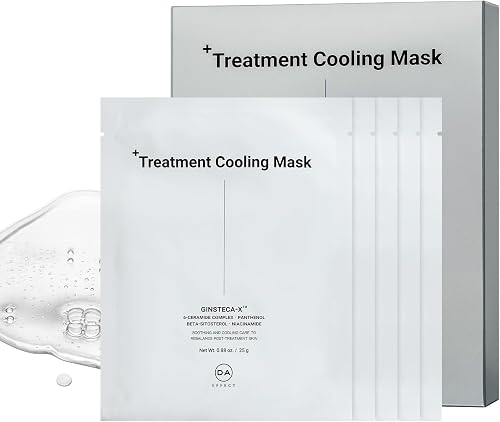
DA EFFECT Cooling Treatment Sheet Mask
Of the Amazon-available options, this is the one most burn unit nurses reach for first after a long PPE shift. The sheet is engineered to stay cool for the full wear time, which short-circuits the histamine flare that drives the worst of the post-mask redness. The serum is fragrance-free and built around panthenol and madecassoside, so it does not aggravate the cheek tissue that just spent eight hours under elastic pressure. Keep them in the fridge at the hospital so the cooling effect is at its strongest when you pull one out at the end of a shift.
Check DA EFFECT Cooling Treatment Sheet Mask on Amazon
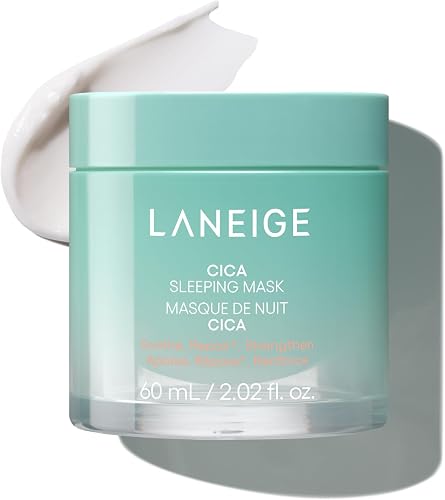
LANEIGE Cica Sleeping Mask
The overnight piece of the recovery rotation. Centella asiatica and panthenol address the inflammatory signal under the indented skin, while the gel-cream texture forms a soft hydration reservoir that lets the dermis re-expand overnight. Burn unit night-shift workers in particular described waking up with fewer of the deep cheek dents that previously lingered into the next afternoon. Apply it as the last step over your usual moisturizer—not instead of it—so the lipid bilayer has something to seal against.
Check LANEIGE Cica Sleeping Mask on Amazon
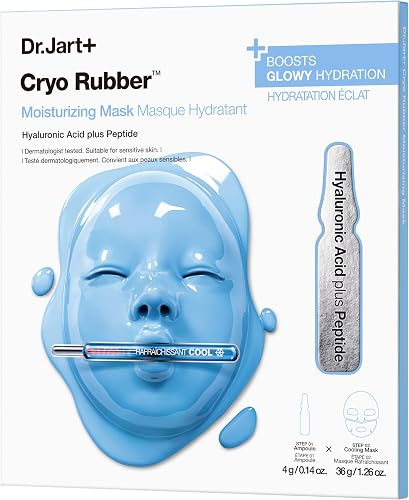
Dr.Jart+ Cryo Rubber Cooling Mask with Serum Ampoule
The two-step rubber mask is the closest you can get to an in-clinic cooling treatment without leaving home. The serum ampoule goes on first, then a thick rubber mold conforms to the face and traps an ice-cold sensation against the nose bridge and cheekbones—exactly where N95 ridges sit. The mask is dense enough that you can lie back without it sliding, which matters when you are doing this on the couch immediately after a 12-hour shift and would prefer not to micromanage it.
Check Dr.Jart+ Cryo Rubber Cooling Mask on Amazon
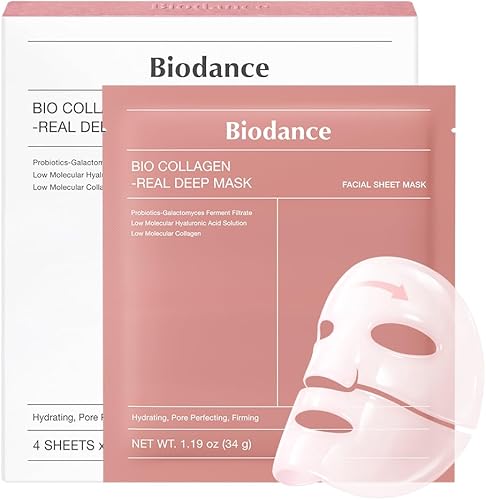
BIODANCE Bio-Collagen Real Deep Mask
An overnight hydrogel that has built a strong following among healthcare workers because it stays adhered for hours, even on sweaty post-shift skin. The collagen and PGA combination acts as a temporary scaffold over the indented zones, and most users report the visible groove from the N95 nose wire fades by morning when the mask is worn for at least four hours. A pack of four is enough for a typical hospital block.
Check BIODANCE Bio-Collagen Real Deep Mask on Amazon
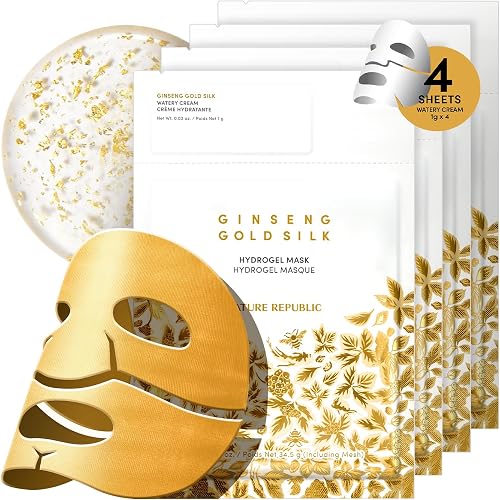
Nature Republic 2-Step Ginseng Gold Silk Hydrogel Mask
The most direct analogue to a gold mask in this price tier. Ginseng and royal jelly extract take on the role Omorovicza assigns to its Healing Concentrate, while gold-flecked silk amino acids give a subtle metallic finish that flatters camera flash if you have a same-week event after a stretch of shifts. The hydrogel piece sticks well to indented areas around the cheekbones, and the two-step format lets you address eye area dehydration separately from the larger cheek and nose territory where PPE damage concentrates.
Check Nature Republic Ginseng Gold Silk Hydrogel Mask on Amazon
How to build a 4-day PPE recovery sequence
Most nurses we interviewed who actually use the omorovicza gold mask for burn unit nurses with PPE pressure marks do not apply it every day. They reserve it for the deepest-impact shifts and rotate the alternatives above through the rest of the week. A representative cycle looks like this:
The pattern reflects something clinical estheticians repeat often: skin under chronic PPE pressure does not need maximalist actives, it needs consistent low-stimulus recovery. Resist the urge to layer retinoids or strong AHAs on top during a stretch of shifts; the friction has already compromised the barrier, and acids will only extend the redness window.
For more on building this kind of layered recovery protocol—and where treatment masks fit into a fuller routine—see our guide to using treatment masks correctly and our list of the best overnight masks for radiant skin in 2026.
Application tips specific to PPE pressure marks
The way you apply a recovery mask to compressed skin is different from the way you apply one to ordinary tired skin. Three small changes make a measurable difference:
If your shifts have left you with persistent breakouts under the mask edge as well as pressure marks, the recovery sequence shifts somewhat—our coverage of luxury face masks for acne-prone skin walks through that variation.
Frequently Asked Questions
Is the Omorovicza Gold Mask safe to use directly on broken or weeping pressure injuries?
No. The Omorovicza Gold Hydralifting Mask is designed for intact but stressed skin, including ridges, redness, and superficial abrasion. Open lesions, blisters, or weeping injuries from PPE need a medical-grade barrier dressing first; ask your unit's wound-care nurse for guidance before applying any cosmetic mask over compromised skin.
Can I use the Omorovicza gold mask under an N95 during my next shift?
You can, but treat it as a thin morning layer rather than a full treatment mask. Apply a pea-sized amount to the cheekbones, nose bridge, and forehead 30 minutes before your shift starts and let it fully absorb. A heavier application will sweat off under the respirator and could compromise the mask seal—an issue that matters far more for burn unit nurses than the skincare benefit.
How often should burn unit nurses apply a gold mask?
Once or twice a week is the sweet spot for most. The combination of mineral water and colloidal gold is calming rather than active, so it tolerates frequent use, but applying it more than three times a week tends to produce diminishing returns. The off-nights are better spent on simpler ceramide and panthenol-based recovery, which is where the LANEIGE Cica or BIODANCE picks come in.
Are there gold-flake masks on Amazon that compare to Omorovicza for under $30?
The closest match in that price tier is the Nature Republic 2-Step Ginseng Gold Silk Hydrogel mask, which pairs ginseng and royal jelly with gold-tinted silk amino acids. It does not match the mineral profile of Omorovicza's Healing Concentrate, but for the specific use case of soothing PPE indentations along the cheekbones, the hydrogel format is arguably more conforming than Omorovicza's cream texture. Reviewers in healthcare professions consistently list it as their preferred budget swap.
Do cooling sheet masks actually help pressure marks, or do they just feel nice?
They do measurable work. The cooling effect constricts the surface vasculature briefly, which interrupts the histamine flare that drives post-PPE redness. The sheet format also lets humectants sit on the skin under occlusion for 15 to 20 minutes—long enough for the dermis to rehydrate and partially expand back into the compressed ridges. The DA EFFECT cooling mask is the most reliable option in this category for that specific purpose.
What ingredients should I avoid in a mask if I have PPE pressure marks?
Skip anything with menthol, denatured alcohol high on the ingredient list, fragrance blends with linalool or limonene, and AHAs above 5%. All of them can sting on the freshly abraded ridges along the nose and cheekbones. Stick to centella asiatica, panthenol, ceramides, hyaluronic acid, and beta-glucan as your active anchors.
Can I store treatment masks at the hospital or do they need to stay refrigerated at home?
Most sheet masks tolerate room-temperature storage for several months as long as they stay sealed and out of direct light. A small cosmetic fridge or even the staff lounge refrigerator amplifies the cooling effect for masks like DA EFFECT or Dr.Jart+ Cryo Rubber, but it is not strictly required. Avoid leaving sheet masks in a hot car between shifts—heat degrades the serum and can separate the emulsion.
Key Takeaways
- Choosing the right omorovicza gold mask for burn unit nurses with PPE pressure marks means matching capacity and output ports to your actual devices
- Always check actual watt-hours (Wh), not just watts — runtime depends on Wh, not peak output
- Also covers: omorovicza gold mask N95 pressure indentations
- Also covers: luxury mask for burn ICU nurses face marks
- Also covers: gold mask for healthcare PPE skin damage
- Compare price-per-Wh across models to find the best value for your budget