If you spend your days hunched over a Caravaggio with a cotton swab of xylene or reducing a varnish with acetone, you already know that your skin is the silent third party in every conservation session. The royal fern mask for art conservators trend has surged because Royal Fern Phytoactive Anti-Pollution products were originally formulated around the fern's documented ability to neutralize oxidative damage from airborne chemicals—exactly the kind of stress that solvent fumes inflict on the stratum corneum. For conservators with reactive, fume-sensitized skin, the right treatment mask is not a luxury indulgence; it is barrier triage. Below, we explain what a royal fern mask for art conservators actually addresses, and we line up the most credible Amazon alternatives and complements when the genuine Royal Fern line is back-ordered, out of budget, or simply not enough on its own.
Why Solvent Fumes Trigger Skin Sensitivity in Conservation Studios
Volatile organic compounds—toluene, acetone, white spirits, ethanol, dichloromethane—do not need to land on your cheeks to cause damage. As they evaporate from a swab, brush, or open beaker, they pull lipids and water out of the surrounding air, including the thin film of moisture that sits on your face. Over a forty-hour week of close-quarter work, conservators report a predictable cascade: tightness across the forehead, flushed patches along the jaw where a respirator seals, and a slow erosion of the ceramide-cholesterol-fatty-acid scaffold that keeps the barrier intact. Add the cumulative effect of UV from north-facing studio windows and the dehydrating draft from a fume hood, and you have a face that behaves more like a chemical-peel patient than a healthy adult.
The royal fern (Osmunda regalis) entered cosmetic chemistry because its extract is rich in caffeoylshikimic acids and other polyphenols shown in vitro to scavenge the reactive oxygen species that solvents generate at the skin surface. That's the logic behind the original royal fern mask for art conservators recommendation: deliver antioxidant defense plus barrier-replenishing lipids in a leave-on format you can use after a long studio day. When the genuine product is unavailable, the best substitutes match three criteria: a calming antioxidant load, ceramide or peptide-driven barrier repair, and a fragrance-free or low-fragrance formulation that won't compound the chemical irritation you've already absorbed.
How to Pick a Mask When Your Skin Is Solvent-Sensitized
Look first at the actives. Centella asiatica (cica), panthenol, madecassoside, niacinamide, and bakuchiol all show research support for reducing the inflammatory cascade that fume exposure kicks off. Hyaluronic acid and squalane refill the water and lipid your fume hood pulled out. Snail mucin and PDRN are surprisingly well tolerated even on reactive skin because of their high glycoprotein content. Avoid: high-percentage AHAs, essential-oil-heavy formulas, denatured alcohol bases, and clay masks during an active flare—they will deepen the trans-epidermal water loss you are trying to reverse. For sequencing, see our using treatment masks guide, which covers timing around occupational exposure.
Comparison: Best Masks When Royal Fern Is Out of Reach
| Mask | Format | Key Calming Actives | Best For |
|---|---|---|---|
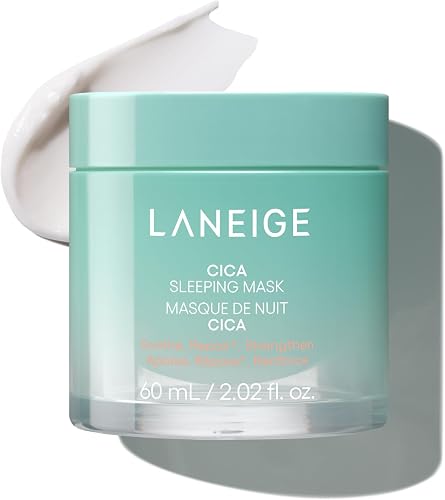
| LANEIGE Cica Sleeping Mask | Overnight gel | Centella, madecassoside | Nightly recovery after fume exposure |
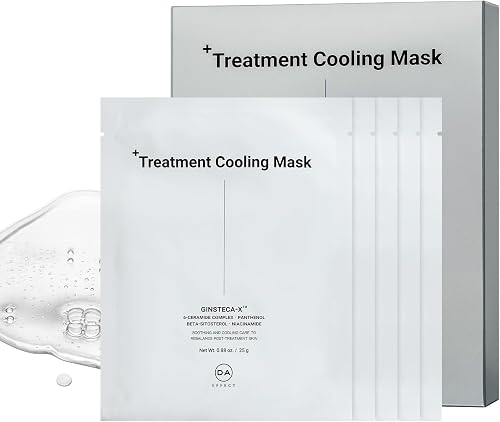
| DA EFFECT Cooling Treatment Sheet | Sheet, 5 ct | Cooling complex, post-procedure botanicals | Acute studio-day flush |
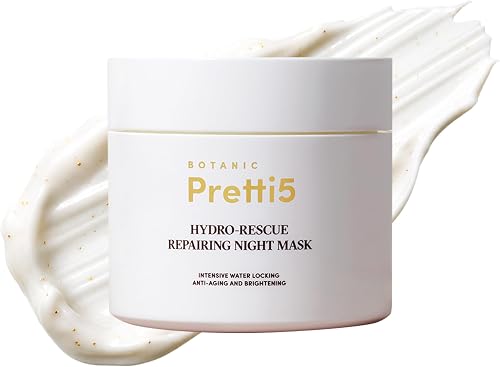
| Pretti5 Hydro-Rescue Night Mask | Cream | Snow fungus, niacinamide | Compromised barrier |
| COSRX Snail Mucin Sheet Mask | Sheet, 10 ct | 96% snail secretion filtrate | Dry, reactive cheeks |
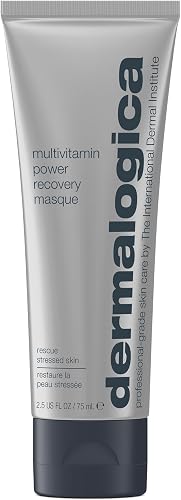
| Dermalogica Multivitamin Power Recovery | Wash-off | Vitamins A, C, E, lactic acid | Antioxidant defense day |
LANEIGE Cica Sleeping Mask — The Closest Daily Substitute
If you cannot get hold of the original royal fern mask for art conservators, this is the workhorse to reach for. The formulation centers on centella asiatica and panthenol, both of which have peer-reviewed evidence for reducing the inflammatory signaling that chemical irritants trigger. It sets to a soft, breathable film—important if you are someone who tends to wake up at 4 a.m. mentally rehearsing a tricky inpainting and don't want a sticky residue compounding the discomfort. Apply a pea-sized amount over your serum after a low-pH cleanse on studio nights. View on Amazon.
DA EFFECT Cooling Treatment Sheet Mask — The Emergency Hood-Burn Sheet
When you've spent six hours over an open dish of toluene and your face is throbbing by the time you take off the respirator, this is the one to keep in the studio mini-fridge. It is explicitly marketed for stressed, post-procedural skin, and the formula leans cool, hydrating, and quiet—no fragrance fireworks. Twenty minutes after a gentle rinse and you'll feel the heat retreat. Stock a five-pack in the lab and rotate one per acute exposure day. View on Amazon.
Pretti5 Hydro-Rescue Night Mask — Barrier Rebuild for Cumulative Damage
Solvent damage is rarely a single dramatic event; it's the slow grind of forty weeks a year next to a fume hood. This Japanese-made overnight cream is built on snow fungus polysaccharides and niacinamide, with traditional Chinese medicine botanicals selected for sensitive, barrier-compromised skin. Use it three nights a week in rotation with the LANEIGE Cica above to give your stratum corneum a real chance to rebuild between exposures. View on Amazon.
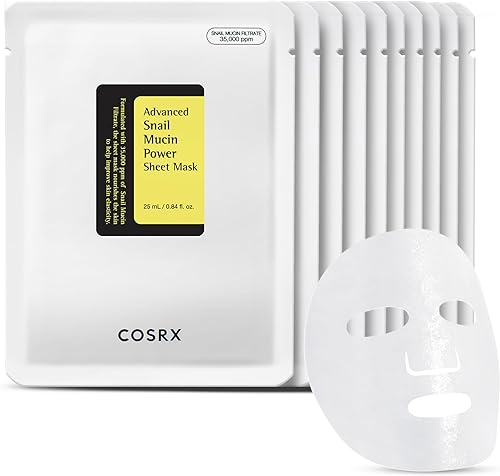
COSRX Snail Mucin Sheet Mask — The Quiet Weekly Reset
Snail secretion filtrate is one of the most consistently well-tolerated actives in clinical observation of reactive skin. The texture is wet, the essence is mild, and the ten-pack lets you build a habit without sticker shock. Use on a non-studio evening, sit with it for twenty minutes, then pat in the leftover serum—no need to rinse. Conservators with thin, dehydrated cheeks tend to notice softness returning within the first week. View on Amazon.
Dermalogica Multivitamin Power Recovery Masque — Daytime Antioxidant Insurance
Where the others repair, this one defends. Vitamins A, C, and E plus lactic acid load the skin with antioxidants the same way the original royal fern formulation does, just through a different botanical route. Apply for ten minutes on a Saturday morning before any planned weekend studio session and you'll start the week with a topped-up antioxidant reserve, ready to take the hit from whatever's open on your bench. Skip during an active flare. View on Amazon.
A Realistic Weekly Routine for Solvent-Exposed Skin
Monday through Friday after the studio, alternate the LANEIGE Cica and Pretti5 Hydro-Rescue. Keep the DA EFFECT cooling sheets in cold storage for any day where your respirator seal feels hot when you peel it off—usually a sign that your cheeks have already inflamed. Reserve the COSRX snail sheet for a quieter weekend evening, and book the Dermalogica Multivitamin as a Sunday morning antioxidant ritual. For more on tailoring frequency to occupational exposure, our luxury face mask frequency guide walks through dose-response thinking for compromised skin. And if you're new to the category entirely, the choose the right luxury face mask overview is worth ten minutes before you add anything else to a cart.
What the Royal Fern Original Actually Does Differently
For full transparency: when you can get the authentic Royal Fern Phytoactive Anti-Aging Mask or Renewal Mask, it bundles fern extract with hyaluronic acid, peptides, and a deliberately minimal preservative system. The brand's positioning around pollution and environmental stressors maps closely onto what conservators experience. The substitutes above don't replicate the fern polyphenol fingerprint, but they do hit the same downstream targets—antioxidant load, barrier lipids, anti-inflammatory botanicals. If you have a clinical-grade sensitivity (true contact dermatitis confirmed by patch testing), neither Royal Fern nor any of these will substitute for occupational medicine input; they support, they don't cure.
Frequently Asked Questions
Can a royal fern mask actually neutralize solvent fume damage on contact?
Not in the strict toxicological sense. What it does, based on the published in vitro work on fern polyphenols, is quench the reactive oxygen species that solvents generate at the skin surface. That blunts the inflammatory cascade and reduces the visible flushing, but it doesn't change the underlying exposure. Respirator fit, ventilation, and PPE remain primary; the mask is secondary mitigation.
Is it safe to use a treatment mask the same day I've been exposed to xylene or acetone?
Yes, provided you cleanse first with a low-pH, fragrance-free cleanser and wait until your skin no longer feels actively warm. Apply a calming, barrier-focused mask like LANEIGE Cica rather than anything exfoliating. Avoid AHAs, BHAs, retinol-heavy formulas, and clay masks on exposure days—they compound the damage rather than soothe it.
How often should art conservators with sensitized skin use a treatment mask?
Three to four times a week during active project periods is reasonable. Overnight calming masks like cica or snow fungus formulas can go nightly if tolerated. Reserve antioxidant wash-off masks for once or twice a week, and use cooling sheets only on acute-exposure days.
What's the difference between a royal fern mask and a standard hydrating mask for chemical sensitivity?
Hydrating masks address water loss; royal fern formulations add a documented antioxidant pathway specifically associated with airborne pollutants. For solvent-exposed skin, you want both—hydration to refill what evaporated, and antioxidants to mop up the free radicals left behind. See our luxury face mask vs treatment mask breakdown for the category distinction.
Can I wear a treatment mask under my respirator during long sessions?
No. The occlusion behind a respirator seal traps heat and any volatile leftover from the mask formula, which can intensify irritation and compromise the respirator's fit. Apply masks only after you've cleaned up and your face has cooled. Some conservators apply a thin layer of pure squalane oil under the respirator instead, which is occlusive and inert.
Are sheet masks or overnight creams better for fume-related sensitivity?
Sheet masks deliver intense, immediate hydration and are useful for acute flares; overnight creams build cumulative repair over weeks. Conservators benefit most from rotating both: a sheet on bad-exposure days, an overnight gel on routine nights.
What ingredients should solvent-sensitized skin absolutely avoid in a mask?
Denatured alcohol high in the ingredient list, essential oils at significant concentration (especially citrus, peppermint, eucalyptus), high-percentage glycolic or salicylic acids during an active flare, and heavy synthetic fragrance. When in doubt, choose a formula labeled for sensitive or post-procedure skin.
Key Takeaways
- Choosing the right royal fern mask for art conservators means matching capacity and output ports to your actual devices
- Always check actual watt-hours (Wh), not just watts — runtime depends on Wh, not peak output
- Also covers: royal fern phytoactive mask solvent exposure
- Also covers: art conservator skincare chemical fumes
- Also covers: luxury mask for solvent fume sensitivity
- Compare price-per-Wh across models to find the best value for your budget