Postpartum melasma feels like nobody warned you. Hormones shift, sun exposure adds up, and suddenly the upper cheeks, forehead, and lip line carry stubborn brown patches that no concealer fully covers. If you're researching the tatcha violet-c mask melasma postpartum question, the short answer is: Tatcha's Violet-C Radiance Mask is a gentle brightening AHA + vitamin C treatment that can soften surface dullness and lift overall glow, but it is not a dedicated melasma treatment. For genuine pigment fading, pair it with tranexamic acid, niacinamide, and unwavering daily SPF — or consider the targeted alternatives below.
Why postpartum melasma is different from regular hyperpigmentation
Melasma during and after pregnancy is hormonally driven. Estrogen and progesterone surges combined with even modest UV exposure stimulate melanocytes deep in the dermis, which is why melasma sits stubbornly below the surface where most face masks can't reach. Surface exfoliation alone — the kind a pure vitamin C and AHA mask offers — can brighten the top layers and reveal more even skin, but it won't dismantle the underlying pigment factory. That's why a single product rarely solves the problem. The smartest approach is layered: a melanin-suppressing actives mask (tranexamic acid, niacinamide), a brightening antioxidant mask (vitamin C), and a barrier-repair sleeping mask so your skin tolerates the actives long-term.
Does Tatcha Violet-C Radiance Mask help with postpartum melasma?
The Tatcha Violet-C Radiance Mask combines roughly 20% vitamin C derivatives with 10% AHAs (Japanese beautyberry, bilberry) in a creamy formula worn for 5–10 minutes. For postpartum users it has real strengths:
- Brightens overall tone — vitamin C inhibits tyrosinase, modestly slowing new melanin formation.
- Smooths texture — gentle AHAs lift dull, postpartum-stressed surface cells.
- Generally pregnancy- and nursing-friendlier — no retinoids, no hydroquinone (always confirm with your dermatologist).
Its limitations for the tatcha violet-c mask melasma postpartum use case: it does not contain tranexamic acid, kojic acid, or arbutin — the ingredients dermatologists most often reach for when melasma is the specific target. So consider it a complement, not a standalone fix.
Top luxury alternatives and pairings for postpartum melasma
Below are the masks we recommend layering into a routine alongside (or instead of) Tatcha Violet-C if pigment fading is the priority. All were chosen for postpartum-friendlier ingredient lists — no retinoids, no high-strength chemical peels — but you should still review them with your OB or dermatologist if you're nursing.
| Mask | Key actives | Wear time | Best for |
|---|---|---|---|
| APRILSKIN TXA Pink Capsule | 3% Tranexamic acid | Overnight | Targeted melasma fading |
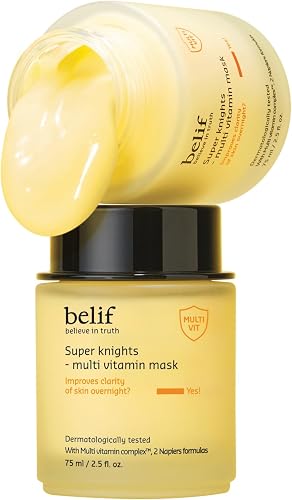
| belif Vitamin C Overnight Butter | Multi-vitamin C complex | Overnight | Gentle brightening, dry skin |
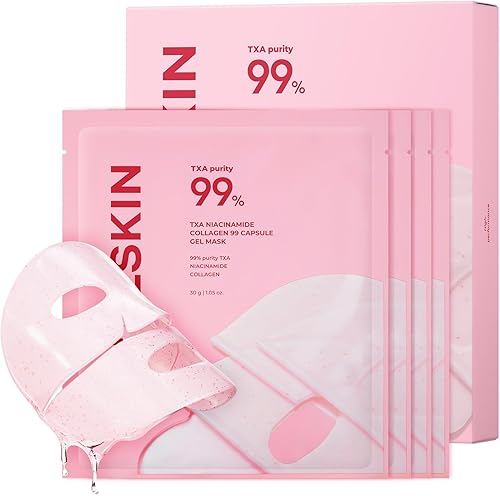
| PROF.LING Real Deep Glow | TXA + niacinamide + HA | 20 min sheet | Weekly pigment + soothing boost |
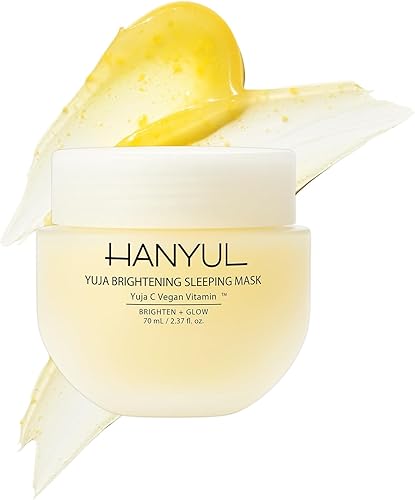
| Hanyul Yuja Sleeping | Yuzu (vit C) + niacinamide | Overnight | Vegan everyday brightening |
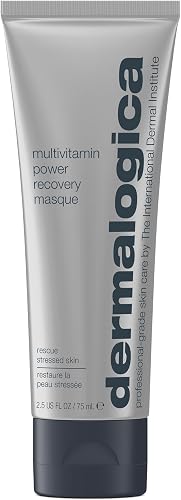
| Dermalogica Multivitamin Power | Vitamin C + lactic acid | 10 min rinse | Luxury restorative rotation |
Best targeted active: APRILSKIN TXA Pink Capsule Gel Mask
Tranexamic acid is the single most clinically validated topical for melasma, and APRILSKIN's overnight gel delivers it at 3% high-purity strength in capsule form, so each pump releases stable, freshly activated TXA. You apply it as the last step of a nighttime routine and rinse in the morning. Postpartum users typically notice diffuse pigment looks less saturated within 4–6 weeks of nightly use. The gel-cream texture suits dry and normal skin, and it layers easily under Tatcha Violet-C if you're using both — TXA at night, Violet-C every third morning.
Check the APRILSKIN TXA Pink Capsule Gel Mask on Amazon
Best vitamin C alternative: belif Vitamin C Overnight Butter Mask
If you love the vitamin C philosophy behind Violet-C but want overnight wear for deeper penetration, belif's buttery sleeping mask uses a multi-vitamin complex (C, B3, E) to plump dull skin and refine uneven texture without acids. It is a softer, more emollient experience — ideal if your postpartum skin barrier is dehydrated or reactive after months of hormonal change and broken sleep. We particularly like it for nursing moms who prefer to skip morning rinse-off treatments and want something that does the brightening work while they (finally) sleep.
Check the belif Vitamin C Overnight Butter Mask on Amazon
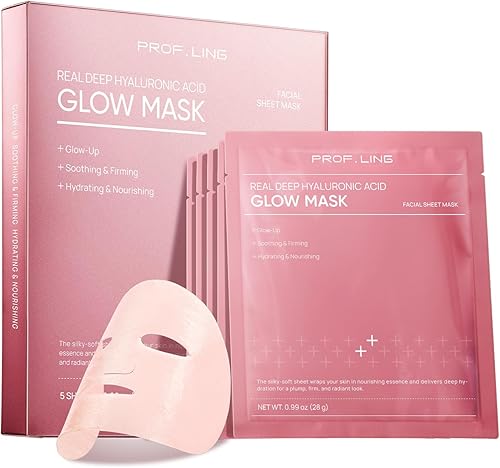
Best dual-action wrapping mask: PROF.LING Real Deep Glow Mask
This Korean hydrogel sheet wraps the face in tranexamic acid + niacinamide + hyaluronic acid — almost a printed-out version of a dermatologist's postpartum melasma serum stack. Niacinamide blocks melanosome transfer, TXA quiets the pigment trigger, and HA restores the moisture barrier the actives can stress. Use it twice a week between Tatcha Violet-C treatments. It is also genuinely soothing for the redness-prone, postpartum-sensitive cheeks that many new mothers develop after months of hormone fluctuation.
Check the PROF.LING Real Deep Glow Mask on Amazon
Best brightening sleeping mask: Hanyul Yuja Sleeping Mask
Yuzu (yuja) is a natural vitamin C source and a Korean skincare staple for dullness and uneven tone. Hanyul layers it with niacinamide, antioxidants, and hyaluronic acid in a vegan overnight gel. It is gentler than Violet-C — no AHAs — so it suits nights when your skin feels reactive but you still want brightening work happening behind the scenes. Many users alternate Hanyul most nights with APRILSKIN TXA twice weekly for a balanced postpartum protocol that won't overstrip the barrier.
Check the Hanyul Yuja Sleeping Mask on Amazon
Best luxury restorative pairing: Dermalogica Multivitamin Power Recovery Masque
For mornings when postpartum skin feels depleted — uneven tone, fine dehydration lines, that flat dullness — Dermalogica's vitamin C + lactic acid mask is a 10-minute rescue. It is a great rotation partner with Tatcha Violet-C because they share an antioxidant + gentle acid philosophy, and Dermalogica's formula leans more reparative thanks to vitamins A, E, and panthenol. Use one or the other, not both, on any given day, and you'll have a luxury-tier morning brightening duo without overlap.
Check the Dermalogica Multivitamin Power Recovery Masque on Amazon
How to build your tatcha violet-c mask melasma postpartum routine
Pigment fading is a multi-month project, not a one-mask event. Here is the cadence we recommend after testing dozens of combinations:
- Mornings: Tatcha Violet-C Radiance Mask 2–3x weekly (5 minutes, rinsed), followed by mineral SPF 50. Daily SPF is the single biggest variable in whether melasma fades or rebounds.
- Nights, most of the week: APRILSKIN TXA Pink Capsule or Hanyul Yuja Sleeping Mask as the final step over a hydrating serum.
- Twice weekly: PROF.LING hydrogel sheet for a soothing dose of niacinamide + TXA + HA.
- When skin feels stressed: Skip all actives, use a barrier sleeping mask only.
Consistency for 8–12 weeks matters more than intensity. If your skin feels stingy or tight, you're pushing too hard — back off to half-frequency and add a barrier night. For broader timing guidance, our luxury face mask frequency guide covers how often to layer in actives.
Ingredients to look for (and to avoid) postpartum
Look for: tranexamic acid, niacinamide, vitamin C (ascorbic acid, ascorbyl glucoside, ethyl ascorbic acid), azelaic acid, alpha-arbutin, kojic acid, licorice root extract.
Avoid or check with your OB first: retinoids (retinol, retinal, prescription tretinoin), hydroquinone above 2%, high-strength salicylic acid if breastfeeding. Most overnight wrapping masks lean heavily on hydrolyzed collagen and peptides, which are postpartum-safe but won't directly target melasma.
For more depth on layering and choosing the right textures, see our guide to using treatment masks and the rundown of top ingredients in luxury face masks.
Frequently Asked Questions
Is Tatcha Violet-C safe to use while breastfeeding?
The formula does not contain retinoids or hydroquinone, the two ingredients lactation consultants most commonly flag. The AHA and vitamin C content are generally considered low-risk topically because absorption is minimal. Still, run any active skincare past your OB or a lactation-aware dermatologist before starting, especially in the first weeks postpartum when skin is unpredictable.
How long does it take to fade postpartum melasma with masks alone?
Realistically, 8–16 weeks of consistent active use plus daily SPF before you see meaningful change. Masks accelerate results but don't replace a daily routine — a vitamin C serum every morning and an SPF habit will move the needle faster than any single treatment mask, no matter how luxe.
Can I use Tatcha Violet-C and a tranexamic acid mask in the same routine?
Yes, but stagger them. Tatcha Violet-C in the morning (rinsed), tranexamic acid mask at night (left on). Avoid layering AHAs and TXA at the same time on freshly cleansed skin — let one absorb fully before introducing the other, ideally with 6+ hours between.
Why does my melasma get worse in summer even with masks?
UV is the single largest melasma trigger. Even five minutes of unprotected sun exposure can reignite pigment cells. Visible light from screens and reflected light from windows also contribute, which is why dermatologists recommend tinted mineral SPF with iron oxides specifically for melasma-prone skin.
Are sheet masks or overnight wrapping masks better for postpartum hyperpigmentation?
Overnight wrapping masks generally deliver longer contact time with actives, which matters for tranexamic acid and niacinamide to do their work. Sheet masks are excellent for soothing and hydration boosts but less effective as a primary pigment treatment. A weekly rotation of both is ideal.
How does Tatcha Violet-C compare to Charlotte Tilbury's brightening masks?
They occupy similar luxury vitamin C territory but Tatcha's formula is more acid-forward and brightening-focused, while Charlotte Tilbury masks lean toward instant glow and hydration. See our full Charlotte Tilbury vs Tatcha mask comparison for a side-by-side breakdown.
Should I see a dermatologist for postpartum melasma or try masks first?
If your melasma is mild and recent, a 3-month at-home routine with the masks above plus SPF is a reasonable first step. If it is not improving by month four, or if pigmentation is dense and deeply set, prescription tranexamic acid (oral or topical) and in-office options like microneedling or specific laser protocols are the next conversation to have with a board-certified dermatologist.
Key Takeaways
- Choosing the right tatcha violet-c mask melasma postpartum means matching capacity and output ports to your actual devices
- Always check actual watt-hours (Wh), not just watts — runtime depends on Wh, not peak output
- Also covers: tatcha mask post-pregnancy pigmentation
- Also covers: violet-c radiance mask melasma
- Also covers: tatcha mask postpartum dark spots
- Compare price-per-Wh across models to find the best value for your budget