Working the bow rail at sunrise, scrubbing teak in 30-knot wind, plating canapés at the aft deck cocktail hour—yacht crew skin takes a beating most spa estheticians never see. If you have landed here looking for the Tom Ford Intensive Treatment mask for yacht crew dealing with chronic salt spray damage, you are in the right place. The Tom Ford Intensive Treatment Mask is a creamy, lipid-rich overnight treatment designed to flood compromised skin with moisture, ceramides, and antioxidants—exactly what crew faces need after a charter season of UV, wind, salt aerosol, and dehydrating air-conditioned cabins. Below is a complete recovery protocol, a comparison table of the most useful supporting masks you can stash in your crew quarters, and answers to the questions deck and interior crew actually ask.
Why salt spray damage is different from regular sun damage
Salt aerosol does three things to crew skin simultaneously. First, sodium ions draw water out of the stratum corneum through reverse osmosis, leaving the surface tight, flaky, and crepey across the forehead and cheekbones. Second, dried salt crystals act like microscopic abrasives every time you squint or smile, creating micro-fissures in the barrier where wind and UV can do further damage. Third, the constant cycle of wet-dry-wet-dry breaks down the lipid mortar between corneocytes, so even when you finally moisturize, the product evaporates instead of staying put.
The Tom Ford Intensive Treatment Mask targets the third problem—lipid replenishment—better than almost anything in the prestige category. But it works best when paired with deep-hydration sheet masks for the first two problems. A smart crew skincare kit layers them in sequence rather than relying on any single product.
The 72-hour crew recovery protocol
If you have just finished a long passage or a back-to-back charter and your skin feels like parchment, here is the rotation that actually works in a tight crew cabin schedule.
- Night 1 — Flood: A high-humectant hydrogel mask to rehydrate the surface.
- Night 2 — Repair: A barrier-repair sleep mask or the Tom Ford Intensive Treatment Mask layered thick.
- Night 3 — Soothe: A cooling, calming sheet mask to reduce residual redness and salt-burn inflammation before crew photos or guest turnover.
The Tom Ford Intensive Treatment mask for yacht crew works as the centerpiece of Night 2 because its occlusive cream texture seals in everything you have layered underneath—essences, peptide serums, ceramide creams—without sliding off in a humid cabin.
Comparison table: supporting masks for the crew skincare kit
| Mask | Best for | Format | Cabin-friendly? |
|---|---|---|---|
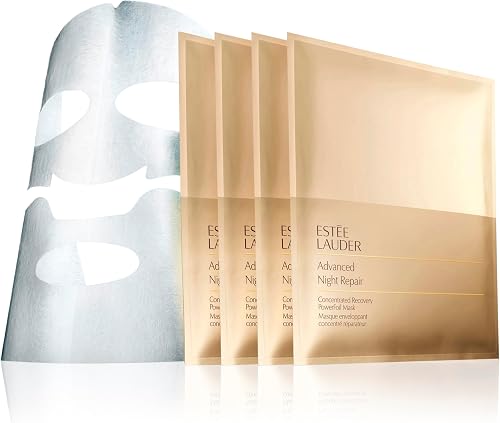
| Estée Lauder Advanced Night Repair PowerFoil | Antioxidant repair after UV exposure | Foil sheet mask | Yes — flat, sealed, 4 per box |
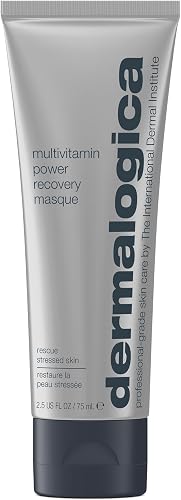
| Dermalogica Multivitamin Power Recovery Masque | Sun-damaged, environmentally stressed skin | Cream rinse-off | Yes — small tube, no fridge needed |
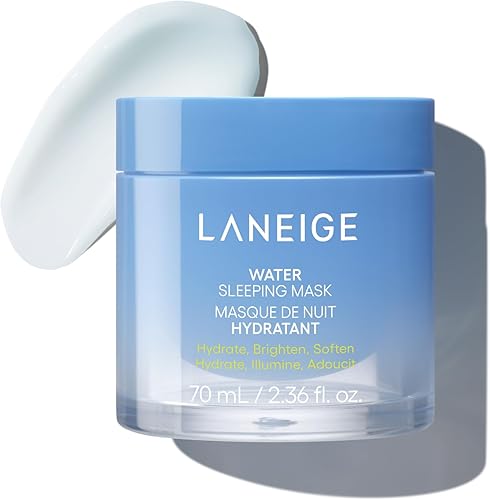
| LANEIGE Water Sleeping Mask | AC-cabin dehydration overnight | Gel sleep mask | Yes — jar, but works in pumps |
| BIODANCE Bio-Collagen Real Deep Mask | Salt-stripped barrier, single-use sterility | Hydrogel overnight sheet | Excellent — individually sealed |
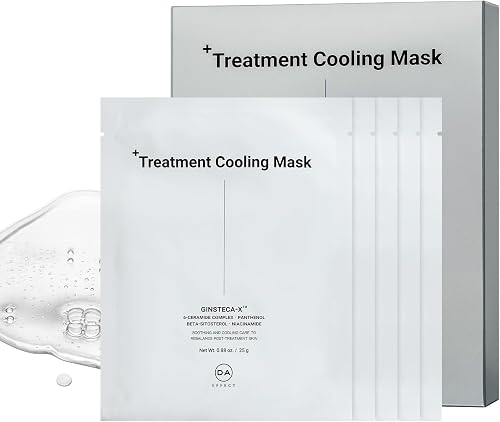
| DA EFFECT Cooling Treatment Sheet | Post-charter redness and irritation | Cooling sheet mask | Yes — flat packs, no melting risk |
Pairing the Tom Ford mask with the right supporting cast
The Tom Ford Intensive Treatment mask for yacht crew works hardest when you give it a clean, hydrated canvas. Apply a humectant-saturated mask first—something with hyaluronic acid, glycerin, or PDRN—then layer the Tom Ford cream as the occlusive seal. Below are the supporting products that crew chiefs and interior stews have quietly built routines around for years.
Estée Lauder Advanced Night Repair PowerFoil Mask
The foil backing on this sheet mask is the underrated feature. On a yacht, humidity swings wildly between the engine room, the laundry, and the guest cabins—a regular cotton sheet mask dries out before it finishes working. The foil seals the serum against your skin and forces every drop of the Advanced Night Repair concentrate to absorb. The serum itself is loaded with the same antioxidant complex as the iconic brown bottle, which is why crew who already use ANR as their daily serum reach for these on charter turnover nights. Four masks per box also fits perfectly inside a small cabin drawer.
Check the Estée Lauder Advanced Night Repair PowerFoil Mask on Amazon
Dermalogica Multivitamin Power Recovery Masque
If your skin is past the dehydration stage and into actual sun damage—flaking, hyperpigmentation around the temples, a leathery feel across the cheekbones—you need active repair, not just hydration. The Dermalogica Multivitamin Power Recovery Masque combines vitamin C, vitamin E, vitamin A, and lactic acid to gently resurface and brighten while feeding the skin antioxidants. It is a rinse-off cream you can do in fifteen minutes between the crew dinner and your shower, which makes it realistic for the 12-hour days yacht crew actually work. Pros use it weekly throughout charter season as a course-correction for accumulated UV and salt exposure.
Check the Dermalogica Multivitamin Power Recovery Masque on Amazon
LANEIGE Water Sleeping Mask
Yacht cabins are notoriously dry. The AC runs hard to keep guest areas at 68°F, and crew quarters often share the same system. Eight hours of that air pulls moisture out of skin faster than a deck shift in the wind. The LANEIGE Water Sleeping Mask is the cabin-life solution: a gel-cream you smooth on after your night cream that releases hydration slowly through the night. It pairs beautifully under the Tom Ford Intensive Treatment Mask on alternating nights, or replaces it entirely on shoulder-season trips when your barrier is intact but the AC is brutal.
Check the LANEIGE Water Sleeping Mask on Amazon
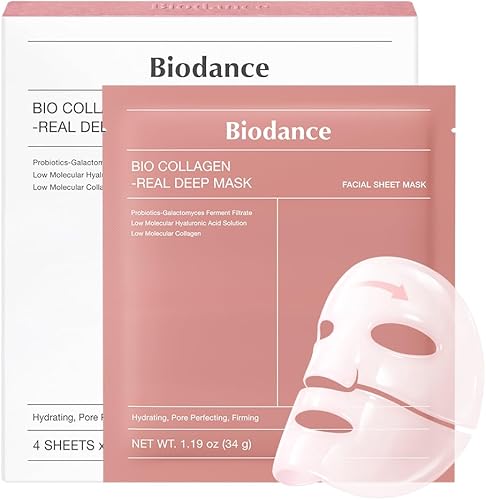
BIODANCE Bio-Collagen Real Deep Mask
The reason this overnight hydrogel keeps showing up in crew skincare kits is sanitation. Each mask is individually sealed, sterile, and single-use—which matters when you are sharing a head with two other stews and cross-contamination from open jars is a real concern. The hydrogel adheres to your face overnight and slowly delivers collagen, hyaluronic acid, and panthenol to compromised skin. Crew often use one of these on Night 1 of the recovery protocol to flood salt-stripped skin before switching to the Tom Ford cream on Night 2. Four masks per box, sealed flat, slide into any uniform drawer.
Check the BIODANCE Bio-Collagen Real Deep Mask on Amazon
DA EFFECT Cooling Treatment Sheet Mask
For the morning of a guest welcome or a crew photo, when your face still looks wind-burned and slightly inflamed from a long passage, a cooling treatment sheet mask earns its place. The DA EFFECT cooling sheet is designed for post-procedure use—after lasers, peels, or extractions—which makes it ideal for the analogous trauma of repeated salt spray and UV exposure. Twenty minutes before service, it visibly reduces redness, calms the cheekbones and forehead, and leaves a smooth base for sunscreen and minimal makeup. Five sheets per pack means a charter's worth of insurance for under fifteen dollars.
Check the DA EFFECT Cooling Treatment Sheet Mask on Amazon
How to actually use the Tom Ford Intensive Treatment Mask on a yacht
The jar is small and the cream is rich, so a little goes a long way—roughly a pea-sized amount for the full face. Crew who use it on charter weeks tend to follow this sequence after a long deck shift:
- Rinse face with lukewarm fresh water to dissolve any salt residue. Avoid hot water, which strips lipids further.
- Apply a gentle low-foam cleanser. Cream cleansers preserve more of the lipid layer than gels.
- Pat in a humectant essence or toner—anything with glycerin, panthenol, or hyaluronic acid.
- Apply your usual serum or a layer of a hydrating sheet mask essence.
- Massage in a generous layer of the Tom Ford Intensive Treatment Mask. Leave it on as a sleep mask—you do not need to rinse.
- Wake up, splash with cool water, apply SPF before your morning watch.
On the nights you are running on four hours of sleep before guest arrival, even a 20-minute application before a quick shower will deliver visible plumping by morning.
Charter-season skincare logistics
The biggest mistake crew make with luxury masks is treating them like emergency supplies instead of preventive maintenance. By the time your skin is visibly damaged, you are weeks behind. A sustainable rotation looks like this:
- Daily: Mineral SPF reapplied every two hours on deck, ceramide moisturizer twice a day.
- Weekly: One overnight occlusive mask (Tom Ford or BIODANCE) and one antioxidant/recovery mask (Dermalogica or Estée Lauder).
- As needed: Cooling sheet masks 20 minutes before guest service or crew photos.
For deeper guidance on building your routine around treatment masks specifically, our guide to using treatment masks walks through how often to layer occlusives, humectants, and actives without overloading the barrier. If you are still deciding which overnight format suits your skin type, the best overnight masks for radiant skin in 2026 roundup compares the leading cream, gel, and hydrogel options head-to-head.
What about budget alternatives for new crew?
The Tom Ford Intensive Treatment mask for yacht crew is the gold-standard occlusive, but new green crew on stipend budgets can build a credible recovery kit for a fraction of the cost. The LANEIGE Water Sleeping Mask handles overnight hydration, BIODANCE handles sterile single-use barrier flooding, and the Dermalogica masque handles weekly antioxidant repair. Together, that trio runs about a third of the price of the Tom Ford jar and covers 80 percent of what salt-damaged crew skin needs. Promotion-track crew who have stabilized their budget can add the Tom Ford as their year-three upgrade.
For broader skin-type guidance—dry, dehydrated, oily-but-dehydrated, sensitive—our breakdown of top hydrating treatment masks for dry skin in 2026 goes deeper on which actives play well with compromised barriers.
Frequently Asked Questions
How often should yacht crew use the Tom Ford Intensive Treatment Mask during charter season?
During active charter weeks, two to three nights per week is the sweet spot. Daily use of such a rich occlusive can clog pores on the chin and jawline if you are also wearing SPF and sweating through deck shifts. Reserve the mask for nights after the most punishing salt-spray days and alternate with a lighter hydrogel sleep mask on intermediate nights.
Can I use the Tom Ford mask if I have acne-prone skin from wearing a uniform shirt all day?
Use it selectively. Apply only to the dry zones—cheekbones, temples, forehead, jawline—and skip the nose, chin, and any breakout-prone areas. Pair with a lightweight gel moisturizer on the oilier zones. If your acne is uniform-related friction acne, address the friction first; a barrier-repair cream will not outwork a tight collar.
Does the Tom Ford Intensive Treatment Mask help with the deep crease lines deckhands get from squinting?
It helps soften the appearance temporarily through plumping and hydration, but it does not erase structural lines from years of UV and squinting. Pair it with a polarized sunglasses habit on deck, daily SPF, and a retinoid serum two to three nights per week. The mask is the maintenance and recovery tool, not the corrective treatment.
What is the best mask for the morning of a guest welcome after a rough overnight passage?
A cooling treatment sheet mask 20 to 30 minutes before service. The DA EFFECT Cooling Treatment Sheet or a chilled Estée Lauder PowerFoil mask will reduce visible redness, depuff, and create a smooth base for SPF and uniform. Save the Tom Ford for the night, not the morning—it is too occlusive for under-makeup wear.
Will the Tom Ford mask survive being stored in a hot crew cabin without a refrigerator?
Yes, for a season. The cream formulation is shelf-stable at typical cabin temperatures up to about 80°F. Avoid storing it on a windowsill or anywhere it gets direct sun, and keep the jar tightly closed to prevent oxidation of the antioxidants. If you have access to a crew mess fridge, a few cool nights extend the texture and effectiveness, but it is not required.
How do I treat salt spray damage on my neck and chest, not just my face?
Extend your face routine downward. After applying the Tom Ford mask, use the remaining product on your neck, décolletage, and the back of your hands—all chronic deck-exposure zones. For dedicated body coverage during a recovery week, a larger jar of the Dermalogica Multivitamin Power Recovery Masque can stretch to cover the chest and forearms once or twice weekly.
Is there a faster alternative for emergency salt-burn recovery between guest trips?
For acute flare-ups, combine a sterile single-use overnight hydrogel like BIODANCE with a morning cooling sheet mask. The overnight hydrogel floods the barrier with collagen and hyaluronic acid while you sleep, and the morning cooling mask reduces residual inflammation before you go back on deck. This two-step turnaround can rescue compromised skin in 12 to 18 hours when you do not have three full nights for the standard recovery protocol.
Final word for crew building a real recovery kit
The Tom Ford Intensive Treatment Mask earns its place in a yacht crew skincare kit because it does one specific job—deep lipid replenishment for stripped, salt-damaged skin—better than nearly anything in the prestige category. But it is not a standalone solution. Pair it with a humectant-rich hydrogel for flooding, an antioxidant recovery cream for accumulated UV damage, and a cooling sheet mask for pre-service rescue, and you have a four-product system that can carry you through a full charter season without your face looking like it spent six weeks at sea.
Key Takeaways
- Choosing the right Tom Ford Intensive Treatment mask for yacht crew means matching capacity and output ports to your actual devices
- Always check actual watt-hours (Wh), not just watts — runtime depends on Wh, not peak output
- Also covers: Tom Ford mask for superyacht stewardesses
- Also covers: yacht crew salt spray sun damage repair
- Also covers: Tom Ford luxury mask sailor skin
- Compare price-per-Wh across models to find the best value for your budget