Working a hot bakery shift means hours of standing over 450°F deck ovens, steam blasts from proof boxes, and constant temperature swings that wreak havoc on facial capillaries. The Valmont Elixir des Glaciers mask for bakery chef rosacea is purpose-built for this kind of vascular stress, combining Swiss glacial water, biopeptides, and a cooling cream-gel matrix that calms the persistent flushing many pastry chefs and bread bakers develop after years near the hearth. If you've watched your cheeks turn permanent crimson after morning service, or noticed visible broken capillaries climbing along your nasolabial folds, this guide walks through what actually works for occupational, heat-triggered rosacea on professional bakers' skin in 2026.
Why oven-heat rosacea hits bakers harder than office workers
Rosacea is a vascular disease at its core: small blood vessels in the face dilate too aggressively in response to triggers, then fail to fully contract back down. For most people, the triggers are wine, spicy food, or stress. For bakers, the trigger is your entire workplace. A typical bread oven radiates surface temperatures of 200-260°C, and even with proper PPE your face is exposed every time you load, turn, or pull product. Pastry chefs working sugar at the stove deal with localized 160°C plumes. Croissant laminators face cold rooms, then hot ovens, then cold rooms again — a rapid vasodilation cycle that destroys capillary tone over years.
Add the kitchen humidity from steam injection, occlusive chef's hats trapping sweat, the constant low-grade dehydration from forgetting to drink water during service, and you have a perfect storm. Most off-the-shelf rosacea treatments were designed for dietary or environmental triggers, not occupational heat exposure measured in hours per day.
What makes Valmont Elixir des Glaciers the right anchor for a baker's regimen
Valmont's Elixir des Glaciers line uses water sourced from Swiss alpine glaciers, naturally cold-filtered through millennia of mineral rock. The signature mask — sold under names like Le Masque Précieux des Glaciers and Cellular Energy Mask — combines this glacial water with DNA-HP and RNA-HP marine biopolymers, a triple-DNA cell complex, and Pro-EGF peptides. For oven-heat rosacea, three things matter: the cool-touch sensation that gives immediate vasoconstriction relief, the lipid-replenishing complex that restores barrier function broken down by repeated heat exposure, and the absence of common rosacea irritants (no essential oils, no menthol, no high-percentage acids).
The Valmont mask is not the only thing a bakery chef with rosacea needs, though. At roughly $400-$680 a jar, it's a once-or-twice-weekly treatment, not a daily product. You need a layered rotation: cooling sheet masks for post-shift recovery, a cica overnight mask for barrier repair while you sleep, and a deep hydrator for the dehydrated cheek zones that flush worst. The picks below were chosen specifically for bakers — they avoid fragrance loads that compete with vanilla and butter aromas, skip stinging actives, and prioritize cooling and barrier ingredients.
Comparison: supporting masks for the Valmont rotation
| Mask | Best use for bakers | Cooling effect | Format |
|---|---|---|---|
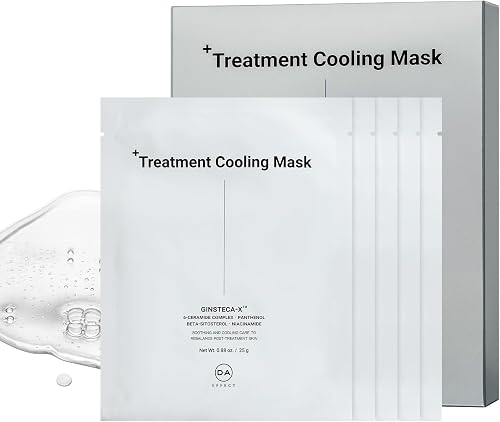
| DA EFFECT Cooling Treatment Sheet | Immediately after a long oven shift | Strong | Sheet, single-use |
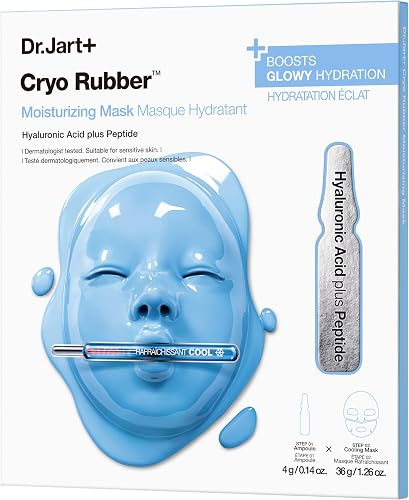
| Dr.Jart+ Cryo Rubber Cooling | Weekend reset after a heavy production week | Very strong | Rubber mask + ampoule |
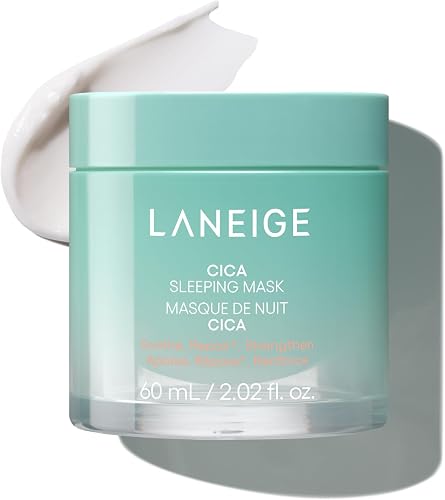
| LANEIGE Cica Sleeping Mask | Nightly barrier repair | Mild | Overnight cream |
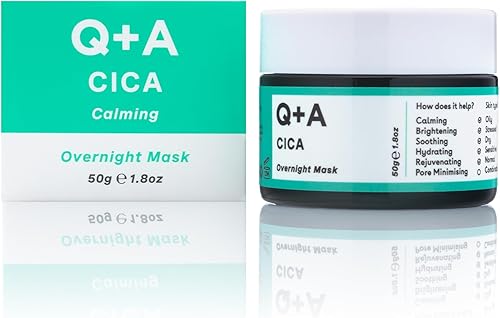
| Q+A Cica Overnight Face Mask | Budget-friendly weeknight option | Mild | Overnight gel |
| Blue Lagoon Hydrating Overnight Mineral | Pre-shift barrier prep | Neutral | Sleep mask cream |
DA EFFECT Cooling Treatment Sheet Mask
This is the mask to keep in a kitchen mini-fridge alongside your starter cultures. It was formulated for post-procedure cooling — think after a laser treatment — which translates almost directly to the post-deck-oven flush state. The sheet itself is engineered to hold cooling for 20+ minutes, and the essence contains panthenol and centella to calm reactive skin. Bakers report putting one on within 30 minutes of clocking out, lying down in the staff room or at home, and watching the cheek redness drop visibly by the time the mask comes off. At 25g per sheet across five sheets per box, it's the post-shift workhorse that lets Valmont do its deeper work twice a week instead of every day.
Check DA EFFECT Cooling Treatment Sheet Mask on Amazon
Dr.Jart+ Cryo Rubber Cooling Korean Face Mask
The rubberized format is what makes this one special for occupational rosacea. You apply the included serum ampoule, then press the firm, cold-feeling rubber mask over it. The rubber holds temperature against skin in a way sheet masks cannot, dropping surface temp measurably and giving your dilated vessels a real chance to contract. Save this one for your day off after a week of heavy production — Christmas season, wedding cake week, Easter prep. The cooling intensity is too much for daily use, but as a once-weekly reset alongside the Valmont mask, it's exceptional. Avoid using both on the same day; the actives can compound and over-strip.
Check Dr.Jart+ Cryo Rubber Cooling Mask on Amazon
LANEIGE Cica Sleeping Mask
Centella asiatica is the gold-standard botanical for rosacea-prone skin, and LANEIGE's cica overnight formulation is one of the gentlest expressions on the market. Apply as the last step of your evening routine after a shower; the mask forms a soft occlusive layer that lets your barrier rebuild overnight while you're not being assaulted by 250°C dry air. The fragrance is minimal — important if you're a pastry chef whose nose needs to wake up smelling brown butter clearly. This is the mask to use four to five nights a week between Valmont treatments. It pairs especially well with bakers who do early-morning shifts and need their skin to recover during a short sleep window.
Check LANEIGE Cica Sleeping Mask on Amazon
Q+A Cica Overnight Face Mask
If you're a line baker or commis pastry chef whose budget doesn't yet stretch to Valmont, this is a smart starter. Q+A's vegan cica overnight formula uses centella asiatica plus glycerin and squalane to calm and rebuild without fragrance or essential oils. It won't replace what the Elixir des Glaciers mask does at the cellular signaling level, but it will give your skin a calmer baseline so the Valmont mask has less acute damage to undo each time you use it. Many bakery teams stock this for staff who are working through their first rosacea diagnosis and adjusting their full regimen.
Check Q+A Cica Overnight Face Mask on Amazon
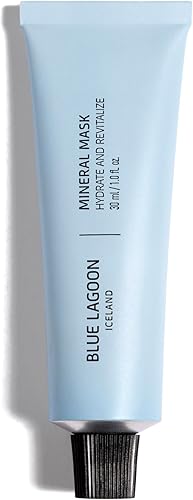
Blue Lagoon Skin Science Hydrating Overnight Mineral Face Mask
This Icelandic-sourced sleep mask focuses on barrier repair and water-loss prevention, both of which are heavily compromised in bakers with chronic heat exposure. Use this one the night before a hard shift rather than after. The mineral complex and slugging-safe formulation give your stratum corneum reinforcement so the morning's oven blasts cause less transepidermal water loss. Think of it as pre-treating your skin the way you pre-heat your oven — a setup move rather than a recovery move. It rotates well with the LANEIGE cica option: cica nights for recovery, Blue Lagoon nights for preparation.
Check Blue Lagoon Hydrating Overnight Mineral Mask on Amazon
A realistic weekly rotation for a working baker
Here's how the Valmont Elixir des Glaciers mask for bakery chef rosacea fits into a real production schedule. Sunday night (your day off): Valmont Elixir des Glaciers, 20 minutes, followed by your usual evening serum and the LANEIGE cica overnight. Monday through Friday after shift: cool shower, DA EFFECT cooling sheet within 30 minutes, then either LANEIGE cica or Blue Lagoon overnight depending on whether the next day is a heavy production day. Wednesday mid-week: a second Valmont treatment if your schedule is especially brutal. Saturday: Dr.Jart+ Cryo Rubber as a deep reset before your day off. Skip any masking the same day you have a cosmetic dermatology appointment or an IPL session for visible capillaries.
For broader context on building a heat-stress regimen, our SK-II facial treatment mask review for sensitive, rosacea-prone skin covers an alternative anchor product, and how to choose a luxury face mask by skin type walks through the diagnostic questions that distinguish vascular rosacea from purely sensitized skin.
Frequently Asked Questions
Can I use the Valmont Elixir des Glaciers mask immediately after a hot bakery shift?
Yes, but cool your skin down first. Apply a cold cloth or the DA EFFECT cooling sheet for 15-20 minutes to let surface vessels constrict, then apply the Valmont mask. Putting an expensive cream mask on actively flushed, hot skin wastes ingredients — the active peptides absorb less efficiently into reactive, sweaty skin, and you risk trapping heat. Cool first, then treat.
Does Valmont Elixir des Glaciers mask actually reduce visible broken capillaries on cheeks?
The mask won't eliminate existing telangiectasias — only IPL or vascular laser can do that — but consistent use over three to six months reduces the rate at which new broken capillaries form by improving capillary wall integrity and reducing the frequency of severe flushing episodes. Bakers who pair Valmont masking with twice-yearly IPL typically see the most durable results on visible vessels.
Is the Valmont Elixir des Glaciers mask safe for pregnant pastry chefs with rosacea?
The standard Elixir des Glaciers mask contains no retinoids, no salicylic acid, and no high-percentage AHAs, which makes it generally compatible with pregnancy. However, formulations occasionally change and pregnancy hormones often shift rosacea triggers unpredictably. Confirm the current ingredient list with your OB and dermatologist, and patch test on your inner forearm for 48 hours before applying to the face during pregnancy.
How often should bakers with oven-heat rosacea use a luxury treatment mask?
Two to three times per week is the sweet spot for the Valmont mask itself, supplemented by lighter cooling and barrier masks on the remaining days. Daily use of heavy cream masks can trigger occlusion-related flares in rosacea-prone skin, especially under a chef's hat where sweat is already trapped. Our guide to luxury face mask frequency breaks this down by mask type and skin condition.
What ingredients should bakers with rosacea avoid in masks?
Skip menthol, camphor, eucalyptus, peppermint, witch hazel with alcohol, and high-percentage glycolic or lactic acids — these all dilate vessels or compromise an already-fragile barrier. Fragrance is a personal judgment call but most rosacea dermatologists recommend fragrance-free formulas. Avoid clay masks during active flare days; save them for low-flush days when your skin can tolerate the deep cleanse. The top ingredients in luxury face masks breakdown lists the rosacea-safe actives in detail.
Will the cooling sensation of these masks fade if I use them too often?
The cooling sensation in masks like Dr.Jart+ Cryo Rubber comes from the rubber's thermal mass and evaporative cooling from the ampoule, not from menthol-style ingredients, so it doesn't desensitize the way active-cooling products can. That said, your skin's flush response can become more tolerant of cooling stimuli over time, which actually is what you want — a less reactive baseline means less dramatic flushing during the next oven shift.
How does the Valmont Elixir des Glaciers mask for bakery chef rosacea compare to La Mer's Treatment Mask for this use case?
Both are luxury anchors, but they solve different parts of the problem. Valmont's Elixir des Glaciers prioritizes cellular energy and capillary support — better for the vascular component of oven-heat rosacea. La Mer's Treatment Mask emphasizes barrier repair via Miracle Broth, which is excellent for chronic dehydration but doesn't address vessel reactivity as directly. For bakers whose primary complaint is visible flushing rather than dry patches, Valmont is the more targeted choice. Our La Mer vs La Prairie mask comparison covers adjacent options at this price tier.
Can I keep the Valmont mask in the bakery walk-in cooler for extra cooling effect?
Storing it cold is fine and intensifies the immediate cooling sensation, but pull it out 5 minutes before applying so it warms slightly — applying anything below about 10°C to actively reactive skin can paradoxically trigger a rebound flush in some rosacea subtypes. The ideal application temperature is cool but not cold, around 12-15°C, which a brief counter rest from walk-in temperature will achieve.
Key Takeaways
- Choosing the right Valmont Elixir des Glaciers mask for bakery chef rosacea means matching capacity and output ports to your actual devices
- Always check actual watt-hours (Wh), not just watts — runtime depends on Wh, not peak output
- Also covers: mask for pastry chef oven heat flushing
- Also covers: Valmont Elixir des Glaciers Majestic mask review
- Also covers: luxury Swiss mask for thermal occupational rosacea
- Compare price-per-Wh across models to find the best value for your budget