For teen athletes battling breakouts where the chin strap, forehead pad, or jaw guard sits, the glamglow supermud helmet acne protocol is one of the most reliable at-home fixes. Glamglow Supermud Clearing Treatment combines six acids (glycolic, lactic, salicylic, pyruvic, malic, and tartaric) with activated charcoal and kaolin clay, a combination designed to lift trapped sweat, sebum, and dead skin out of pores after practice. Used 2–3 times per week on the helmet-contact zones — forehead, temples, jawline, and chin — it can shrink active mechanica pimples within a few wears and prevent the cluster breakouts that footballers, hockey players, lacrosse athletes, and wrestlers routinely deal with.
Why helmets and chin straps cause teen athlete acne
What most parents call “helmet acne” is technically acne mechanica: a sport-specific form of breakout caused by heat, occlusion, sweat, and repeated friction against the skin. A football helmet, hockey cage, baseball catcher’s mask, or lacrosse helmet traps sweat against the forehead and chin for hours. Foam padding rubs the same pores raw, the chin strap drags bacteria across the jaw, and synthetic fabrics around the neck wick oil right back onto the skin. Add the hormonal sebum surge of a 14–18-year-old and the result is predictable: deep, sore pimples in a U-shaped band that mirrors exactly where the equipment touches.
The fix has to do two things at once. It has to deep-clean the pores that are getting clogged faster than they can drain, and it has to calm the inflamed, mechanically irritated skin without over-stripping the barrier (which only makes oil rebound worse). That is the gap Glamglow Supermud is built for.
How Glamglow Supermud targets helmet acne specifically
Supermud is a clearing treatment mask, not a hydrating one. The activated charcoal and K17 clay complex draw out the impacted sebum that sits inside friction-irritated pores, while the six-acid blend dissolves the dead skin cells that pile up under helmet padding. Salicylic acid is oil-soluble and gets into the pore itself — the single most important property for acne mechanica, where the clog is buried under sweat residue.
For the glamglow supermud helmet acne routine, the sequence matters more than people realize. Athletes should mask after practice, not before. Pre-practice masking strips the skin and leaves it vulnerable to fresh friction. Post-practice masking, ideally within 30 minutes of removing the helmet, intercepts the sweat-and-sebum mix before it sets into a clog.
The post-practice protocol that works
- Rinse the face with cool water immediately after removing the helmet — do not scrub.
- Cleanse with a gentle, non-stripping wash. Avoid foaming sulfates that compound barrier damage.
- Apply Supermud only to helmet-contact zones (forehead band, temples, jawline U, chin strap line). Leave clear skin alone.
- Leave on 10–20 minutes. Teens should start at 10. The mask will visibly pull congestion to the surface as gray-black dots — that is the charcoal binding sebum.
- Rinse with lukewarm water, pat dry, and follow with a barrier-supporting moisturizer.
Used 2–3 times weekly during the season, this rhythm interrupts the breakout cycle without over-exfoliating the skin a teen still needs intact for two more practices that week. If you want a deeper look at how clay differs from gel or sleeping formulas, our guide to clay vs. gel face masks breaks down which texture suits which problem.
Glamglow Supermud vs. other clarifying masks for athletes
Supermud is the benchmark, but it isn’t the only option — and at $59 for 1.2 oz, it is on the premium end of what most teen budgets cover. Here is how it stacks up against other clarifying clay and mud masks that work for the same problem.
| Mask | Key Actives | Best For | Mask Time | Use Frequency |
|---|---|---|---|---|
| Glamglow Supermud | 6-acid blend, activated charcoal, kaolin | Cystic helmet pimples, jawline clusters | 10–20 min | 2–3x/week |
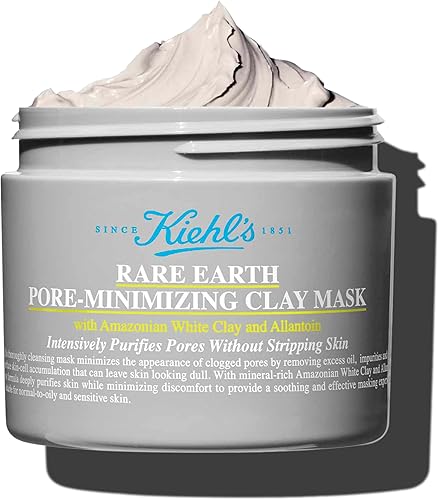
| Kiehl’s Rare Earth | Amazonian white clay, bentonite | Enlarged pores, blackheads on forehead | 10 min | 2x/week |
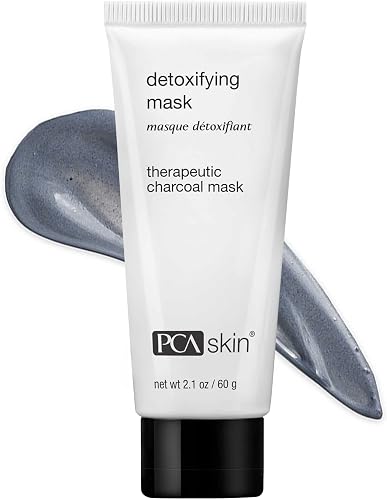
| PCA SKIN Detoxifying | Charcoal, clay, lactic acid | Oily T-zone after practice | 5–10 min | 1–2x/week |
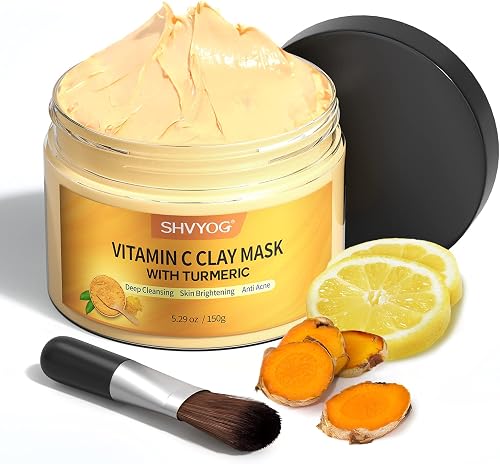
| SHVYOG Turmeric Vitamin C | Turmeric, vitamin C, kaolin | Post-pimple dark spots | 10–15 min | 2x/week |
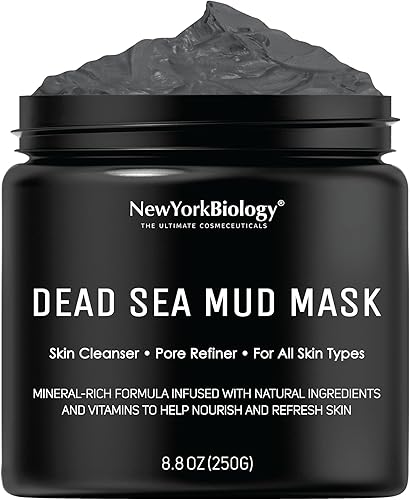
| New York Biology Dead Sea Mud | Dead Sea mud, minerals | Budget option, full-face oily skin | 10 min | 1–3x/week |
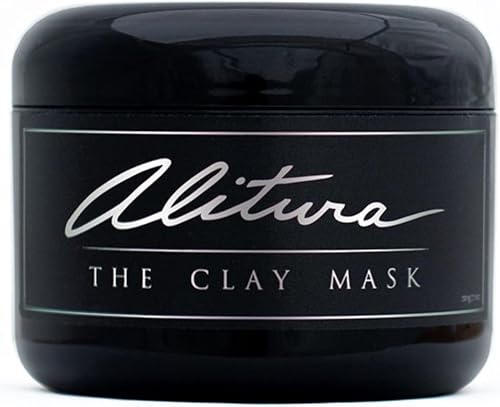
| Alitura Clay Mask | French clay, vitamin C, pearl powder | Active acne plus brightening | 20 min | 2x/week |
Product picks for the teen athlete helmet acne routine
Kiehl’s Rare Earth Pore Minimizing Clay Mask — the gentler stand-in
If a teen’s skin reacts to the six-acid intensity of Supermud (some 14- and 15-year-olds with barrier damage will), Kiehl’s Rare Earth is the smartest swap. It pulls excess oil and reduces visible pores using Amazonian white clay and bentonite without the acid load, which means it can be used twice weekly even on inflamed skin. The forehead band under a helmet — where pores stretch widest from heat — is where this mask earns its keep. Check the Kiehl’s Rare Earth mask on Amazon.
PCA SKIN Detoxifying Charcoal & Clay Mask — the clinical option
PCA SKIN sits in dermatology offices for a reason: their formulas are tightly dosed and predictable. The Detoxifying mask uses charcoal to bind sebum and a low-percentage lactic acid to lift dead skin without the burning sensation Supermud can give younger athletes. A 5–10 minute application after a hot practice is enough; longer is not better with this one. See the PCA SKIN Detoxifying mask on Amazon.
SHVYOG Turmeric Vitamin C Clay Mask — fading the marks after the season
The real problem for many teen athletes isn’t the active pimple — it’s the brown or red mark left behind for months after the helmet finally comes off. Turmeric and vitamin C in a kaolin base work on post-inflammatory hyperpigmentation while still mildly clarifying. This is the off-season mask, used 2–3 times weekly through January and February to fade what football left behind. View the SHVYOG turmeric clay mask on Amazon.
New York Biology Dead Sea Mud Mask — the budget jar
At 8.8 oz, this Dead Sea mud jar gives teens a full-face mineral mask at a price that survives the trial-and-error phase. It is less aggressive than Supermud, so it can be used on the cheeks and neck too without irritation, and it works well for kids whose breakouts spread beyond just the helmet line. Find the New York Biology Dead Sea mud mask on Amazon.
Alitura Clay Face Mask — when active pimples and dullness coexist
Alitura combines five clays with vitamin C and pearl powder — essentially a clearing-and-brightening hybrid. It is the right pick for the teen who is dealing with active breakouts and the dull, tired skin tone that two-a-days create. It works as a 20-minute treatment after Saturday games when there’s time to sit still. Check the Alitura Clay mask on Amazon.
What to do between maskings
Masking is a treatment, not a routine. To keep glamglow supermud helmet acne results compounding instead of resetting after every Friday game, the daily habits matter more than the mask itself.
Pad hygiene. Wipe down the chin strap, jaw pads, and forehead pad with isopropyl-alcohol wipes after every practice. Most teen breakouts under helmets are bacterial, not just oily, and the equipment itself is the reservoir. A clean mask on a dirty helmet pad means re-inoculating the skin within an hour.
A skinny, non-comedogenic moisturizer. Stripped skin produces more oil. A light gel or fluid that locks barrier moisture without occlusion lets clay masks do their job without rebound oiliness. Our notes on building a routine for acne-prone skin cover the moisturizer pairings that don’t sabotage clay treatments.
SPF every morning. Salicylic acid and the six-acid blend in Supermud sensitize skin to UV. A teen athlete on an outdoor field for three hours daily who masks without sunscreen will get worse hyperpigmentation, not less.
Sleep on a fresh pillowcase. Twice a week minimum during the season. Hair product, sweat residue, and bacteria collect on the same square of fabric the jaw rests on for eight hours.
When Supermud is not the right call
There are three scenarios where the standard helmet acne protocol needs to be adjusted. First, if the teen is already on prescription tretinoin, adapalene, or oral isotretinoin, the six-acid mask is too much — a charcoal-only or mineral-mud mask without exfoliating acids is safer. Second, if the breakouts are cystic and painful enough to interfere with sleep or sport, that’s a dermatologist visit, not a mask question. Third, if the skin around the helmet line is broken or bleeding from friction, treat that as a wound first and skip masking until it has healed.
For the broader question of how to match a mask to a specific skin type and concern, our guide to choosing a luxury face mask for your skin type is the right starting point. Athletes with oily, acne-prone skin and athletes with dry, sensitive skin should not be using the same products even if they wear the same helmet.
Building the in-season treatment calendar
The mistake parents make is buying one mask and using it whenever the skin looks bad. The athletes who actually clear their helmet acne treat masking like training: a planned schedule that builds over weeks. For a typical fall sport with practice Monday through Thursday and games Friday or Saturday, this rhythm works:
- Monday post-practice: Glamglow Supermud or Kiehl’s Rare Earth, helmet-contact zones only, 10–15 minutes.
- Wednesday post-practice: PCA SKIN Detoxifying or Dead Sea mud, full face, 10 minutes.
- Saturday morning (rest day): SHVYOG turmeric mask, full face, 15 minutes — brightening cycle.
- Sunday night: A hydrating sleeping mask (not a clay) to repair barrier before Monday’s practice.
For more on the broader category of clarifying treatments, the 2026 guide to luxury clay masks compares formulations across price tiers — useful for parents deciding whether the Supermud jar is worth restocking or whether a $20 alternative would do the same work.
Frequently Asked Questions
Can I use Glamglow Supermud every day during football season?
No — daily use of a six-acid clay mask will over-exfoliate the skin barrier and trigger more oil production, which makes helmet acne worse. The right cadence is 2–3 times per week, with at least one day between applications. If the skin starts to feel tight, sting, or look red after the mask, drop to once per week and add a hydrating mask on the off days.
Does Supermud work on chin strap acne specifically?
Yes, and chin strap breakouts are one of the clearest use cases. The chin and lower jaw collect the most sweat and bacteria from the strap, and the salicylic acid in Supermud is oil-soluble enough to penetrate the deeper, ingrown-feeling pimples that form there. Apply a thicker layer along the strap line and leave it on for the full 15–20 minutes.
Is Supermud safe for teens with sensitive skin?
The six-acid load is more than some sensitive-skinned teens can tolerate. Patch test on the jawline first, leave on 5 minutes, and check for redness 24 hours later. If the skin reacts, swap to Kiehl’s Rare Earth or PCA SKIN Detoxifying — both clarify pores without the same acid intensity.
Should I mask before or after football practice?
After. Pre-practice masking strips the skin of protective oils right before two hours of friction and heat, which makes irritation worse. Post-practice masking within 30 minutes of helmet removal pulls out the sweat-sebum mix before it sets into a clog.
How long until I see results on helmet acne?
Active pimples shrink within 24–48 hours of the first or second application. The deeper change — fewer new breakouts forming under the helmet line — takes 3–4 weeks of consistent twice-weekly use combined with cleaning the helmet padding. Hyperpigmentation marks left behind take 8–12 weeks to fade and need a brightening mask like the SHVYOG turmeric formula plus daily SPF.
What about wrestlers and hockey players with full headgear?
Same protocol, different geometry. Wrestlers should focus the mask on ear cartilage borders and the temple where headgear straps cut in. Hockey players need attention to the chin cup, the cage contact band on the forehead, and the neck guard line. The mask itself works identically — it’s the contact zones that change with each sport.
Is Glamglow Supermud worth the price for a teenager?
For an athlete with persistent, visible helmet acne that is affecting confidence or causing scarring, yes — a 1.2 oz jar lasts roughly 3–4 months at twice-weekly spot application. For a teen with mild oiliness and occasional breakouts, a $20–30 alternative like New York Biology Dead Sea mud or PCA SKIN Detoxifying does most of the same work. The decision comes down to severity and consistency, not brand.
Key Takeaways
- Choosing the right glamglow supermud helmet acne means matching capacity and output ports to your actual devices
- Always check actual watt-hours (Wh), not just watts — runtime depends on Wh, not peak output
- Also covers: glamglow mask football acne
- Also covers: luxury mask sports gear breakouts
- Also covers: supermud mask hockey players
- Compare price-per-Wh across models to find the best value for your budget