For broadcast journalists who sit under HD lights for hours, the natura bisse diamond mask tv anchors studio makeup buildup ritual is more than a beauty splurge—it is occupational maintenance. Layered foundation, setting powder, contour, and powder retouches throughout a four-hour news block leave residue lodged in pores, micro-irritation along the jawline, and a tight, dehydrated feeling by the time anchors hit the parking garage. The Natura Bissé Diamond Mask was engineered to soothe and replenish stressed skin in roughly fifteen minutes, which is why it became a green room staple at major networks. Below, we break down how the natura bisse diamond mask tv anchors studio makeup buildup workflow actually plays out, and which accessible alternatives keep that on-camera glow between Diamond Mask jars.
Why the Diamond Mask became a green-room standard
Anchors and field reporters live with a paradox: they need flawless coverage on camera, but the cumulative wear of studio-grade pigments, talc-based powders, and harsh dressing-room wipes leaves the skin barrier inflamed. The Natura Bissé Diamond Mask—a hybrid hydrating and brightening treatment—targets that exact pattern. It is rich enough to flood dehydrated tissue, but not so occlusive that it leaves a film a makeup artist cannot prime over. Most anchors use it the night before a long shoot or the morning of a primetime broadcast, then layer skincare on top.
The catch is the price tag (often $375+) and the limited frequency it allows. A 50ml jar lasts a working anchor about six weeks of weekly use. That is why most broadcasters build a supporting cast around it—cleansing masks for actual decongestion, overnight masks for off-day recovery, and cryo-masks for pre-air depuffing. Below we walk through that rotation, then offer a comparison of practical products that complement (or, for budget-minded readers, stand in for) the Diamond Mask.
The studio makeup buildup problem, explained
Studio HD makeup is dense by design. Cameras flatten texture, so makeup artists layer pigment that would look cakey in person but reads as "clean skin" on a 4K feed. Powder is then pressed in to control shine under tungsten and LED keys. Over a typical news week:
- Repeated re-powdering during commercial breaks compacts product into pores.
- Setting sprays and barrier creams trap sebum against the skin.
- Strong dressing-room lights warm the skin, melting product into follicles.
- Quick wipes between segments scrub the skin barrier without rinsing residue.
The result is a predictable pattern of congestion across the forehead and jawline, dehydration on the cheeks, and a dull cast under the eyes—the same trio the natura bisse diamond mask tv anchors studio makeup buildup routine is designed to address.
Comparison: complementary masks for the on-camera professional
| Product | Primary use | Best for | Approx. price tier |
|---|---|---|---|
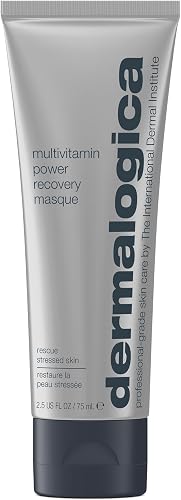
| Dermalogica Multivitamin Power Recovery Masque | Restorative, post-makeup repair | End-of-shift skin reset | Mid-premium |
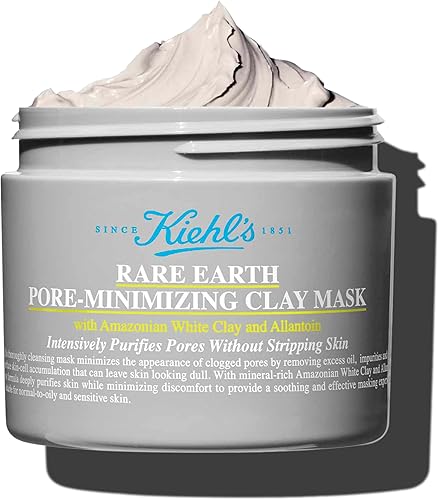
| Kiehl's Rare Earth Pore Minimizing Clay Mask | Deep cleansing of pigment buildup | Weekend decongestion | Mid |
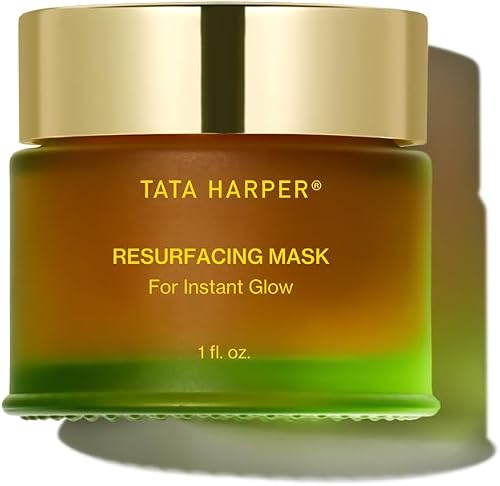
| Tata Harper Resurfacing Mask | BHA gentle exfoliation | Pre-broadcast glow boost | Premium |
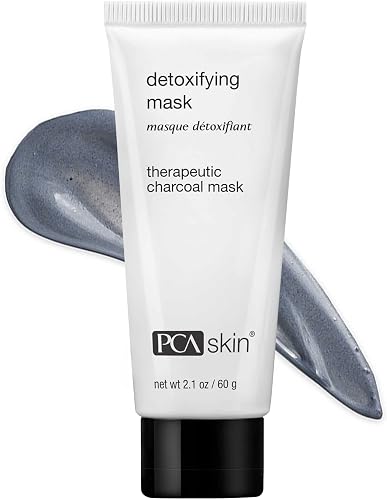
| PCA SKIN Detoxifying Charcoal & Clay | Pore decongestion | Recurring blemish-prone areas | Mid-premium |
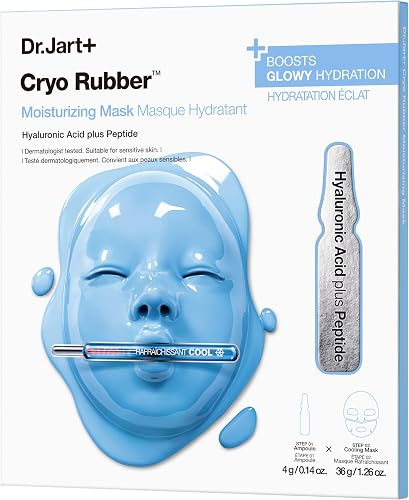
| Dr.Jart+ Cryo Rubber Cooling Mask | Cooling, depuffing | Pre-air puffiness control | Mid |
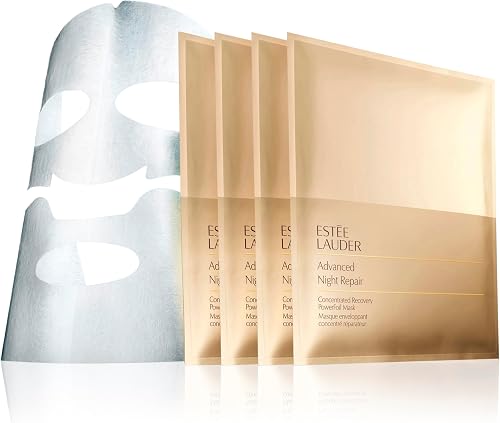
| Estee Lauder Advanced Night Repair PowerFoil | Hydration & recovery | Travel kit, hotel shoots | Mid-premium |
Product picks for the anchor's mask rotation
Dermalogica Multivitamin Power Recovery Masque
If your jaw feels raw after pancake foundation, this is the post-shift mask. It is loaded with vitamins A, C, and E plus lactic acid, which means it gently sloughs residue without aggravating the barrier that powder brushes spent four hours abrading. Anchors who broadcast nightly often keep a tube in their desk drawer for a quick fifteen-minute reset before driving home. The texture is creamy enough to feel like a treatment, not a peel, so it slots in even on sensitive days. Check current price on Amazon.
Kiehl's Rare Earth Pore Minimizing Clay Mask
The Diamond Mask is hydrating—it is not a cleansing mask. For the actual job of pulling out pigment and setting-powder residue, you need a proper clay treatment. Kiehl's Rare Earth blends Amazonian white clay with bentonite, which lifts congestion from the T-zone without the chalky tightness of older clay formulas. Anchors typically use this once a week, ideally on a day off when the skin can rest barefaced afterward. Check current price on Amazon.
Tata Harper Resurfacing Mask
Studio buildup dulls light reflection on the cheekbones, which is exactly where cameras catch the highlight. The Tata Harper Resurfacing Mask uses beta hydroxy acid from willow bark to deliver instant smoothing without the redness that a peel would cause before air. Apply for ten minutes the morning of a broadcast and you get a polished surface that grips foundation evenly. It is one of the few luxury exfoliators gentle enough to use on a shoot day. Check current price on Amazon.
PCA SKIN Detoxifying Charcoal & Clay Mask
Anchors with chronic chin congestion from mic-pack pressure and continuous powder application benefit from charcoal's adsorbent pull. PCA SKIN's formula adds lactic and salicylic acids that decongest without leaving the cheekbones parched. Two times per week is plenty for most users. Check current price on Amazon.
Dr.Jart+ Cryo Rubber Cooling Mask
Live shots at 4 a.m. mean puffy eyes and a softened jawline on camera. The Cryo Rubber mask delivers an actual temperature drop that constricts vessels for about an hour—enough to look defined under studio lights. Field producers often hand these out before live remotes for the same reason makeup artists keep cold spoons in the green-room fridge. Check current price on Amazon.
Estée Lauder Advanced Night Repair PowerFoil Sheet Mask
For travel-heavy correspondents living out of hotel rooms, a foil sheet mask provides hydration without bottles to pack. The Advanced Night Repair formulation includes hyaluronic acid and the same antioxidant base as the iconic serum, which means it works hard on a red-eye flight before a morning live shot. Anchors typically pack two or three in carry-on luggage. Check current price on Amazon.
How professionals build a weekly schedule
A working anchor cannot mask daily without overdoing it. A typical rotation looks like:
- Sunday night: Kiehl's Rare Earth clay to clear the week ahead, followed by an overnight hydrator.
- Wednesday: Tata Harper Resurfacing to polish mid-week dullness.
- Friday after the broadcast: Dermalogica Multivitamin Power Recovery to repair barrier damage.
- Saturday morning: Natura Bissé Diamond Mask (or a comparable hydrating treatment) for the reset glow.
- Pre-broadcast as needed: Dr.Jart+ Cryo Rubber for depuffing.
This is the pattern many makeup artists recommend, and it mirrors the natura bisse diamond mask tv anchors studio makeup buildup approach: cleansing first, then resurfacing, then deeply hydrating. For more on cadence, our luxury face mask frequency guide walks through how often each mask type is appropriate. Treatment masks behave differently from sheet masks—our treatment masks guide covers the technique.
What to look for in a Diamond Mask alternative
If $375 is out of budget, you can replicate the core function of the Diamond Mask—intense hydration plus a soft brightening effect—with the right ingredient profile. Look for:
- Multi-weight hyaluronic acid for deep and surface hydration.
- Niacinamide at 2–5% for tone correction.
- Panthenol or centella for barrier repair.
- A creamy, leave-on (or rinse-off after 15 minutes) texture so it does not lift powder primer once applied.
For a quick primer on the ingredients that matter most, see our breakdown of top ingredients in luxury face masks. If you are trying to decide between formats, our explainer on the difference between clay and gel face masks covers which to pick for studio-related congestion versus dehydration.
Application protocol for on-camera professionals
Even the right mask underperforms with the wrong technique. Anchors and reporters should:
- Double-cleanse first. An oil cleanser dissolves silicone-heavy HD foundation; a gentle gel cleanser removes the oil. Without this, masks just sit on residue.
- Apply to slightly damp skin. Hydrating masks penetrate better, and clay masks dry more evenly without cracking.
- Time it. Fifteen minutes is the sweet spot for most luxury masks. Longer is not better—clay can dehydrate, and acid-based masks can over-exfoliate.
- Cool-water rinse. Hot water reactivates micro-inflammation that powder brushes caused earlier.
- Follow with a humectant serum, not a heavy cream. If you are masking before makeup, finish with a lightweight hyaluronic acid serum and a thin moisturizer—otherwise foundation will slide.
Frequently Asked Questions
Can TV anchors use the Natura Bissé Diamond Mask before going on air?
Yes, and many do. Apply it 60–90 minutes before camera, rinse thoroughly with cool water, follow with a lightweight serum, and let the skin settle for at least 30 minutes before the makeup artist begins. Applying mask and makeup back-to-back causes foundation to grab unevenly.
How often should I mask if I wear studio makeup five days a week?
Three to four times per week, alternating between a cleansing mask (clay or charcoal), a gentle exfoliating mask (BHA or enzyme), and a hydrating mask. Avoid overlapping clay and acid masks on the same day, which can compromise the barrier.
What is the best mask for removing setting-powder residue from pores?
A bentonite or Amazonian clay mask used after a thorough double cleanse. Kiehl's Rare Earth and PCA SKIN Detoxifying are both formulated for this kind of post-makeup decongestion without the chalky tightness of older clay products.
Will a sheet mask work instead of the Diamond Mask for camera-ready hydration?
For pure hydration, yes—foil sheet masks like Estée Lauder Advanced Night Repair deliver a comparable plumping effect. They do not, however, replicate the brightening or pH-balancing components of the Diamond Mask, so heavy-rotation anchors usually use both.
Is the Natura Bissé Diamond Mask safe for sensitive, rosacea-prone skin?
It is generally well-tolerated, but anchors with active rosacea should patch test first. If reactivity is a concern, cooling masks and centella-based formulas (like the Dr.Jart+ Cryo Rubber) tend to be lower-risk choices. Pair masking with a calming barrier routine for best results.
What is the difference between a luxury treatment mask and a regular hydrating mask?
Treatment masks deliver active ingredients at higher concentrations and are typically used short-term to address a specific concern—buildup, dullness, dehydration, or post-procedure recovery. Regular hydrating masks are gentler and intended for ongoing maintenance.
How can I recreate a studio facial at home before a broadcast?
Double cleanse, exfoliate gently, apply a treatment mask, follow with a cooling sheet or rubber mask, and finish with serum and lightweight moisturizer. Our guide to building an at-home spa experience with face masks walks through the full sequence including timing.
The natura bisse diamond mask tv anchors studio makeup buildup routine works because it is honest about the dual demand of broadcast skin: deep cleansing without irritation, deep hydration without slip. Whether you invest in the Diamond Mask itself or build a rotation from the more accessible alternatives above, the principle stays the same—treat the buildup, restore the barrier, and let the lights do the rest.
Key Takeaways
- Choosing the right natura bisse diamond mask tv anchors studio makeup buildup means matching capacity and output ports to your actual devices
- Always check actual watt-hours (Wh), not just watts — runtime depends on Wh, not peak output
- Also covers: natura bisse for news anchor skin
- Also covers: tv presenter mask buildup removal
- Also covers: studio makeup detox face mask
- Compare price-per-Wh across models to find the best value for your budget