When wildfire smoke settles into your skin, the result is more than just a dull complexion—it's congestion, clogged pores, sensitivity, and that gritty, suffocated feeling no toner can rinse away. The Tata Harper resurfacing mask for wildfire smoke exposure has become a cult solution for exactly this concern, blending beta hydroxy acid, pomegranate and pink clay enzymes, and willow bark to dissolve smoke-trapped particulates without compromising your barrier. In this 2026 guide, we'll explain why this luxury mask works so well for wildfire-affected skin, how it compares to other premium treatment masks, and what to layer alongside it for a fuller post-smoke recovery routine.
Why Wildfire Smoke Causes Skin Congestion
Wildfire smoke is not regular pollution. It carries ultrafine PM2.5 particles, polycyclic aromatic hydrocarbons (PAHs), volatile organic compounds, and oxidized soot. These particles are small enough to lodge inside the follicle, where they bind with sebum, oxidize, and trigger a cascade of low-grade inflammation. The visible result: enlarged pores, gray or sallow tone, sudden bumpy texture along the cheeks and jaw, and breakouts in people who normally don't break out. Worse, the skin barrier weakens because the antioxidant supply in your sebum is depleted, leaving lipids vulnerable to peroxidation.
This is why a standard hydrating sheet mask is rarely enough after a smoke event. What congested, smoke-exposed skin needs is a controlled, enzymatic resurfacing treatment that loosens the oxidized debris in the pore without aggressive scrubbing, paired with anti-inflammatory botanicals that calm the reactive flush smoke leaves behind. That is precisely the niche the Tata Harper Resurfacing Mask fills.
Why the Tata Harper Resurfacing Mask Is the Right Match
The Tata Harper Resurfacing Mask is a 10-minute, leave-on gel with willow bark-derived BHA (salicin), pomegranate enzymes, pink clay, and white clay. Unlike harsh acid peels, salicin works slowly enough that even reactive, smoke-irritated skin can tolerate it. The pink and white clays in the formula are uniquely magnetic to the metallic and carbon-rich residues found in wildfire smoke, meaning they physically pull oxidized debris up through the pore lining as the BHA loosens it. Pomegranate enzymes then catalyze a soft chemical exfoliation of dead, smoke-clung corneocytes on the surface.
For users specifically researching the Tata Harper resurfacing mask for wildfire smoke exposure, the most important benefit is that this is not a stripping product. The barrier-friendly profile means you can use it during an active smoke event, even on days when skin already feels reactive—something you cannot say about glycolic peels or charcoal-only masks.
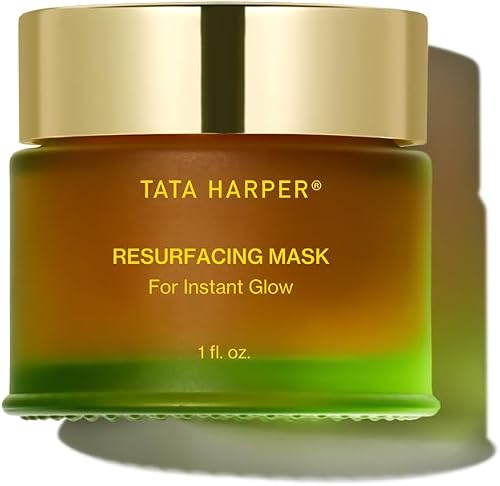
Tata Harper Resurfacing Mask
The hero product. A green, gel-textured mask that you smooth over clean, dry skin and leave on for ten minutes. Within one use you will see a noticeable shift in clarity—pores look smaller, the gray cast from smoke lifts, and texture along the cheekbones smooths. It contains no synthetic fragrance, no PEGs, and no sulfates, which matters when your skin's tolerance threshold is already lowered by airborne irritants. At 1.7 fl oz it lasts roughly 20-30 uses, making it cost-effective during a wildfire season when you'll want to mask 2-3 times per week. Check the latest price on Amazon.
Comparison: Tata Harper vs. Other Luxury Masks for Smoke Congestion
| Mask | Key Active | Best For Smoke Concern | Sensitivity Tolerance |
|---|---|---|---|
| Tata Harper Resurfacing Mask | BHA + Pink Clay + Pomegranate Enzymes | Congestion, dullness, oxidized debris | High |
| Dermalogica Multivitamin Power Recovery | Vitamin C, E, A + Lactic Acid | Antioxidant repair after smoke exposure | Medium-High |
| Kiehl's Rare Earth Pore Minimizing Clay | Amazonian White + Bentonite Clay | Deep pore decongestion, oil-trapped soot | Medium |
| PCA SKIN Detoxifying Charcoal & Clay | Activated Charcoal + Kaolin | Surface particulate detox | Medium |
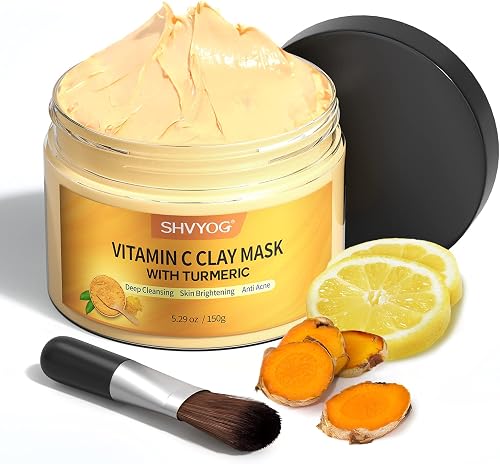
| SHVYOG Turmeric Vitamin C Clay | Turmeric + Vitamin C + Kaolin | Inflammation, post-smoke discoloration | Medium |
Building a Wildfire-Recovery Routine Around the Tata Harper Mask
The Tata Harper resurfacing mask for wildfire smoke exposure should be the centerpiece of a layered recovery routine—not the only step. On days when the AQI spikes above 150, a smart sequence looks like this: oil-based pre-cleanse, gentle gel cleanse, the Tata Harper mask, a humectant-rich essence, and finally a barrier-restoring moisturizer or overnight sleep mask. Below are the supporting picks that pair best with the resurfacing mask without overloading reactive skin.
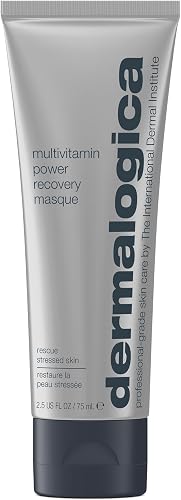
Dermalogica Multivitamin Power Recovery Masque
Once the Tata Harper has unclogged the pore, your skin needs to refill its antioxidant reserves—the PAHs in smoke deplete vitamin E in particular. Dermalogica's Multivitamin Power Recovery Masque is built for environmentally damaged skin and delivers a high-dose load of A, C, and E plus a touch of lactic acid for gentle continued resurfacing. Use it on alternate evenings from the Tata Harper, not the same night. View the Dermalogica masque on Amazon.
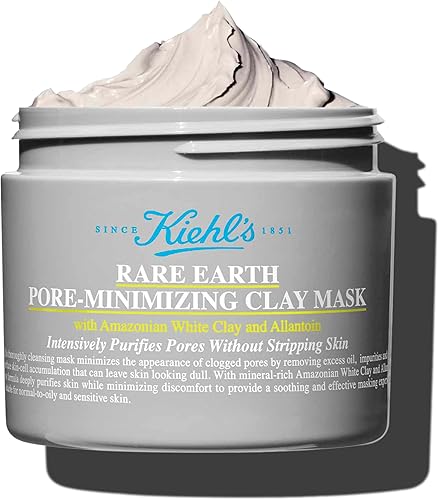
Kiehl's Rare Earth Pore Minimizing Clay Mask
For prolonged smoke events—think the multi-week wildfire seasons common to California, Oregon, and parts of Canada—you'll want one true clay-only mask in rotation. Kiehl's Rare Earth pairs Amazonian white clay with bentonite, both of which excel at pulling out heavy, sebum-bound particulates that simple BHA cannot dislodge alone. Use it once a week on the T-zone and any area where you wore an N95 mask all day. Find Kiehl's Rare Earth on Amazon.
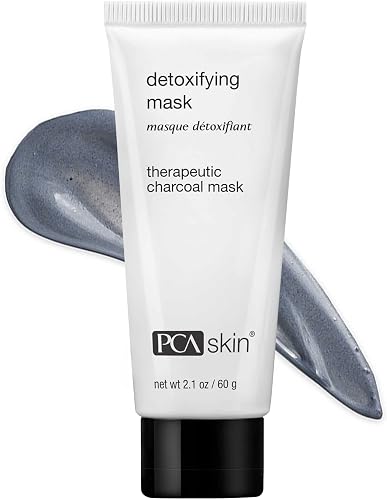
PCA SKIN Detoxifying Charcoal & Clay Mask
If your skin runs oilier and you noticed a flare of blackheads after the last smoke event, PCA SKIN's charcoal-and-clay formula is a strong secondary mask. Activated charcoal binds particulate matter on the skin's surface before it can sink into the follicle. Used the morning after heavy outdoor smoke exposure, it can prevent the cycle of next-day congestion the Tata Harper mask would otherwise have to address later. See PCA SKIN on Amazon.
SHVYOG Turmeric Vitamin C Clay Mask
Turmeric is one of the most studied botanicals for suppressing the inflammation cascade that wildfire smoke triggers. SHVYOG's blend pairs it with vitamin C and kaolin clay, giving you a calming, brightening clay mask that fights both the post-smoke red flush and the lingering uneven tone. At an accessible price point, it slots in nicely between Tata Harper sessions. Browse SHVYOG on Amazon.
How to Use the Tata Harper Resurfacing Mask on Smoke-Exposed Skin
Application matters more than usual when your skin is already inflamed. Cleanse with lukewarm—never hot—water, and avoid scrubbing or using a clarifying foam directly before the mask. Pat skin almost dry, leaving it slightly damp so the mask spreads evenly. Apply a generous, opaque layer; the magnetic clay component only works if the layer is thick enough to make contact with the full pore opening. Set a 10-minute timer; longer is not better and can dehydrate skin already stressed by particulate exposure.
Remove with damp, soft muslin or a flat cotton round soaked in cool water, sweeping outward in slow strokes. Skip the toner step immediately after; instead, press in a hyaluronic essence and seal with a ceramide-rich moisturizer. During the worst of a smoke event, two to three uses per week is the sweet spot. If you'd like a wider primer on cadence, our guide on luxury face mask frequency walks through the rule of three for sensitized skin.
Where the Tata Harper Mask Fits in the Broader Luxury Treatment Mask Category
The Tata Harper Resurfacing Mask sits in a relatively narrow corner of luxury skincare: it's an enzymatic exfoliating clay mask, which is a hybrid most brands don't attempt because the formulation is difficult to stabilize. If you'd like context on how this category differs from sheet masks, sleep masks, or pure clay masks, our piece on the difference between clay and gel face masks explains the structural and ingredient distinctions. For wildfire skin specifically, you want enzymatic resurfacing—not pure clay, not pure gel.
For readers researching top ingredients in luxury face masks, note that the Tata Harper mask is one of the few that combines BHA, fruit enzymes, and mineral clays in a single step—an unusual triple-action format that's well-suited to the layered insult wildfire smoke creates. And if you want to understand application order across a multi-mask routine, our treatment masks guide covers timing and layering rules.
What to Avoid When Treating Wildfire Smoke Congestion
Skip retinoids on the same night as the Tata Harper mask; the salicin already provides controlled exfoliation, and stacking retinol on top can flare the inflammation smoke has already triggered. Avoid AHA toners (glycolic, mandelic) during smoke events—skin's reactivity threshold is unpredictable when particulates are still being shed. Steer clear of physical scrubs entirely; they push the soot deeper into the follicle. And do not use sheet masks on the same day as the Tata Harper unless they are simple ceramide- or panthenol-based, since most actives layered on freshly resurfaced skin will sting.
Frequently Asked Questions
Can I use the Tata Harper Resurfacing Mask while wildfire smoke is still in the air?
Yes. Unlike harsh acid peels, the BHA-and-enzyme formula in this mask is mild enough to use even during an active smoke event. In fact, removing the day's particulate buildup before bed is one of the most protective things you can do during wildfire season. Keep cadence to two or three nights per week.
How is wildfire smoke congestion different from regular city pollution congestion?
Wildfire smoke contains a higher concentration of PM2.5 particles and polycyclic aromatic hydrocarbons (PAHs) than typical traffic pollution, plus oxidized soot that binds aggressively to sebum. That bonding is why standard double-cleansing often fails and why an enzymatic resurfacing mask works better than a foaming cleanser alone.
Is the Tata Harper Resurfacing Mask safe for sensitive or rosacea-prone skin during wildfire season?
The mask uses salicin (a willow-bark derived BHA) rather than synthetic salicylic acid, which most rosacea-prone skin tolerates well. That said, do a patch test on the jawline before full-face use, especially if your barrier is already compromised by smoke exposure. If you flush during the 10 minutes, rinse early.
How often should I use a resurfacing mask after wildfire smoke exposure?
Two to three times per week during an active smoke event, dropping to once weekly once air quality returns to normal. On non-mask nights, focus on antioxidant serums (vitamin C in the morning, vitamin E at night) and a ceramide moisturizer to restore the lipids smoke has oxidized.
What should I apply right after the Tata Harper Resurfacing Mask?
A humectant essence (hyaluronic acid or beta-glucan), then a ceramide- or squalane-based moisturizer. Skip exfoliating toners, retinoids, and high-strength vitamin C the same night. If skin feels especially dry, layer a fragrance-free overnight sleeping mask as the final step.
Will the Tata Harper Resurfacing Mask help with the post-smoke breakouts on my jawline?
Yes, especially the comedonal breakouts (closed bumps and blackheads) that smoke-triggered congestion produces. The BHA component is oil-soluble, so it penetrates into the follicle to dissolve the soot-sebum mixture. Cystic, deeper breakouts may need additional support from a targeted spot treatment, but the mask significantly reduces the surface load.
Can I combine the Tata Harper mask with a clay mask in the same week?
Absolutely, and during heavy smoke events this is recommended. Use the Tata Harper twice weekly for enzymatic resurfacing and a dedicated pore-decongesting clay mask (such as Kiehl's Rare Earth or PCA SKIN's charcoal mask) once weekly. Keep at least 48 hours between treatments and never stack them on the same night.
Final Thoughts
Wildfire smoke is a uniquely punishing form of pollution for skin, and the response it requires is equally specific: gentle enzymatic resurfacing, magnetic clay decongestion, and a strong antioxidant follow-up. The Tata Harper resurfacing mask for wildfire smoke exposure earns its luxury price tag because it accomplishes the first two steps in a single, barrier-respectful product. Pair it with a vitamin-rich recovery masque, a true clay mask once a week, and a turmeric-based calming option, and your routine is built to handle anything an unpredictable 2026 wildfire season throws at it.
Key Takeaways
- Choosing the right Tata Harper resurfacing mask for wildfire smoke exposure means matching capacity and output ports to your actual devices
- Always check actual watt-hours (Wh), not just watts — runtime depends on Wh, not peak output
- Also covers: mask after wildfire smoke pore congestion
- Also covers: Tata Harper enzyme mask review smoke skin
- Also covers: luxury detox mask PM2.5 particulates
- Compare price-per-Wh across models to find the best value for your budget