If you're searching for the tatcha luminous dewy skin mask postpartum because pregnancy and breastfeeding left your face flat, papery, and weirdly grey, you're in the right place. The Tatcha Luminous Dewy Skin Mask is a wash-off gel-cream treatment built around Hadasei-3 (a fermented Japanese trio of rice, green tea, and algae) plus Okinawa red algae and hyaluronic acid. It rehydrates without fragrance bombs, retinol, or actives that worry postpartum hormones, and it leaves a wet, healthy lit-from-within finish in about ten minutes. Below we break down why hormonal dullness happens after birth, what makes this mask postpartum-friendly, and five nursing-safe alternatives you can rotate with it for round-the-clock radiance.
Why Postpartum Hormones Drain Your Glow
In the first trimester your estrogen and progesterone climb to nearly 100 times pre-pregnancy levels, which is part of what creates that famous "pregnancy glow" — increased blood volume, faster cell turnover, and a thicker stratum corneum that holds water beautifully. The crash after delivery is the inverse. Within 24-48 hours of giving birth, estrogen drops faster than at any other moment in a woman's life. Prolactin spikes for breastfeeding moms, cortisol stays elevated from sleep loss, and your skin loses the hormonal scaffolding that was keeping it plump.
The visible result is what dermatologists call hormonal dullness: a sallow or grey undertone, exaggerated fine lines around the eyes, rough texture on the cheeks and forehead, and makeup that pills or settles into pores by 2 p.m. Compounding this, many new mothers can't use the heavy hitters that normally fix dullness — retinoids, high-percentage AHAs, hydroquinone, and salicylic acid above 2% are typically paused while breastfeeding. That makes hydrating, barrier-supporting wash-off and overnight masks the realistic workhorses of a postpartum routine.
What Makes the Tatcha Luminous Dewy Skin Mask Work Postpartum
The Tatcha Luminous Dewy Skin Mask is a 10-minute gel cream that you smooth on like a thick moisturizer and rinse (or massage in) afterward. Three things matter for the tatcha luminous dewy skin mask postpartum use case:
- Hadasei-3 fermented complex — rice, green tea, and algae extracts that boost ceramide-like lipid production and soothe dehydration-linked redness without any retinoid activity.
- Okinawa red algae and hyaluronic acid — multi-weight humectants that pull water into the upper epidermis, which is exactly the layer that thins as estrogen drops.
- Low-irritant formula — no essential oil top-notes, no AHA/BHA, no fragrance allergens flagged by the EU 26 list, which matters when you're snuggling a newborn.
It is not, however, a brightening mask. If your postpartum dullness is paired with melasma (the "mask of pregnancy" on the upper lip and cheekbones), you will want to layer the Tatcha with a tranexamic-acid or vitamin-C mask 1-2 nights a week. For a deeper dive on hormonal pigmentation rather than dullness, see our Tatcha Violet-C radiance mask review for post-pregnancy melasma.
Five Nursing-Safe Alternatives and Companion Masks
None of these replace the Tatcha exactly — its fermented Japanese core is genuinely unique — but each one solves a piece of the postpartum dullness puzzle and slots cleanly into the same routine. Every formula below skips retinol, high-strength acids, and the parabens and phthalates new mothers usually want to avoid.
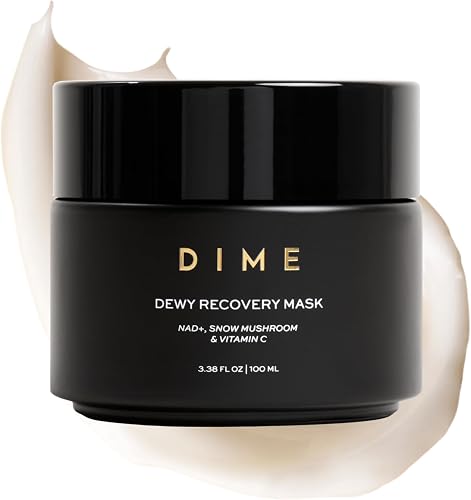
1. DIME Beauty Dewy Recovery Mask — Closest in Feel and Finish
If you want the same overnight-into-morning dewiness Tatcha is famous for at roughly a third of the price, this is the swap. The DIME formula leans on NAD+ (an energy coenzyme that supports tired skin cells), a stabilized vitamin C, and snow mushroom — an Asian polysaccharide that holds nearly five times more water than hyaluronic acid. It's vegan, cruelty-free, and the 100 ml jar lasts months when you use it 2-3 nights a week. New moms appreciate that it doubles as a wash-off treatment when you're showering during a 20-minute window and as a leave-on sleeping mask when you actually get to bed. Check the DIME Dewy Recovery Mask on Amazon.
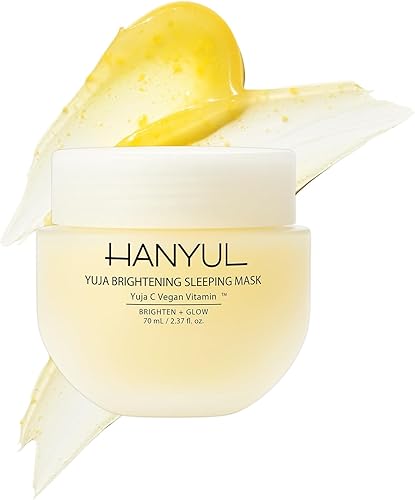
2. Hanyul Yuja Sleeping Mask — For Sallow, Grey-Toned Dullness
The yuzu citrus this mask is built around delivers a gentle dose of natural vitamin C alongside niacinamide and antioxidants — a combination dermatologists routinely recommend for postpartum sallowness because it brightens without the irritation a retinol or strong acid would cause while you're breastfeeding. The texture is a true overnight gel that absorbs in under a minute, so it works for moms who fall asleep nursing and don't have time for a multi-step routine. Vegan, fragrance-light, and dermatologist-friendly for sensitive postpartum skin. View the Hanyul Yuja Sleeping Mask on Amazon.
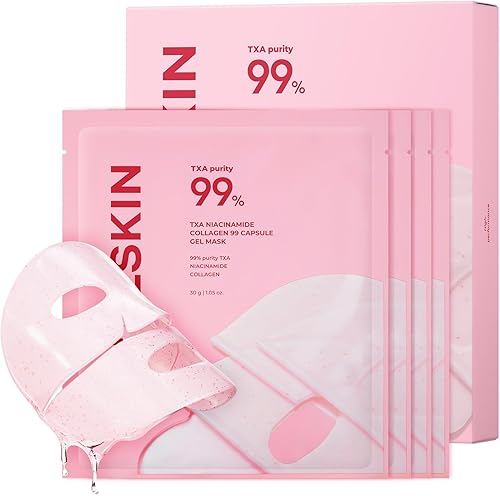
3. APRILSKIN TXA Pink Capsule Gel Mask — For Uneven Tone Layered Over Dullness
This is the targeted pick for new moms whose dullness is amplified by uneven tone — leftover melasma patches, sunspots that surfaced during pregnancy, or that ashy band across the forehead. The formula contains 3% high-purity tranexamic acid, which is considered low-risk for breastfeeding when used topically and works specifically on the pigment-overproduction pathway driven by estrogen fluctuations. The pink capsule delivery system keeps the TXA stable, and the firming peptides do double duty on the slackness postpartum hormones leave behind around the jaw. Alternate nights with a pure-hydration mask like the Tatcha or DIME. See the APRILSKIN TXA Pink Capsule Mask on Amazon.
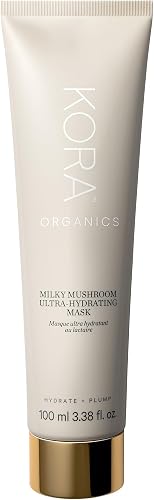
4. KORA Organics Milky Mushroom Ultra-Hydrating Mask — Certified-Organic Pick
Created by Miranda Kerr after her own postpartum recovery, this mask is certified organic by COSMOS, which is the gold standard if you want third-party verification that nothing harsh is hiding in the bottle. Tremella mushroom and coconut milk deliver heavy hydration, aloe and a multi-weight hyaluronic acid blend depuff and plump, and the entire formula skips silicones and PEGs. It rinses to a softer, less-glassy finish than Tatcha, which some moms actually prefer for daytime use under sunscreen and concealer. Browse the KORA Milky Mushroom Mask on Amazon.
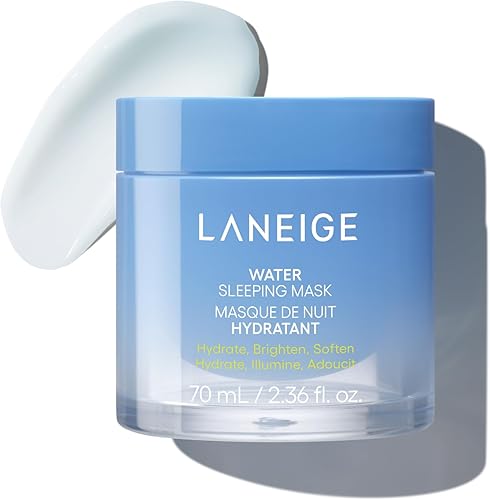
5. LANEIGE Water Sleeping Mask — The Budget Workhorse
The reformulated LANEIGE Water Sleeping Mask now contains squalane and a probiotic-derived complex, which support the lipid barrier postpartum hormones tend to disrupt. It's the cheapest entry on this list and the one you can keep on the nightstand without guilt for the 3 a.m. "my face feels like paper" emergency. Use it on the off-nights from your higher-end masks, or layer it as a final occlusive over the Tatcha for an extreme-hydration treatment when you're flying with a baby or running on zero sleep. View the LANEIGE Water Sleeping Mask on Amazon.
Postpartum Mask Comparison Table
| Mask | Best For | Format | Hero Actives | Breastfeeding-Friendly? |
|---|---|---|---|---|
| Tatcha Luminous Dewy Skin Mask | Flat, dehydrated postpartum skin | 10-min gel cream | Hadasei-3, red algae, HA | Yes |
| DIME Dewy Recovery | Dewy finish on a budget | Overnight or rinse-off | NAD+, vit C, snow mushroom | Yes |
| Hanyul Yuja Sleeping Mask | Sallow/grey undertone | Overnight gel | Yuzu vit C, niacinamide | Yes |
| APRILSKIN TXA Pink Capsule | Hormonal pigment + dullness | Overnight gel | 3% tranexamic acid, peptides | Topical use generally accepted |
| KORA Milky Mushroom | Certified-organic hydration | Wash-off or leave-on | Tremella, coconut milk, HA | Yes (COSMOS organic) |
| LANEIGE Water Sleeping Mask | Barrier repair, budget | Overnight gel | Squalane, probiotic complex | Yes |
How to Build a Postpartum Mask Routine Around the Tatcha
Most new moms get the best results from a 3-night-a-week mask cadence rather than nightly use, which gives the barrier time to rebuild and prevents the over-hydration "slip" that can actually trigger purging. A typical week might look like:
- Monday: Tatcha Luminous Dewy Skin Mask as a 10-minute wash-off after cleansing.
- Wednesday: APRILSKIN TXA or Hanyul Yuja overnight if you're targeting tone or sallowness.
- Friday: LANEIGE or KORA as a recovery layer over your normal moisturizer.
- Weekends: One "reset" wash-off (DIME or Tatcha again) before any event where you want a real glow.
Two things matter more than the masks themselves: cleansing gently (skip foaming sulfates while breastfeeding, your barrier is already compromised) and applying SPF every morning, including indoors near windows. Hormonal pigmentation reactivates with UV exposure, and dullness is much harder to reverse than to prevent. For a deeper protocol that pairs masks with the rest of your skincare, our treatment masks usage guide walks through frequency, layering, and ingredient pairing.
Ingredients to Look For (and Avoid) Postpartum
If you want to evaluate any mask, not just the picks above, here's the postpartum cheat sheet most lactation consultants and board-certified derms agree on:
Green-light for dullness: hyaluronic acid (any weight), glycerin, niacinamide up to 5%, panthenol, ceramides, squalane, snow mushroom/tremella, fermented rice or galactomyces ferments, peptides, vitamin C derivatives (sodium ascorbyl phosphate, ascorbyl glucoside), azelaic acid up to 10%, tranexamic acid topically.
Pause until you wean: retinol and prescription retinoids, hydroquinone, salicylic acid above 2%, high-percentage glycolic acid (over 10%), benzoyl peroxide on large areas, essential oils high in linalool or limonene if your skin is reactive.
The Tatcha Luminous Dewy Skin Mask postpartum routine is popular precisely because every active in the jar falls in the green-light column, which is rare for a luxury mask at this price point. For year-end picks across all skin needs, our roundup of the best overnight masks for radiant skin in 2026 covers nine more formulas, several of which made our shortlist above.
Frequently Asked Questions
Is the Tatcha Luminous Dewy Skin Mask safe while breastfeeding?
Yes. The Tatcha Luminous Dewy Skin Mask contains no retinoids, no salicylic acid, no hydroquinone, and no essential oil top-notes flagged for breastfeeding caution. Its active complex is fermented rice, green tea, algae, and hyaluronic acid — all of which are considered low-risk topical ingredients. As with any new product, patch-test on the inner forearm for two nights before applying to the face.
How often should I use a dewy skin mask for postpartum hormonal dullness?
Two to three nights a week is the sweet spot for most postpartum skin. More than that and you risk over-hydrating the stratum corneum, which can lead to dullness from the opposite direction (waterlogged, soft skin that reflects light poorly). Rotate hydration nights with one tone-targeting night (vitamin C or tranexamic acid) and one bare-skin recovery night per week.
Can the Tatcha Luminous Dewy Skin Mask be used overnight instead of rinsed off?
Yes, you can leave it on overnight as a sleeping mask in a thinner layer. Tatcha itself markets it as a 10-minute treatment, but the gel-cream texture is light enough that it won't transfer heavily to a pillowcase if you use a pea-sized amount and press it in. Overnight use is what most postpartum users describe as the "morning glow" effect.
What's the difference between postpartum dullness and melasma?
Dullness is a uniform lack of light reflection — your whole face looks flat, grey, or sallow. Melasma is patchy hyperpigmentation, usually on the upper lip, forehead, and cheekbones, that looks like a darker mask sitting on top of your normal skin tone. Hydrating masks like Tatcha fix dullness; pigment-targeted masks with tranexamic acid, vitamin C, or azelaic acid address melasma. Many postpartum moms have both and benefit from alternating.
How long after giving birth will my dullness improve?
Skin generally rebalances within 6-12 months after delivery for non-breastfeeding moms, and within 3-6 months after weaning for breastfeeding moms. The right masks won't speed up your hormone curve, but they will keep your skin functional and good-looking while you wait — which is genuinely the realistic outcome to aim for, not "reversing" postpartum changes overnight.
Are there any luxury masks I should avoid during the postpartum period?
Skip anything with retinol or retinaldehyde, high-percentage glycolic peel masks (over 10%), and masks built around essential-oil aromatherapy unless your dermatologist clears them. Many otherwise-excellent prestige masks contain one of these and aren't ideal until you've finished breastfeeding.
Can I use the Tatcha Luminous Dewy Skin Mask under makeup in the morning?
Yes — and many users prefer it this way for events. Apply a thin layer after cleansing, let it absorb for 5-10 minutes while you dress, gently press in any excess, and proceed with sunscreen and makeup. It gives a fresh, slightly bouncy base that helps foundation sit better on postpartum-textured skin without pilling or separating through the day.
Key Takeaways
- Choosing the right tatcha luminous dewy skin mask postpartum means matching capacity and output ports to your actual devices
- Always check actual watt-hours (Wh), not just watts — runtime depends on Wh, not peak output
- Also covers: tatcha mask after pregnancy
- Also covers: postpartum dull skin luxury mask
- Also covers: tatcha dewy mask hormonal skin
- Compare price-per-Wh across models to find the best value for your budget