The tatcha rice polish mask for keratosis pilaris on cheeks works by combining rice bran enzymes, papain, and finely milled Japanese rice powder to dissolve the tiny keratin plugs that form bumpy patches along the jawline, chin, and outer cheek hollows. Unlike scratchy physical scrubs that flare redness, this enzymatic approach softens the surface without inflaming compromised follicles. Below, we explain why facial KP behaves differently than the version on your arms, how to layer the rice polish with the right follow-up treatment mask, and the five best masks to apply afterward for smoother, less textured skin within two to three weeks of consistent use.
Why Keratosis Pilaris Shows Up on the Cheeks and Chin
Facial keratosis pilaris, sometimes called keratosis pilaris rubra faciei, is the cousin of the chicken-skin texture most people associate with the backs of arms and thighs. On the face it tends to cluster on the outer thirds of the cheeks, along the chin, and occasionally creeping into the temples. The bumps are formed when excess keratin traps a tiny hair inside the follicle, and on the face that buildup often comes paired with diffuse pink-red flushing because the skin here is thinner, more vascular, and reacts faster to friction, weather, and irritating actives.
That sensitivity is the central problem. The classic recommendation for body KP — lactic acid lotions and rough mitts — will trigger immediate redness, burning, and even broken capillaries on cheek skin. Facial KP needs a softer dual approach: gentle enzymatic resurfacing to thin the plugs, followed by deep barrier hydration to keep the surface calm. That is precisely why a rice-based polish, layered with the right treatment mask, has become one of the most-recommended at-home protocols among aestheticians who work with bumpy, redness-prone cheeks.
How the Rice Polish Formula Targets Facial KP
Tatcha’s rice polish line draws on a centuries-old Japanese tradition of using nuka (rice bran) as a daily exfoliating wash. When activated with water, the powder turns into a creamy foam that releases papain and rice bran extract — two enzymes that selectively break down dead keratin without scrubbing live cells. The micro-fine particle size matters here: large enough to provide light buffing along the chin, but soft enough that you can press the foam into the curve of the cheek without leaving micro-tears. For sensitized KP skin, this is the difference between progress and a week of recovery.
The mask format extends the contact time of those enzymes, which is exactly what stubborn keratin plugs need. Letting the formula sit on the cheeks and chin for two to three minutes (rather than rinsing immediately like a cleanser) gives the papain time to weaken the bonds holding the plug in place. After rinsing, the follicle is primed to absorb soothing actives — ceramides, panthenol, hyaluronic acid — from whatever mask you layer next. That second step is non-negotiable for facial KP, because exfoliation alone can leave the area drier and pinker than before.
Comparison: Best Follow-Up Masks for Facial KP
| Mask | Best For | Key Actives | Format |
|---|---|---|---|
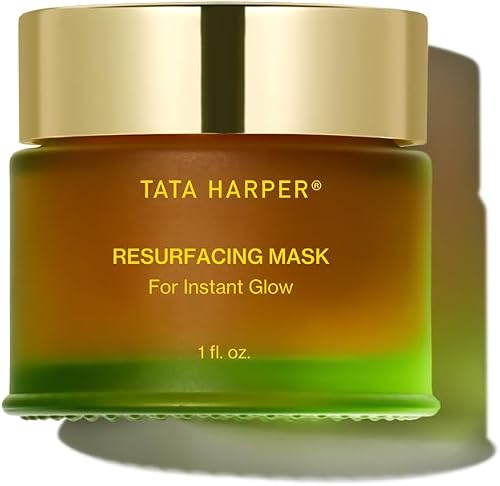
| Tata Harper Resurfacing | Smoothing chin bumps | BHA, pomegranate enzymes | Wash-off gel |
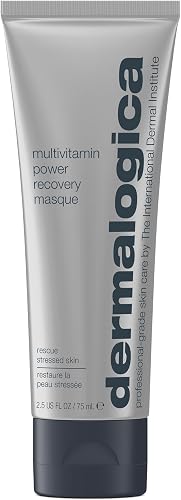
| Dermalogica Multivitamin | Redness recovery | Lactic acid, vitamin C, E | Cream masque |
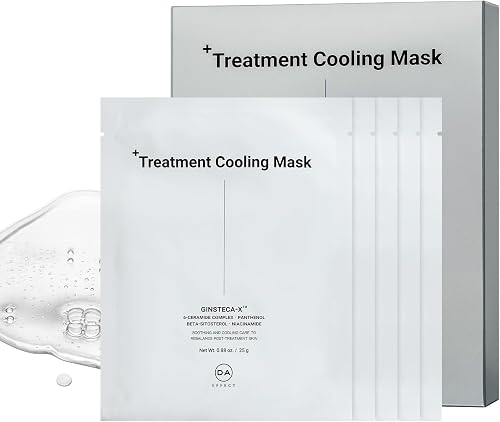
| DA EFFECT Cooling Treatment | Post-exfoliation calm | Cica, panthenol | Sheet mask |
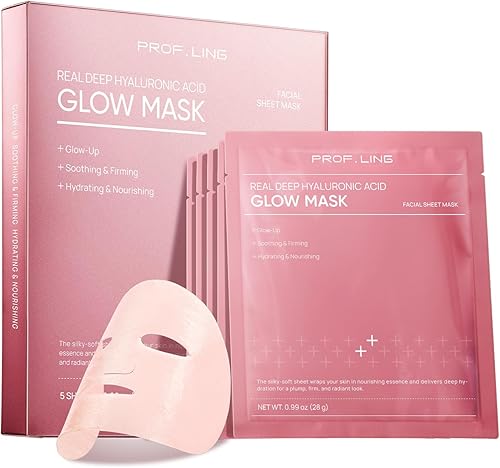
| PROF.LING Real Deep Glow | Dry, redness-prone cheeks | Hyaluronic acid, tranexamic acid | Bio-cellulose |
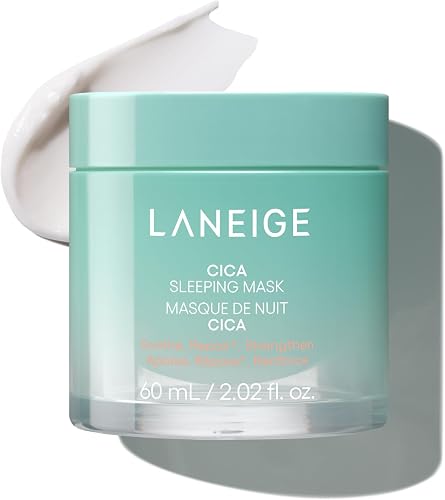
| LANEIGE Cica Sleeping | Overnight barrier repair | Centella, madecassoside | Sleep mask |
Top Treatment Masks to Pair After Polishing
Tata Harper Resurfacing Mask — The Gentle Exfoliation Follow-Up
If you want to compound the smoothing effect of the tatcha rice polish mask for keratosis pilaris on cheeks without overdoing it, the Tata Harper Resurfacing Mask is the most controlled BHA option for a face mask format. The pomegranate enzyme + beta hydroxy acid combination keeps loosening follicular plugs along the chin for the rest of the day, but the pink gel formula is gentle enough that it does not strip the barrier on already-pink cheek skin. Use it twice a week, never the same day as your rice polish, and you will see the chin smooth in three to four sessions. Check Tata Harper Resurfacing Mask on Amazon.
Dermalogica Multivitamin Power Recovery Masque — The Redness Soother
Facial KP often comes with a constant flushed undertone that no amount of foundation seems to cover. Dermalogica’s Multivitamin Power Recovery Masque pairs a low-percentage lactic acid with vitamins A, C, and E to even tone while reinforcing damaged barrier lipids. The cream texture is thick enough to apply just to the affected cheek and chin zones, leaving the rest of the face untouched, which is the technique most aestheticians prefer for spot-treating facial KP. Check Dermalogica Multivitamin Masque on Amazon.
DA EFFECT Cooling Treatment Sheet Mask — The Post-Exfoliation Reset
The fastest way to short-circuit the pink reaction that follows even gentle facial exfoliation is to apply a chilled, cica-rich sheet mask immediately after rinsing your rice polish. DA EFFECT designed this mask explicitly for post-treatment care after procedures like microneedling or laser, which makes it ideal for the irritation profile of facial KP. The hydrogel sits flush against the cheek hollows and the cooling sensation visibly drops surface redness within ten minutes. Keep a pack in the refrigerator for maximum effect. Check DA EFFECT Cooling Mask on Amazon.
PROF.LING Real Deep Glow Mask — The Bio-Cellulose Hydration Layer
For users whose facial KP is paired with dehydration patches and uneven discoloration (often the case in colder months), the PROF.LING Real Deep Glow mask is formulated specifically for redness-prone, dry skin. The blend of multi-weight hyaluronic acid and tranexamic acid floods the freshly polished follicle openings with humectants while gently fading the post-inflammatory pink that lingers after each bump heals. The bio-cellulose sheet adheres tightly enough to stay put while you sleep through a 30-minute treatment. Check PROF.LING Glow Mask on Amazon.
LANEIGE Cica Sleeping Mask — The Overnight Barrier Builder
The single biggest mistake users make with facial KP is exfoliating without rebuilding overnight. The LANEIGE Cica Sleeping Mask is the lowest-friction way to do that: a thin layer over your usual moisturizer locks in centella asiatica and madecassoside, both clinically proven to reinforce a compromised barrier. Apply it the same night you use your rice polish, and the bumps along the chin will look measurably less inflamed by morning. Check LANEIGE Cica Sleeping Mask on Amazon.
Building a Weekly Routine for Facial KP
A realistic weekly schedule looks like this: on Monday and Thursday evenings, use your tatcha rice polish mask for keratosis pilaris on cheeks as a 2-minute mask, rinse, then apply the chilled DA EFFECT sheet mask for ten minutes and finish with the LANEIGE Cica Sleeping Mask overnight. On Saturday, swap in the Tata Harper Resurfacing Mask instead of the rice polish for a deeper BHA hit, again following with cica overnight. The remaining four nights should be exclusively barrier work — ceramide moisturizer, PROF.LING bio-cellulose mask as needed, and zero actives.
Two weeks of this protocol typically produces visibly smoother cheek-to-chin transitions, less follicular redness in daylight, and noticeably easier foundation application. If you are layering a retinoid for other concerns, pause it for the first ten days to give the rice polish a fair trial; reintroducing it afterward should be at half your usual frequency. For more on how to schedule wash-off versus overnight treatments, our guide to using treatment masks walks through the timing logic in detail.
If you are weighing the rice polish line against other prestige enzymatic exfoliators, our Charlotte Tilbury vs Tatcha mask comparison breaks down the differences in particle size, enzyme concentration, and how each performs on bumpy skin. For broader brand context on the line itself, see our notes in the Tatcha Luminous Dewy Skin Mask review.
Frequently Asked Questions
Can the Tatcha rice polish be used daily on cheeks with keratosis pilaris?
Daily use is not recommended for facial KP. The cheek and chin skin is thinner and more vascular than body skin, and enzymatic exfoliation more than three times a week tends to push barrier-compromised follicles into a flare cycle. Twice weekly as a 2-minute mask, paired with intensive barrier repair on off-nights, produces the most consistent smoothing without triggering rebound redness.
Is rice polish enough on its own, or do I need a separate KP treatment?
For mild facial KP — a handful of bumps along the outer cheek with minimal redness — the rice polish used as a weekly mask is often enough when paired with daily ceramide moisturizer. For moderate cases with persistent pink flushing or visible plugs along the chin, you will need to layer a wash-off BHA mask such as Tata Harper Resurfacing one night a week, plus a nightly cica sleeping mask to rebuild barrier function between treatments.
Will Tatcha rice polish help with the red bumps along my jawline and chin?
Yes, the papain and rice bran enzymes specifically target the keratin plugs that create those red bumps. However, the redness component of facial KP responds more to anti-inflammatory ingredients like centella asiatica and tranexamic acid than to exfoliation. The most effective approach is to use the rice polish to physically clear the plugs, then immediately apply a calming mask to address the inflammation cycle that keeps the area looking pink even after the bumps soften.
What’s the difference between facial KP and regular bumpy skin?
True facial keratosis pilaris presents as tiny, uniform, skin-coloured to pink bumps clustered on the outer cheeks, chin, and sometimes temples, often with diffuse background redness. They feel like fine sandpaper and do not respond to spot treatments because they are not acne. Regular bumpy skin from clogged pores tends to be isolated, larger, sometimes with visible blackheads or whiteheads, and clears with salicylic acid. The two conditions can coexist, which is why a balanced enzyme-plus-BHA routine works better than either alone.
Can I use Tatcha rice polish if my cheeks are also rosacea-prone?
The rice polish is gentler than most physical exfoliants and is often tolerated by mildly rosacea-prone skin, but you should patch test on one cheek for a week before applying broadly. If you experience a stinging sensation that lasts more than thirty seconds, dilute the foam more heavily and shorten contact time to one minute. Skip exfoliation entirely during an active rosacea flare and focus on barrier-building masks instead.
How long until I see smoother cheeks and chin?
Most users notice softer texture and reduced bump density within two weeks of twice-weekly use, paired with overnight barrier care. Full visible improvement — a flatter, more even surface and reduced background redness — typically takes six to eight weeks. Facial KP is a chronic condition driven by follicular keratinization, so maintenance is permanent; stopping the routine usually means bumps return within three to four weeks.
Should I moisturize before or after the rice polish mask?
Always after. Applying moisturizer beforehand creates a film that blocks the enzymes from reaching the keratin plugs, which defeats the point of the mask. The correct sequence is: cleanse, apply rice polish as a mask for two to three minutes, rinse with lukewarm water, immediately apply a calming sheet mask or essence, then seal with your barrier moisturizer or overnight cica sleeping mask. Skipping the post-mask hydration step is the single most common reason users see redness without seeing smoothing results.
Key Takeaways
- Choosing the right tatcha rice polish mask for keratosis pilaris on cheeks means matching capacity and output ports to your actual devices
- Always check actual watt-hours (Wh), not just watts — runtime depends on Wh, not peak output
- Also covers: tatcha rice enzyme mask KP face
- Also covers: tatcha exfoliating mask for bumpy cheeks
- Also covers: luxury mask for keratosis pilaris facial
- Compare price-per-Wh across models to find the best value for your budget