Motorcycle riders dealing with persistent breakouts along the jawline, chin, and cheek edges where helmet straps make contact know that ordinary acne products rarely cut through the combination of sweat, friction, and trapped sebum. The glamglow supermud mask motorcycle riders helmet strap acne treatment combines activated charcoal, kaolin clay, and a six-acid blend to draw out impurities, dissolve dead skin around chinstrap zones, and calm post-ride inflammation in a single ten-minute session. This 2026 guide explains why Supermud works for riders, how to layer it with hydrating recovery masks, and which complementary products refine pores in the precise areas where helmet straps cause repeated breakouts.
Why Helmet Strap Acne Is a Distinct Skin Problem
Helmet strap acne, sometimes called acne mechanica, is not the same as classic hormonal or congestion acne. It develops when three forces converge on a small zone of skin: pressure from a tightened chinstrap, friction as the head turns and the helmet shifts, and an occlusive sweat layer that traps bacteria against the follicle. Add ambient road grit and the heat that builds inside a full-face shell, and the under-jaw becomes a perfect petri dish. Most riders notice flares after a long touring day, after track sessions, or during the humid months when the chin pad is permanently damp.
Because the trigger is mechanical, topical antibiotics alone rarely solve it. The skin needs to be physically decongested, the dead-cell buildup gently dissolved, and the barrier rebuilt before the next ride. A purifying clay treatment used two or three nights a week is the cornerstone of that routine, which is why so many touring riders, commuters, and racing instructors have built their post-ride skincare around a single jar of Glamglow Supermud.
Why Glamglow Supermud Works for Riders Specifically
Supermud was originally formulated for backstage prep on dull, congested complexions, but its ingredient stack maps almost perfectly onto the helmet-strap problem. Activated charcoal binds to the oil-and-sebum mix that chinstraps grind into pores. Kaolin and bentonite clays absorb the moisture that turns chin pads into bacterial reservoirs. The six-acid blend — glycolic, salicylic, lactic, mandelic, pyruvic, and tartaric — exfoliates the keratin plugs that mechanical friction continually rebuilds along the jawline.
The result the glamglow supermud mask motorcycle riders helmet strap acne community reports most consistently is a faster fade on existing whiteheads, a visible reduction in the gritty bumps along the chinstrap contact zone, and clearer skin tone within two to three weeks of consistent post-ride use. It is not a one-and-done cure, but it is the closest a single product comes to addressing the specific congestion pattern of helmet-related breakouts.
How Riders Should Use Supermud After a Long Day
Apply Supermud only on freshly washed skin, ideally within thirty minutes of removing the helmet so trapped sweat does not have time to dry into the pores. Use a thin, even layer focused on the chin, jaw perimeter, and the strip of cheek where the strap rides. Avoid the eye and lip area. The mask will start to lighten and visibly push debris to the surface as it dries — that’s working. Leave it on for ten to fifteen minutes, then rinse with lukewarm water using gentle circular motions to double as a polish.
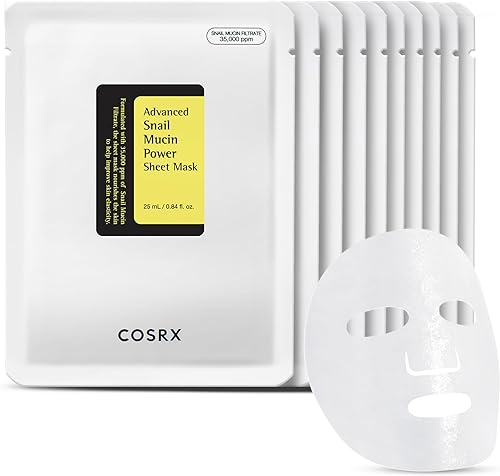
Follow with a calming, hydrating treatment immediately. Clay masks can leave the barrier briefly compromised, and a rider who jumps straight to a strong actives serum will often trigger more irritation. A snail mucin sheet mask, a centella overnight gel, or a fragrance-free repair cream all work. For the rotation pattern, two nights a week during normal riding and three nights a week during heavy-mileage seasons is the sweet spot most touring riders settle on.
Comparison Table: Clay and Mud Masks for Helmet Strap Acne
| Mask | Active Decongestant | Best For | Size / Value |
|---|---|---|---|
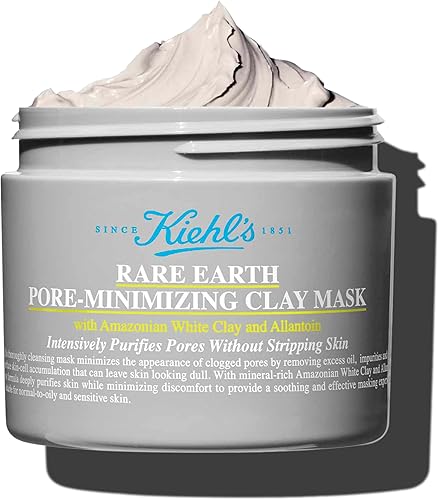
| Kiehl’s Rare Earth Pore Minimizing Clay | Amazonian white clay + bentonite | Daily commuters with visible pores | Premium / mid-size jar |
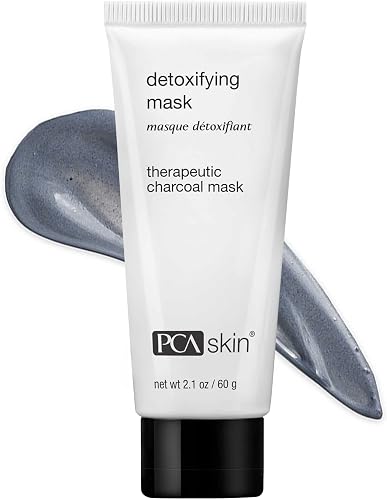
| PCA SKIN Detoxifying Mask | Charcoal + kaolin | Clinical-grade weekly detox | 2.1 oz |
| New York Biology Dead Sea Mud | Dead Sea mineral mud | Riders who need face + body coverage | 8.8 oz, high value |
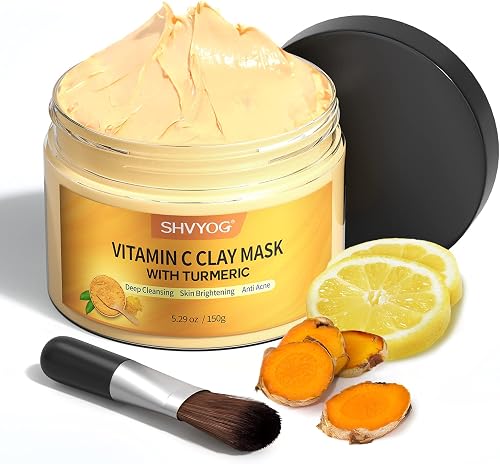
| SHVYOG Turmeric Vitamin C Clay | Kaolin + turmeric + vitamin C | Brightening dark marks left by chinstrap breakouts | 5.29 oz, budget |
| Innisfree Super Volcanic Clay | Jeju volcanic ash | Oily-skin riders in humid climates | Mid-size, refillable |
Product Picks to Pair With or Rotate Around Supermud
Kiehl’s Rare Earth Pore Minimizing Clay Face Mask
If your helmet strap zone is more about enlarged pores and persistent shine than active pimples, Kiehl’s Rare Earth is the smartest rotation partner for Supermud. Amazonian white clay is gentler than Supermud’s acid blend, so you can alternate them on consecutive nights without over-stripping the chinstrap area. Riders with combination skin and visible pores along the cheek-strap contact line tend to land on this as their non-treatment night clay.
View on Amazon
PCA SKIN Detoxifying Skin Care Face Mask
For riders who already use clinical-grade actives — retinoids, prescription topicals, or in-office peels — PCA SKIN’s charcoal-and-kaolin formula offers a more measured detox that plays nicely with stronger routines. It is a smaller jar at a higher per-ounce price, but the deep-cleansing pass it does on chinstrap congestion without compromising sensitive skin makes it the pick for riders whose dermatologist already has them on a treatment plan.
View on Amazon
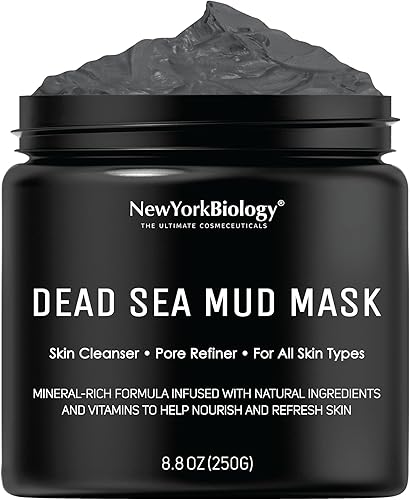
New York Biology Dead Sea Mud Mask
The 8.8 oz jar means you can mask the chinstrap zone and the upper back at the same time — useful for sport-bike riders who also break out under leather suits and back protectors. Dead Sea mineral mud is meaningfully different from kaolin: it pulls more aggressively on shoulder and back acne while staying tolerable on the face. Pair it with Supermud on the jawline and use Dead Sea mud on the body for a complete post-ride detox.
View on Amazon
SHVYOG Turmeric Vitamin C Clay Mask
Helmet strap acne tends to leave behind brown post-inflammatory marks along the jaw that linger for months after the active pimple clears. SHVYOG’s turmeric and vitamin C clay formula is the budget-friendly choice for tackling those dark spots while still delivering a baseline kaolin-clay detox. Riders use this as a weekly brightening session in between Supermud detox nights, and it carries well in a tank bag for road trips.
View on Amazon
COSRX Snail Mucin Sheet Mask (Recovery)
Aggressive clay masking without aggressive hydration is the fastest way to wreck a rider’s barrier. Snail mucin sheet masks calm the chin and jaw after Supermud, deliver targeted moisture into freshly cleared pores, and shorten the redness window so you can wear a fresh helmet the next morning without flare-up. Keep a 10-pack in the bathroom and use one on every Supermud night without exception.
View on Amazon
Building the Complete Rider Routine Around Supermud
The most effective riders treat skincare like preventive maintenance, not damage control. The morning before a long ride, cleanse with a gentle non-foaming wash and apply a lightweight, non-comedogenic moisturizer with niacinamide. Avoid heavy occlusives that will trap helmet heat against the skin. Pack a few alcohol-free cleansing wipes for stop-and-go on tour days so you can quickly clear sweat at fuel stops.
The night of the ride, your sequence is double cleanse Supermud for 10–15 minutes rinse snail mucin sheet mask for 20 minutes barrier cream. On non-ride nights, drop Supermud and substitute a gentler clay like Kiehl’s Rare Earth, or skip clay entirely and run a hydrating sheet mask. The most common rider mistake is masking too aggressively — three Supermud sessions a week is the absolute ceiling for most skin types.
Helmet hygiene matters as much as skincare. Wash removable liners weekly during riding season, swap or wash chin curtains every two weeks, and consider a thin moisture-wicking balaclava on the hottest days so sweat lifts away from the strap contact zone. If you commute daily, alternate two helmets so each one has time to fully dry between uses. None of this replaces the glamglow supermud mask motorcycle riders helmet strap acne routine, but it dramatically reduces the rebound rate between treatments.
When to Escalate Beyond At-Home Masking
If you have followed a disciplined clay-and-recovery rotation for eight weeks and still see deep, painful cysts forming under the strap line, it is time to consult a dermatologist. Supermud is a powerful surface treatment, but mechanical acne that has progressed into the dermis often needs prescription topicals or short-course oral therapy to break the cycle. The mask remains useful as adjunctive care during that treatment, just at a reduced frequency.
For more context on selecting masks tuned to breakout-prone skin, see our guide to luxury face masks for acne-prone skin, which covers ingredient logic across hydrators, exfoliants, and detox formulas. Riders with mixed concerns — say, combined fine lines and helmet acne — will also benefit from our overview of the difference between clay and gel face masks so the weekly rotation does not strip the barrier. A closely related read for younger riders is the Glamglow Supermud guide for teen athletes dealing with helmet and sports mask acne.
Frequently Asked Questions
How often can a daily motorcycle commuter use Glamglow Supermud on the chin and jaw?
Two to three times per week is the sustainable maximum, even for daily riders. The six-acid blend in Supermud will continue to exfoliate residually for 24–48 hours after use, so daily masking will quickly compromise the barrier and paradoxically increase strap-zone redness. If you ride every day, alternate Supermud nights with hydrating sheet masks and reserve clay for the most heavily congested evenings.
Will Glamglow Supermud help with the dark marks left behind by helmet strap pimples?
Partially. The acid blend gradually fades superficial post-inflammatory marks, but deeper hyperpigmentation responds faster to dedicated brightening masks with vitamin C, niacinamide, or tranexamic acid. Pair Supermud detox nights with a weekly turmeric-vitamin C clay session, and add a daily niacinamide serum under sunscreen for compounding results.
Is Supermud safe to use on sweat rash along the chinstrap line instead of true acne?
If the irritation is true heat rash or contact dermatitis rather than acne mechanica, Supermud is not the right tool — its acids will sting and worsen inflammation. Use a calming centella or cica overnight mask for a week, identify whether the redness is friction-only or contains comedones, and only return to clay treatments once active inflammation has settled.
Can riders with sensitive skin still use Supermud, or is it too aggressive?
Sensitive-skin riders can use Supermud, but with two adjustments: thinner application layer and a shorter contact time of five to seven minutes instead of the full fifteen. Always follow with a barrier-rebuilding sheet mask. If you sting within the first minute, rinse early — that is the formula telling you to dial back exposure, not pushback you should push through.
What about under-helmet acne on the forehead from the brow pad?
Forehead congestion from the brow pad responds to the same protocol as chinstrap acne — Supermud two nights a week, snail mucin recovery, and barrier care. The bigger upstream fix is cleaning the brow pad weekly and switching to a moisture-wicking helmet liner. Persistent forehead bumps that do not respond to four weeks of treatment may indicate fungal acne, which clay will not solve and which needs a different antifungal approach.
Should I mask before a long ride or only after?
Only after. A clay detox before a ride leaves the pores temporarily more vulnerable to fresh sweat and friction, which is the opposite of what you want before strapping a helmet on. Save Supermud for the evening after the ride, when the skin has time to recover overnight before the next session in the saddle.
Does Supermud work for full-face helmet acne along the cheek pads, not just chin straps?
Yes. Cheek-pad acne follows the same mechanical-acne pattern as chinstrap acne, just shifted higher. Apply Supermud across the cheek contact zone in the same thin layer, and pay extra attention to cleaning the cheek pads, which collect more sebum than chin pads on most helmets. Riders who experience both should not split the routine — treat the whole helmet contact perimeter in a single session.
Key Takeaways
- Choosing the right glamglow supermud mask motorcycle riders helmet strap acne means matching capacity and output ports to your actual devices
- Always check actual watt-hours (Wh), not just watts — runtime depends on Wh, not peak output
- Also covers: glamglow for motorcyclist chin acne
- Also covers: helmet acne mask treatment
- Also covers: mask for biker friction breakouts
- Compare price-per-Wh across models to find the best value for your budget